

GIVE THE PERFECT GIFT
Erin Mills Town Centre Gift Cards are the perfect choice for your gift giving needs.Purchase gift cards at kiosks near the food court or centre court, at Guest Services, or click below to purchase online.PURCHASE HEREHome
Household Servants Early Modern Domestic Tragedy
Indigo
Loading Inventory...
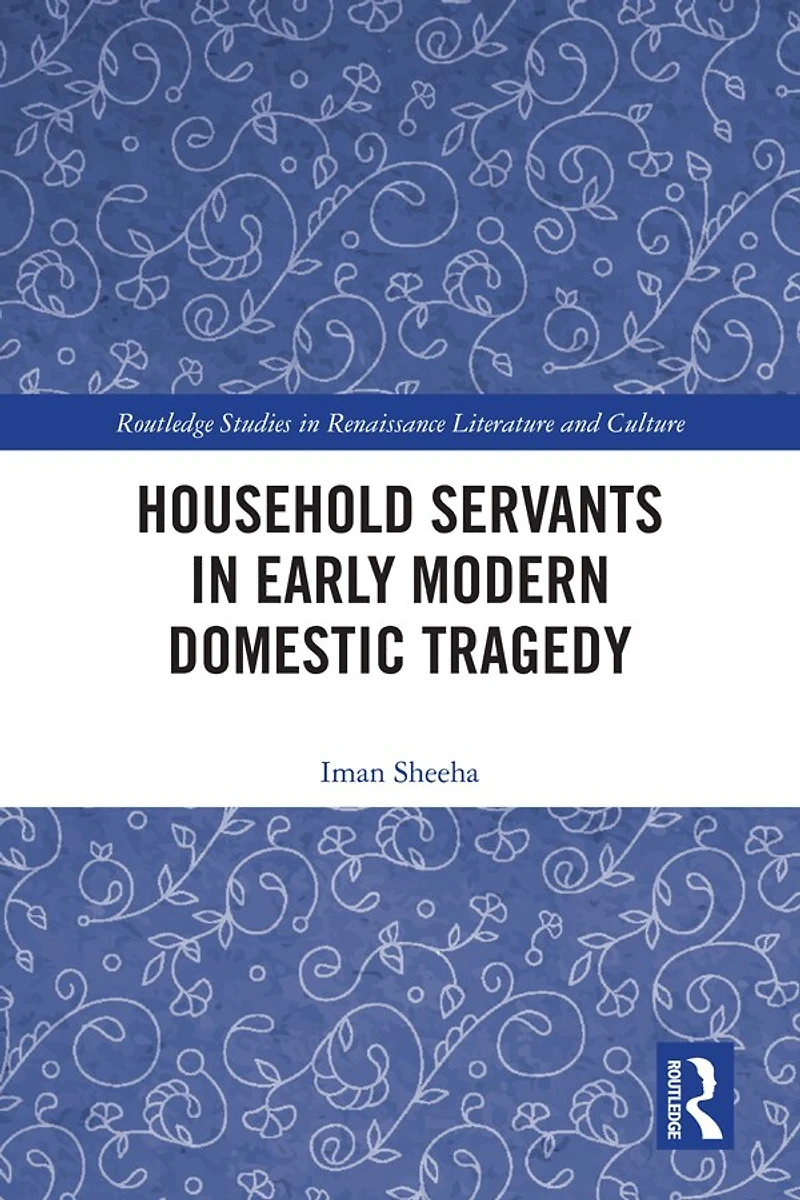
Household Servants Early Modern Domestic Tragedy
Current price: $296.50

Household Servants Early Modern Domestic Tragedy
Current price: $296.50
Loading Inventory...
Size: Hardcover
*Product information may vary - to confirm product availability, pricing, shipping and return information please contact Indigo
Household Servants in Early Modern Domestic Tragedy considerably advances existing scholarship on the institution of service in early modern culture and as represented on the early modern stage. With its focus on the homes of the middling sorts, to whom the protagonists of domestic tragedy belong, the book expands our understanding of employer-servant relationships beyond elite and aristocratic circles, the focus of previous studies. Drawing on early modern advice literature, household guides, domestic manuals, sermons, treatises, proverbs, mothers' legacies, funeral sermons, diaries, letters, and jest books as well as making use of the recent findings by social and cultural historians of early modern England, the book examines the consequences of disordered domesticity for the master-servant relationship. This study nuances the picture of domestic servants constructed by both early modern moralists and modern scholarship, arguing against overarching, reductive narratives. The book argues that the experience of household service as depicted in domestic tragedy, like in real life, was complex and varied and that there was no typical experience of service.
Household Servants in Early Modern Domestic Tragedy considerably advances existing scholarship on the institution of service in early modern culture and as represented on the early modern stage. With its focus on the homes of the middling sorts, to whom the protagonists of domestic tragedy belong, the book expands our understanding of employer-servant relationships beyond elite and aristocratic circles, the focus of previous studies. Drawing on early modern advice literature, household guides, domestic manuals, sermons, treatises, proverbs, mothers' legacies, funeral sermons, diaries, letters, and jest books as well as making use of the recent findings by social and cultural historians of early modern England, the book examines the consequences of disordered domesticity for the master-servant relationship. This study nuances the picture of domestic servants constructed by both early modern moralists and modern scholarship, arguing against overarching, reductive narratives. The book argues that the experience of household service as depicted in domestic tragedy, like in real life, was complex and varied and that there was no typical experience of service.
You May Also Like









More About Indigo at Erin Mills Town Centre
The largest book retailer in Canada also offers toys, music, home décor, gifts and lifestyle products. What's Inside...Books, Magazines, CD’s and DVD’s, Toys and Gifts, Home Accents, Electronics, Baby’s and Children’s Section, Bath and Body, Kitchen and Bedroom, Stationary Located outside in the exterior plaza.
5015 Glen Erin Dr, Mississauga, ON L5M 0R7, Canada
Find Indigo at Erin Mills Town Centre in Mississauga ON
Visit Indigo at Erin Mills Town Centre in Mississauga ON