

GIVE THE PERFECT GIFT
Erin Mills Town Centre Gift Cards are the perfect choice for your gift giving needs.Purchase gift cards at kiosks near the food court or centre court, at Guest Services, or click below to purchase online.PURCHASE HEREHome
How Parents Deal with The Education of Their Child on Autism Spectrum: Stories and Research They Don't Won't Tell You
Indigo
Loading Inventory...
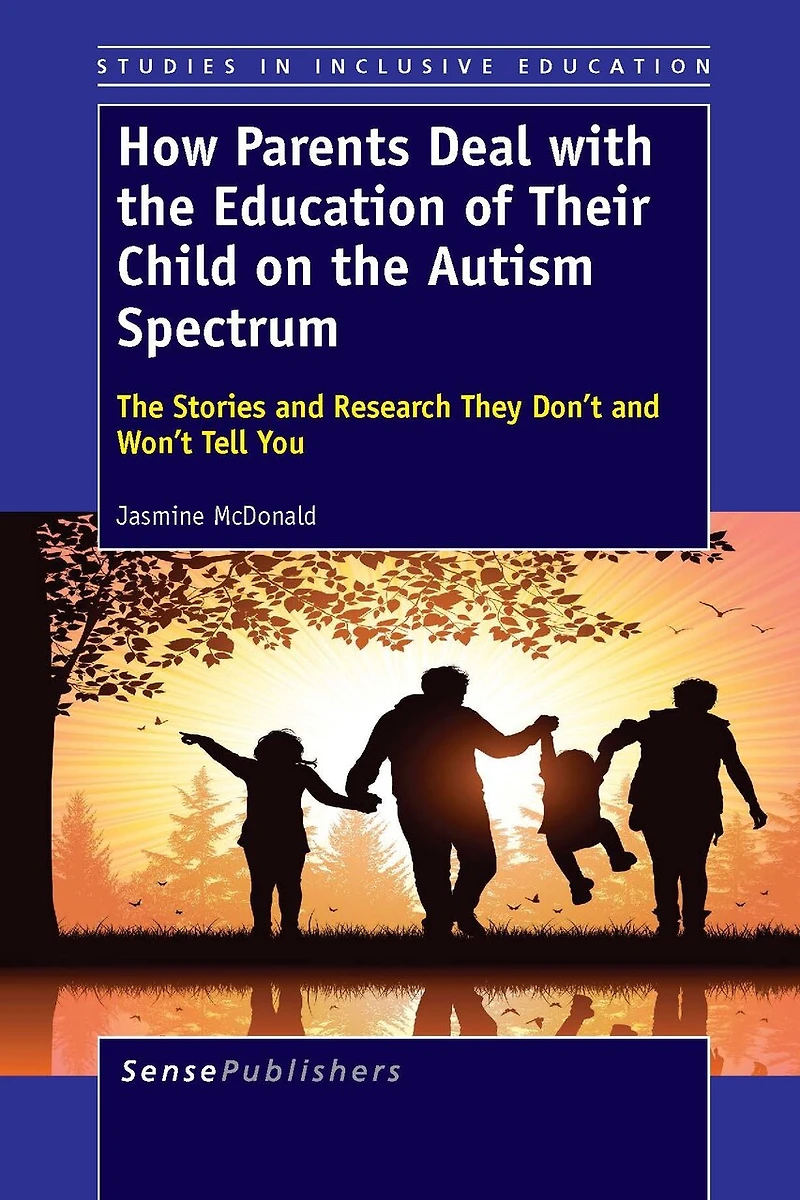
How Parents Deal with The Education of Their Child on Autism Spectrum: Stories and Research They Don't Won't Tell You
Current price: $146.99

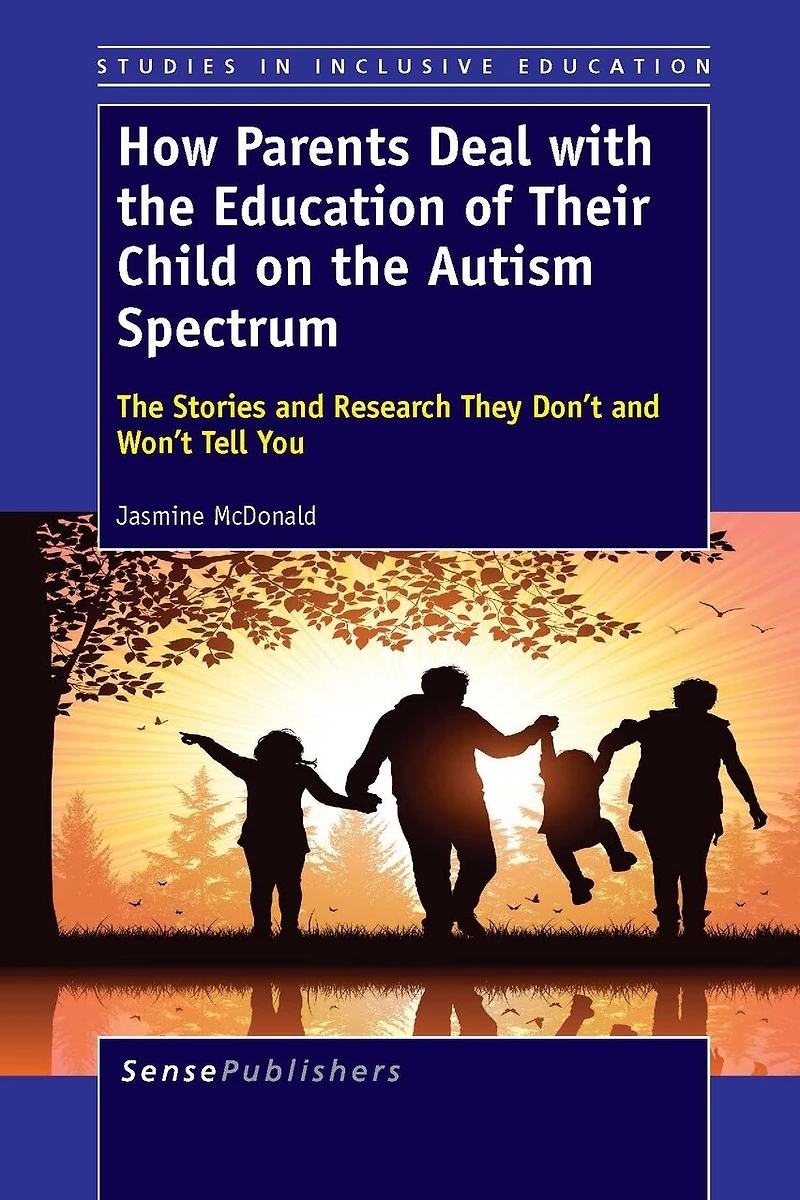
How Parents Deal with The Education of Their Child on Autism Spectrum: Stories and Research They Don't Won't Tell You
Current price: $146.99
Loading Inventory...
Size: Hardcover
*Product information may vary - to confirm product availability, pricing, shipping and return information please contact Indigo
Powerful moral, social justice and political arguments have convinced parents that it is their democratic right to place their children on the autism spectrum into mainstream educational environments so that their children may eventually take up their rightful place in a mainstream adult life. But what is really happening for some of these parents when they try to gain and maintain an appropriate education for their child in these mainstream contexts and beyond? What is the educational experience like for these families who are in the midst of this generational change from historical exclusion to inclusion? Current research indicates that while islands of excellent mainstream inclusive practice do exist the educational experience for many students on the autism spectrum can often be one of hostility, inconsistency and unreliability. Without appropriate understanding of best practice educational methods, these students can present an inordinate educational challenge to both parents and educators alike. How do parents deal with such complex educational profiles? How do they continue to maximize their children’s development over time? What are the barriers that hinder their quest? What are the facilitators that help their quest? To answer these questions, this book provides an in-depth, recent examination of the real life journeys of families who attempted to gain an appropriate education for their children on the autism spectrum including the areas of diagnosis, early intervention, mainstream schooling, home education, segregated schooling and transition to work and further study.
Powerful moral, social justice and political arguments have convinced parents that it is their democratic right to place their children on the autism spectrum into mainstream educational environments so that their children may eventually take up their rightful place in a mainstream adult life. But what is really happening for some of these parents when they try to gain and maintain an appropriate education for their child in these mainstream contexts and beyond? What is the educational experience like for these families who are in the midst of this generational change from historical exclusion to inclusion? Current research indicates that while islands of excellent mainstream inclusive practice do exist the educational experience for many students on the autism spectrum can often be one of hostility, inconsistency and unreliability. Without appropriate understanding of best practice educational methods, these students can present an inordinate educational challenge to both parents and educators alike. How do parents deal with such complex educational profiles? How do they continue to maximize their children’s development over time? What are the barriers that hinder their quest? What are the facilitators that help their quest? To answer these questions, this book provides an in-depth, recent examination of the real life journeys of families who attempted to gain an appropriate education for their children on the autism spectrum including the areas of diagnosis, early intervention, mainstream schooling, home education, segregated schooling and transition to work and further study.
You May Also Like










More About Indigo at Erin Mills Town Centre
The largest book retailer in Canada also offers toys, music, home décor, gifts and lifestyle products. What's Inside...Books, Magazines, CD’s and DVD’s, Toys and Gifts, Home Accents, Electronics, Baby’s and Children’s Section, Bath and Body, Kitchen and Bedroom, Stationary Located outside in the exterior plaza.
5015 Glen Erin Dr, Mississauga, ON L5M 0R7, Canada
Find Indigo at Erin Mills Town Centre in Mississauga ON
Visit Indigo at Erin Mills Town Centre in Mississauga ON