

GIVE THE PERFECT GIFT
Erin Mills Town Centre Gift Cards are the perfect choice for your gift giving needs.Purchase gift cards at kiosks near the food court or centre court, at Guest Services, or click below to purchase online.PURCHASE HEREHome
How Shakespeare Inspires Empathy Clinical Care
Indigo
Loading Inventory...
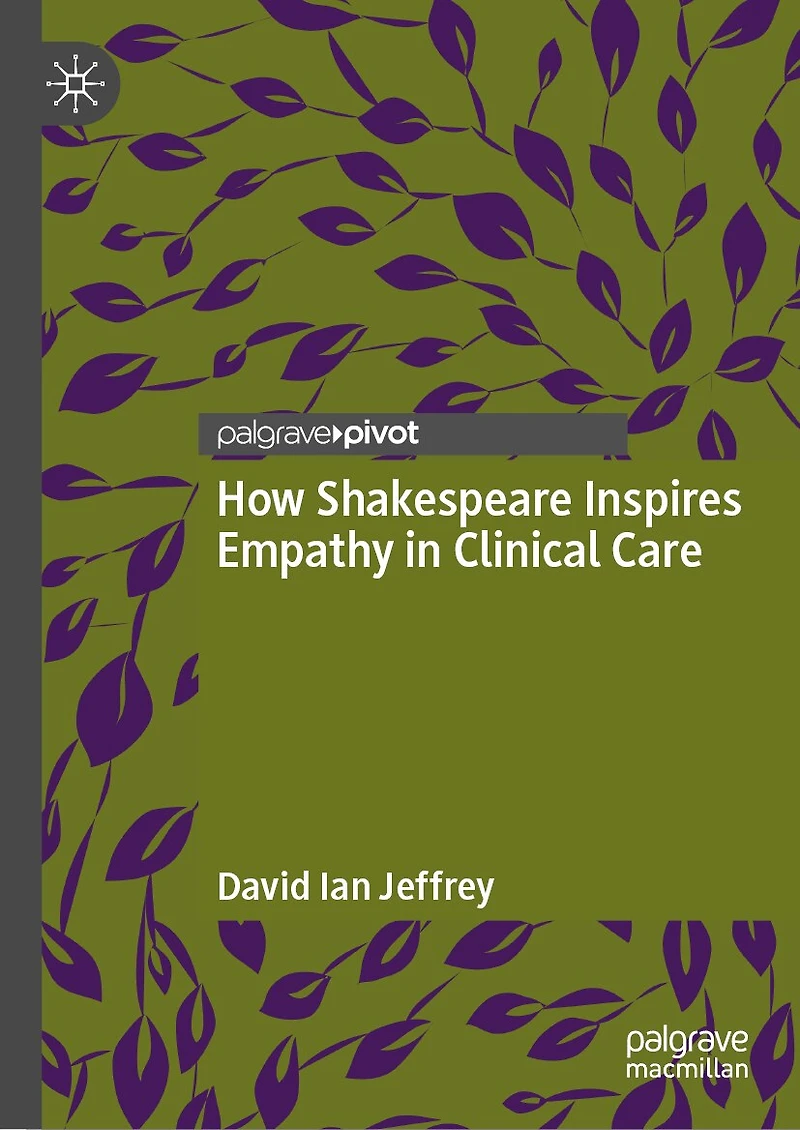
How Shakespeare Inspires Empathy Clinical Care
Current price: $72.95

How Shakespeare Inspires Empathy Clinical Care
Current price: $72.95
Loading Inventory...
Size: Hardcover
*Product information may vary - to confirm product availability, pricing, shipping and return information please contact Indigo
This book investigates how a study of Shakespeare's plays may enhance empathy in doctors, nurses, and other healthcare professionals. Addressing the widely perceived empathy gap in teaching and medical practice that emerged after the Covid-19 pandemic, the book presents a new study into the psychosocial elements of human interactions. It offers invaluable insights into how students and practitioners may be supported in dealing appropriately with their emotions as well as with those of their patients, thereby facilitating more humane medical care. Fostering an empathic patient-doctor relationship, the author explores the emotional, cognitive and moral dimensions of care and describes how Shakespeare studies can be realistically incorporated into the medical curriculum through group reflections, workshops and special study modules.
This book investigates how a study of Shakespeare's plays may enhance empathy in doctors, nurses, and other healthcare professionals. Addressing the widely perceived empathy gap in teaching and medical practice that emerged after the Covid-19 pandemic, the book presents a new study into the psychosocial elements of human interactions. It offers invaluable insights into how students and practitioners may be supported in dealing appropriately with their emotions as well as with those of their patients, thereby facilitating more humane medical care. Fostering an empathic patient-doctor relationship, the author explores the emotional, cognitive and moral dimensions of care and describes how Shakespeare studies can be realistically incorporated into the medical curriculum through group reflections, workshops and special study modules.
You May Also Like
















More About Indigo at Erin Mills Town Centre
The largest book retailer in Canada also offers toys, music, home décor, gifts and lifestyle products. What's Inside...Books, Magazines, CD’s and DVD’s, Toys and Gifts, Home Accents, Electronics, Baby’s and Children’s Section, Bath and Body, Kitchen and Bedroom, Stationary Located outside in the exterior plaza.
5015 Glen Erin Dr, Mississauga, ON L5M 0R7, Canada
Find Indigo at Erin Mills Town Centre in Mississauga ON
Visit Indigo at Erin Mills Town Centre in Mississauga ON