

GIVE THE PERFECT GIFT
Erin Mills Town Centre Gift Cards are the perfect choice for your gift giving needs.Purchase gift cards at kiosks near the food court or centre court, at Guest Services, or click below to purchase online.PURCHASE HEREHome
How States Think: The Rationality of Foreign Policy
Indigo
Loading Inventory...
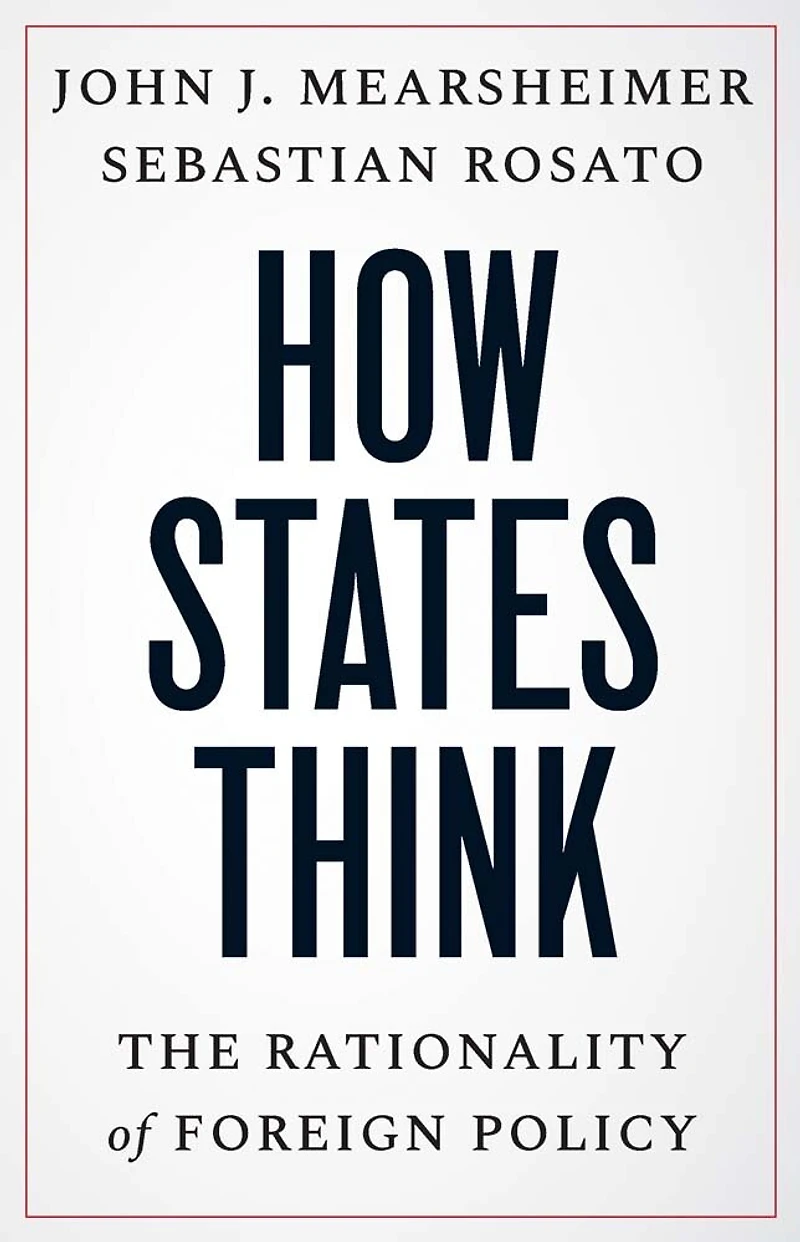
How States Think: The Rationality of Foreign Policy
Current price: $39.00

How States Think: The Rationality of Foreign Policy
Current price: $39.00
Loading Inventory...
Size: Hardcover
*Product information may vary - to confirm product availability, pricing, shipping and return information please contact Indigo
A groundbreaking examination of a central question in international relations: Do states act rationally?
To understand world politics, you need to understand how states think. Are states rational? Much of international relations theory assumes that they are. But many scholars believe that political leaders rarely act rationally. The issue is crucial for both the study and practice of international politics, for only if states are rational can scholars and policymakers understand and predict their behavior.
John J. Mearsheimer and Sebastian Rosato argue that rational decisions in international politics rest on credible theories about how the world works and emerge from deliberative decision‑making processes. Using these criteria, they conclude that most states are rational most of the time, even if they are not always successful. Mearsheimer and Rosato make the case for their position, examining whether past and present world leaders, including George W. Bush and Vladimir Putin, have acted rationally in the context of momentous historical events, including both world wars, the Cold War, and the post–Cold War era.
By examining this fundamental concept in a novel and comprehensive manner, Mearsheimer and Rosato show how leaders think, and how to make policy for dealing with other states.
A groundbreaking examination of a central question in international relations: Do states act rationally?
To understand world politics, you need to understand how states think. Are states rational? Much of international relations theory assumes that they are. But many scholars believe that political leaders rarely act rationally. The issue is crucial for both the study and practice of international politics, for only if states are rational can scholars and policymakers understand and predict their behavior.
John J. Mearsheimer and Sebastian Rosato argue that rational decisions in international politics rest on credible theories about how the world works and emerge from deliberative decision‑making processes. Using these criteria, they conclude that most states are rational most of the time, even if they are not always successful. Mearsheimer and Rosato make the case for their position, examining whether past and present world leaders, including George W. Bush and Vladimir Putin, have acted rationally in the context of momentous historical events, including both world wars, the Cold War, and the post–Cold War era.
By examining this fundamental concept in a novel and comprehensive manner, Mearsheimer and Rosato show how leaders think, and how to make policy for dealing with other states.
You May Also Like







More About Indigo at Erin Mills Town Centre
The largest book retailer in Canada also offers toys, music, home décor, gifts and lifestyle products. What's Inside...Books, Magazines, CD’s and DVD’s, Toys and Gifts, Home Accents, Electronics, Baby’s and Children’s Section, Bath and Body, Kitchen and Bedroom, Stationary Located outside in the exterior plaza.
5015 Glen Erin Dr, Mississauga, ON L5M 0R7, Canada
Find Indigo at Erin Mills Town Centre in Mississauga ON
Visit Indigo at Erin Mills Town Centre in Mississauga ON