

GIVE THE PERFECT GIFT
Erin Mills Town Centre Gift Cards are the perfect choice for your gift giving needs.Purchase gift cards at kiosks near the food court or centre court, at Guest Services, or click below to purchase online.PURCHASE HEREHome
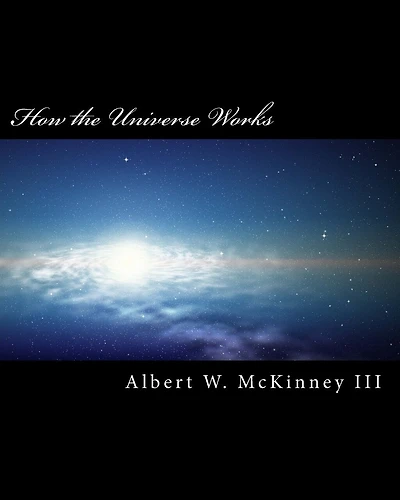
How the Universe Operates: A Metaphysical Analysis
Indigo
Loading Inventory...
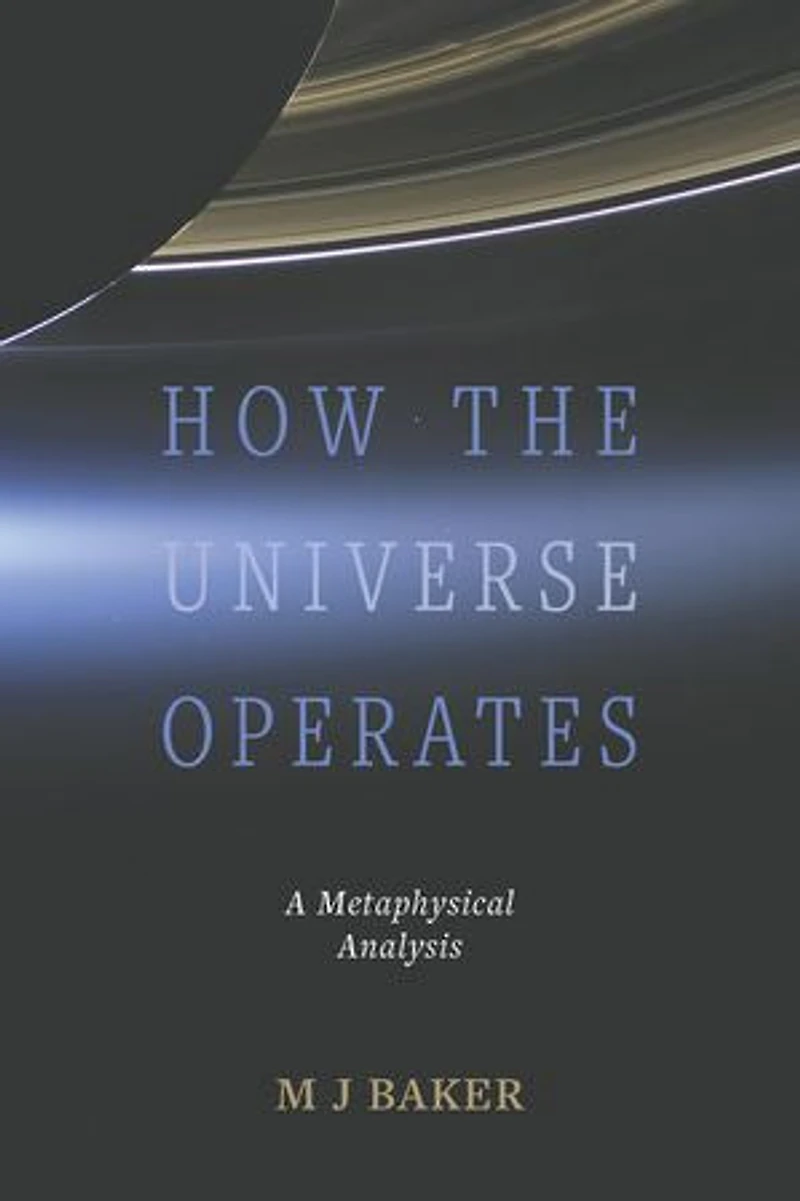
How the Universe Operates: A Metaphysical Analysis
Current price: $6.16

How the Universe Operates: A Metaphysical Analysis
Current price: $6.16
Loading Inventory...
Size: Kobo eBook
*Product information may vary - to confirm product availability, pricing, shipping and return information please contact Indigo
Why do the heavenly bodies behave in a contrary fashion to what we are familiar with on earth? Before a wheel can turn, we must ensure rim is joined to axle; before a couple can dance in circle, their hands must be joined. In contrast, the planets circle the sun and the moons circle the planets without any securing mechanism, and so precisely that their movements can be predicted to a millisecond. Again, why is it that, released from the effects of gravity, emollient matter like water or molten lead forms spontaneously into tiny globes, copying the form found in stars, planets and the sun? Are the tides satisfactorily explained by the thesis of gravitational 'pull' of moon and sun? If so, why does modern science have such difficulty reconciling the relative influences of these two bodies? What sort of reality is light, and why is the speed of light fixed and not infinite, at least in space? Answers to these and other questions may be found through recourse to the philosophy of Aristotle. The thinkers of the Enlightenment chose to discard Aristotle's limited natural science. That was understandable. But they chose to discard his philosophy as well. This was unwise, as fresh study of Aristotle's thinking will show.
Why do the heavenly bodies behave in a contrary fashion to what we are familiar with on earth? Before a wheel can turn, we must ensure rim is joined to axle; before a couple can dance in circle, their hands must be joined. In contrast, the planets circle the sun and the moons circle the planets without any securing mechanism, and so precisely that their movements can be predicted to a millisecond. Again, why is it that, released from the effects of gravity, emollient matter like water or molten lead forms spontaneously into tiny globes, copying the form found in stars, planets and the sun? Are the tides satisfactorily explained by the thesis of gravitational 'pull' of moon and sun? If so, why does modern science have such difficulty reconciling the relative influences of these two bodies? What sort of reality is light, and why is the speed of light fixed and not infinite, at least in space? Answers to these and other questions may be found through recourse to the philosophy of Aristotle. The thinkers of the Enlightenment chose to discard Aristotle's limited natural science. That was understandable. But they chose to discard his philosophy as well. This was unwise, as fresh study of Aristotle's thinking will show.
You May Also Like









More About Indigo at Erin Mills Town Centre
The largest book retailer in Canada also offers toys, music, home décor, gifts and lifestyle products. What's Inside...Books, Magazines, CD’s and DVD’s, Toys and Gifts, Home Accents, Electronics, Baby’s and Children’s Section, Bath and Body, Kitchen and Bedroom, Stationary Located outside in the exterior plaza.
5015 Glen Erin Dr, Mississauga, ON L5M 0R7, Canada
Find Indigo at Erin Mills Town Centre in Mississauga ON
Visit Indigo at Erin Mills Town Centre in Mississauga ON