

GIVE THE PERFECT GIFT
Erin Mills Town Centre Gift Cards are the perfect choice for your gift giving needs.Purchase gift cards at kiosks near the food court or centre court, at Guest Services, or click below to purchase online.PURCHASE HEREHome
How to Tell When We Will Die: On Pain, Disability, and Doom
Indigo
Loading Inventory...
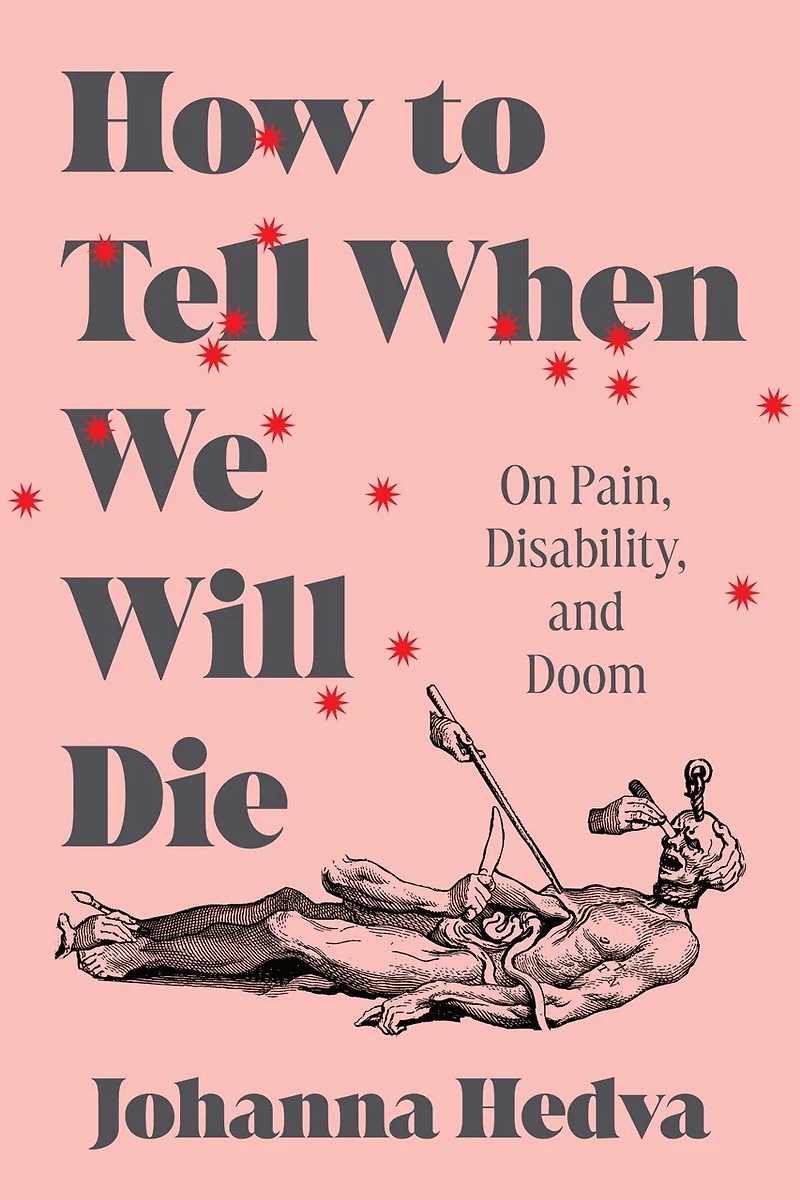
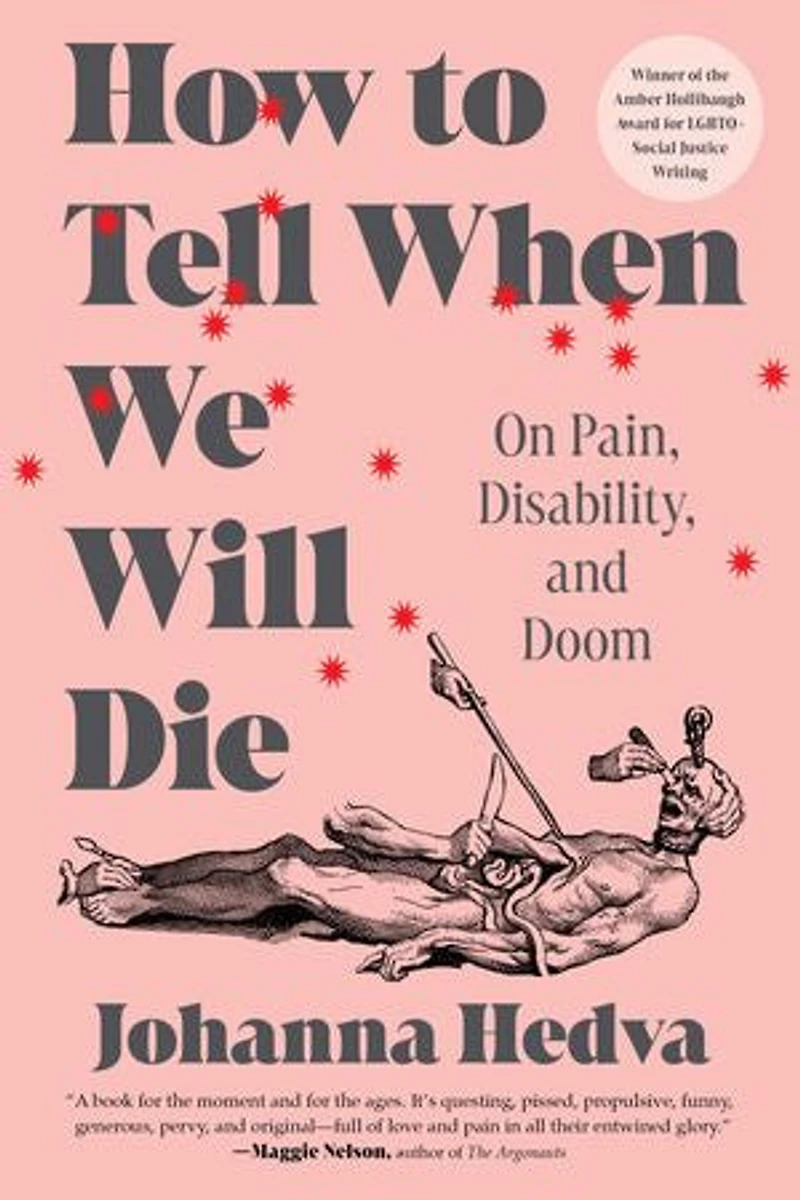
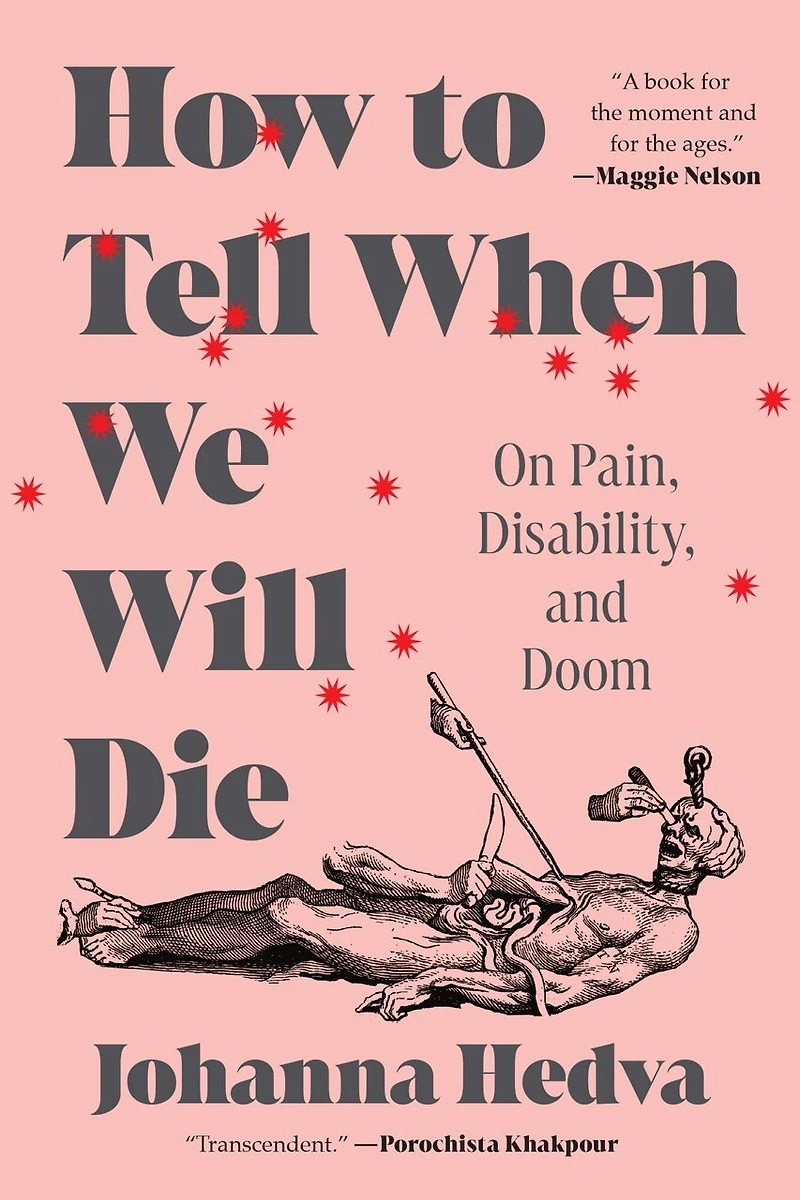
How to Tell When We Will Die: On Pain, Disability, and Doom
Current price: $36.99

How to Tell When We Will Die: On Pain, Disability, and Doom
Current price: $36.99
Loading Inventory...
Size: Hardcover
*Product information may vary - to confirm product availability, pricing, shipping and return information please contact Indigo
“A book for the moment and for the ages. It’s questing, pissed, propulsive, funny, generous, pervy, and original—full of love and pain in all their entwined glory.” —Maggie Nelson, author of The A rgonauts
The long-awaited essay collection from one of the most influential voices in disability activism that detonates a bomb in our collective understanding of care and illness, showing us that sickness is a fact of life.
In the wake of the 2014 Ferguson riots, and sick with a chronic condition that rendered them housebound, Johanna Hedva turned to the page to ask: How do you throw a brick through the window of a bank if you can’t get out of bed? It was not long before this essay, “Sick Woman Theory”, became a seminal work on disability, because in reframing illness as not just a biological experience but a social one, Hedva argues that under capitalism—a system that limits our worth to the productivity of our bodies—we must reach for the revolutionary act of caring for ourselves and others.
How to Tell When We Will Die expands upon Hedva’s paradigm-shifting perspective in a series of slyly subversive and razor-sharp essays that range from the theoretical to the personal—from Deborah Levy and Susan Sontag to wrestling, kink, mysticism, death, and the color yellow. Drawing from their experiences with America’s byzantine healthcare system, and considering archetypes they call The Psychotic Woman, The Freak, and The Hag in Charge, Hedva offers a bracing indictment of the politics that exploit sickness—relying on and fueling ableism—to the detriment of us all.
With the insight of Anne Boyer’s The Undying and Leslie Jamison’s The Empathy Exams , and the wit of Samantha Irby, Hedva’s debut collection upends our collective understanding of disability. In their radical reimagining of a world where care and pain are symbiotic, and our bodies are allowed to live free and well, Hedva implores us to remember that illness is neither an inconvenience or inevitability, but an enlivening and elemental part of being alive.
“A book for the moment and for the ages. It’s questing, pissed, propulsive, funny, generous, pervy, and original—full of love and pain in all their entwined glory.” —Maggie Nelson, author of The A rgonauts
The long-awaited essay collection from one of the most influential voices in disability activism that detonates a bomb in our collective understanding of care and illness, showing us that sickness is a fact of life.
In the wake of the 2014 Ferguson riots, and sick with a chronic condition that rendered them housebound, Johanna Hedva turned to the page to ask: How do you throw a brick through the window of a bank if you can’t get out of bed? It was not long before this essay, “Sick Woman Theory”, became a seminal work on disability, because in reframing illness as not just a biological experience but a social one, Hedva argues that under capitalism—a system that limits our worth to the productivity of our bodies—we must reach for the revolutionary act of caring for ourselves and others.
How to Tell When We Will Die expands upon Hedva’s paradigm-shifting perspective in a series of slyly subversive and razor-sharp essays that range from the theoretical to the personal—from Deborah Levy and Susan Sontag to wrestling, kink, mysticism, death, and the color yellow. Drawing from their experiences with America’s byzantine healthcare system, and considering archetypes they call The Psychotic Woman, The Freak, and The Hag in Charge, Hedva offers a bracing indictment of the politics that exploit sickness—relying on and fueling ableism—to the detriment of us all.
With the insight of Anne Boyer’s The Undying and Leslie Jamison’s The Empathy Exams , and the wit of Samantha Irby, Hedva’s debut collection upends our collective understanding of disability. In their radical reimagining of a world where care and pain are symbiotic, and our bodies are allowed to live free and well, Hedva implores us to remember that illness is neither an inconvenience or inevitability, but an enlivening and elemental part of being alive.














More About Indigo at Erin Mills Town Centre
The largest book retailer in Canada also offers toys, music, home décor, gifts and lifestyle products. What's Inside...Books, Magazines, CD’s and DVD’s, Toys and Gifts, Home Accents, Electronics, Baby’s and Children’s Section, Bath and Body, Kitchen and Bedroom, Stationary Located outside in the exterior plaza.
5015 Glen Erin Dr, Mississauga, ON L5M 0R7, Canada
Find Indigo at Erin Mills Town Centre in Mississauga ON
Visit Indigo at Erin Mills Town Centre in Mississauga ON