

GIVE THE PERFECT GIFT
Erin Mills Town Centre Gift Cards are the perfect choice for your gift giving needs.Purchase gift cards at kiosks near the food court or centre court, at Guest Services, or click below to purchase online.PURCHASE HEREHome
Human Agency and Divine Will: The Book of Genesis
Indigo
Loading Inventory...
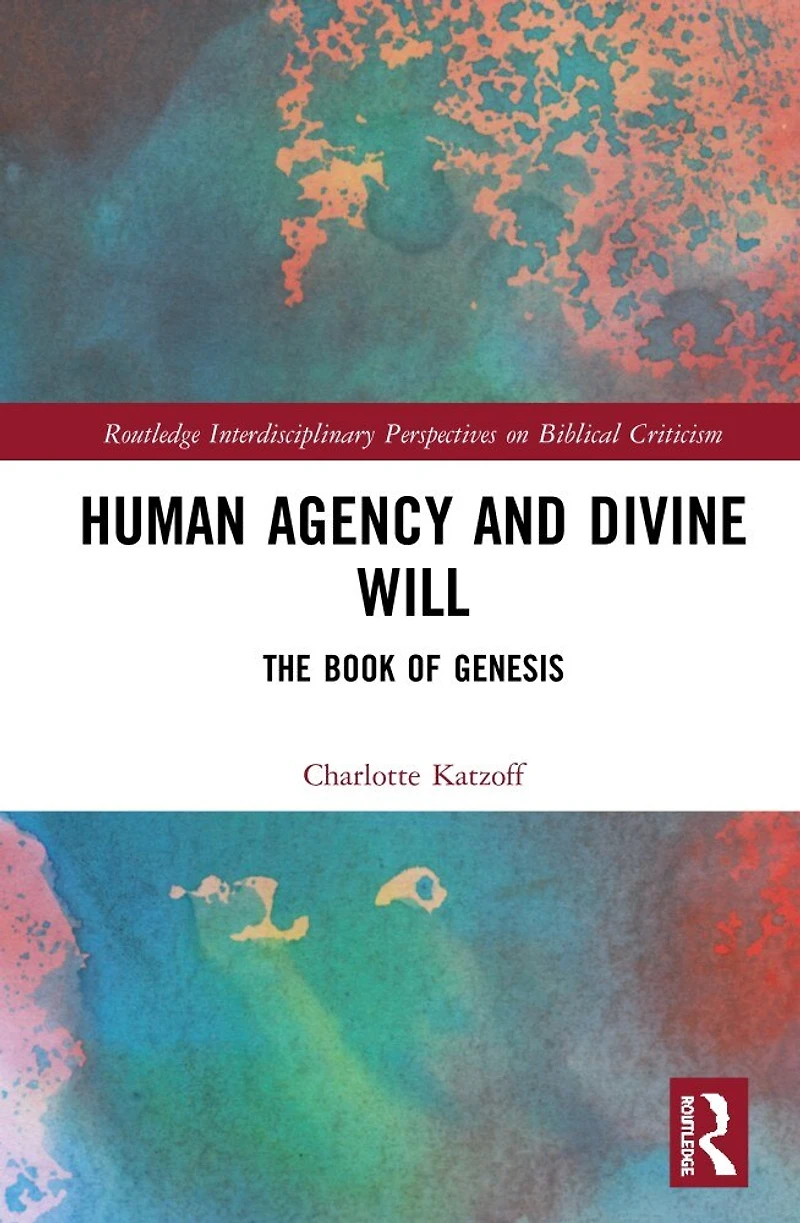
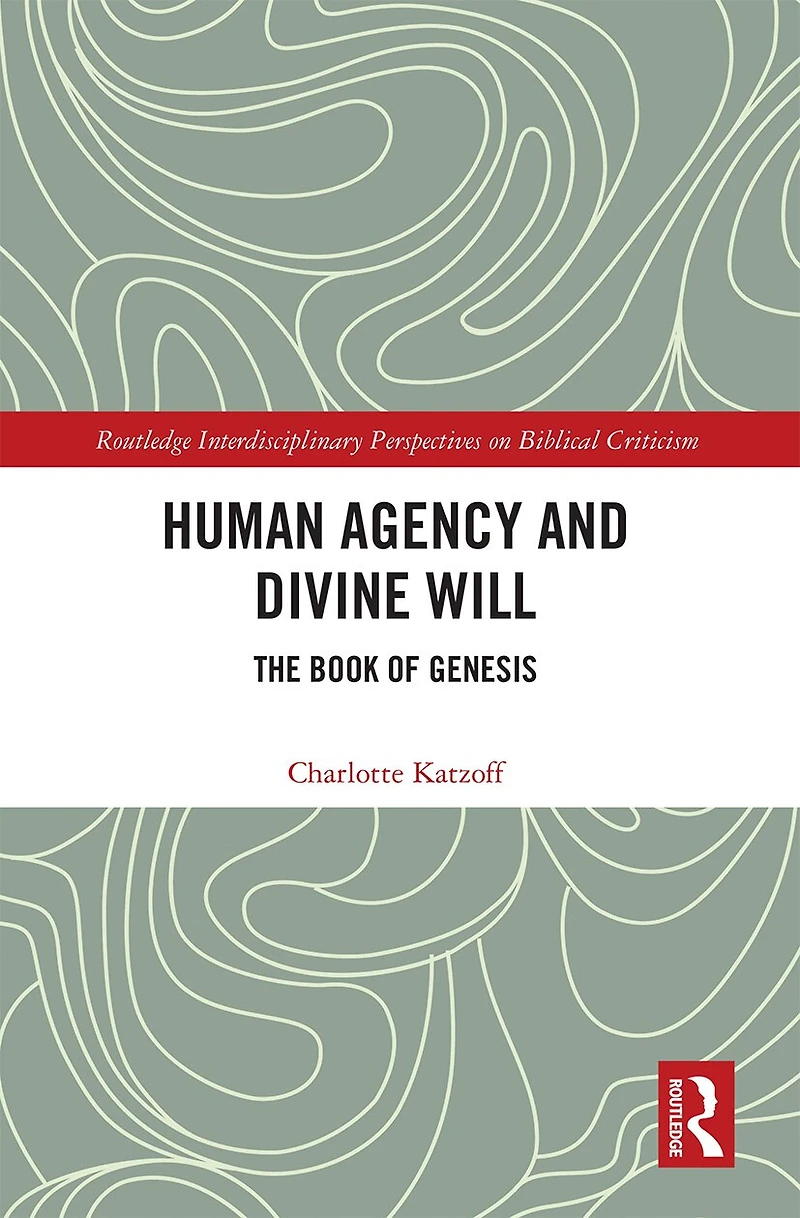
Human Agency and Divine Will: The Book of Genesis
Current price: $296.50

Human Agency and Divine Will: The Book of Genesis
Current price: $296.50
Loading Inventory...
Size: Hardcover
*Product information may vary - to confirm product availability, pricing, shipping and return information please contact Indigo
This book explores the conjuncture of human agency and divine volition in the biblical narrative - sometimes referred to as "double causality." A commonly held view has it that the biblical narrative shows human action to be determined by divine will. Yet, when reading the biblical narrative we are inclined to hold the actors accountable for their deeds. The book, then, challenges the common assumptions about the sweeping nature of divine causality in the biblical narrative and seeks to do justice to the roles played by the human actors in the drama. God's causing a person to act in a particular way, as He does when He hardens Pharaoh's heart, is the exception rather than the rule. On the whole, the biblical heroes act on their own; their personal initiatives and strivings are what move the story forward. How does it happen, then, that events, remarkably, conspire to realize God's plan? The study enlists concepts and theories developed within the framework of contemporary analytic philosophy, featured against the background of classical and contemporary bible commentary. In addressing the biblical narrative through these perspectives, this book holds appeal for scholars of a variety of disciplines - bible studies, philosophy, religion and philosophical theology - as well as for those who simply delight in reading the Bible.
This book explores the conjuncture of human agency and divine volition in the biblical narrative - sometimes referred to as "double causality." A commonly held view has it that the biblical narrative shows human action to be determined by divine will. Yet, when reading the biblical narrative we are inclined to hold the actors accountable for their deeds. The book, then, challenges the common assumptions about the sweeping nature of divine causality in the biblical narrative and seeks to do justice to the roles played by the human actors in the drama. God's causing a person to act in a particular way, as He does when He hardens Pharaoh's heart, is the exception rather than the rule. On the whole, the biblical heroes act on their own; their personal initiatives and strivings are what move the story forward. How does it happen, then, that events, remarkably, conspire to realize God's plan? The study enlists concepts and theories developed within the framework of contemporary analytic philosophy, featured against the background of classical and contemporary bible commentary. In addressing the biblical narrative through these perspectives, this book holds appeal for scholars of a variety of disciplines - bible studies, philosophy, religion and philosophical theology - as well as for those who simply delight in reading the Bible.
You May Also Like








More About Indigo at Erin Mills Town Centre
The largest book retailer in Canada also offers toys, music, home décor, gifts and lifestyle products. What's Inside...Books, Magazines, CD’s and DVD’s, Toys and Gifts, Home Accents, Electronics, Baby’s and Children’s Section, Bath and Body, Kitchen and Bedroom, Stationary Located outside in the exterior plaza.
5015 Glen Erin Dr, Mississauga, ON L5M 0R7, Canada
Find Indigo at Erin Mills Town Centre in Mississauga ON
Visit Indigo at Erin Mills Town Centre in Mississauga ON