

GIVE THE PERFECT GIFT
Erin Mills Town Centre Gift Cards are the perfect choice for your gift giving needs.Purchase gift cards at kiosks near the food court or centre court, at Guest Services, or click below to purchase online.PURCHASE HEREHome
Human-Centred Autonomous Shipping
Indigo
Loading Inventory...
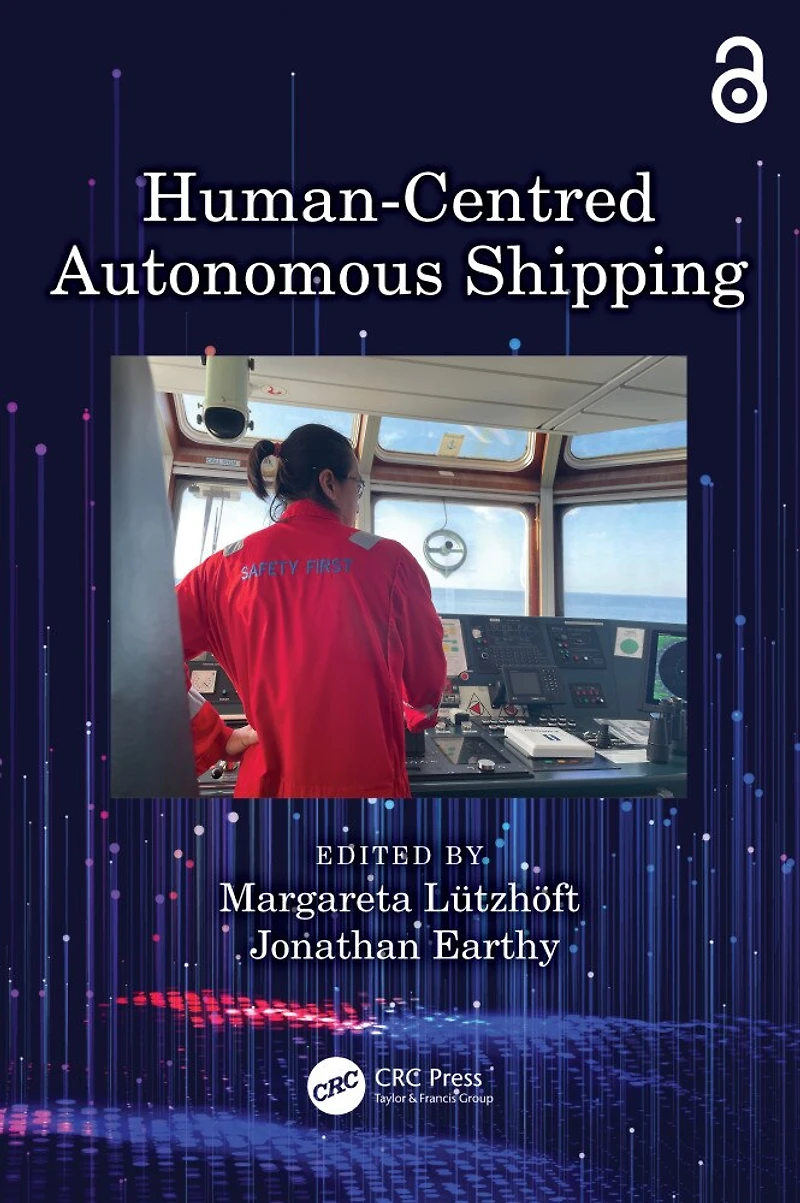
Human-Centred Autonomous Shipping
Current price: $208.95

Human-Centred Autonomous Shipping
Current price: $208.95
Loading Inventory...
Size: Hardcover
*Product information may vary - to confirm product availability, pricing, shipping and return information please contact Indigo
Tracing the development of autonomous and automated shipping from a hype of unmanned ships to a more realistic use of automation to augment humans in maritime operations, this book shows why human factors and human-centred design are essential to the endeavour. Themes addressed in the book include technology and cybersecurity, regulation and classification, and competence and skills. It combines commentary and insight from experts across the industry as well as academia and describes a roller-coaster ride from conceptual idea via a period of hype where technologists and engineers enthusiastically advocated a rapid development as many others in the maritime industry felt compelled, but struggled, to follow and finally to a more measured view as cumulative experience started to show the limitations, risks, and the lack of a generic business case. This book is intended for anyone working in, researching in, or simply interested in shipping and the maritime domain and the evolution of autonomous shipping. The target audience includes regulators, educators, researchers, engineers, and manufacturers. The Open Access version of this book, available at http://www.taylorfrancis.com, has been made available under a Creative Commons Attribution-Non Commercial-No Derivatives (CC-BY-NC-ND) 4.0 license
Tracing the development of autonomous and automated shipping from a hype of unmanned ships to a more realistic use of automation to augment humans in maritime operations, this book shows why human factors and human-centred design are essential to the endeavour. Themes addressed in the book include technology and cybersecurity, regulation and classification, and competence and skills. It combines commentary and insight from experts across the industry as well as academia and describes a roller-coaster ride from conceptual idea via a period of hype where technologists and engineers enthusiastically advocated a rapid development as many others in the maritime industry felt compelled, but struggled, to follow and finally to a more measured view as cumulative experience started to show the limitations, risks, and the lack of a generic business case. This book is intended for anyone working in, researching in, or simply interested in shipping and the maritime domain and the evolution of autonomous shipping. The target audience includes regulators, educators, researchers, engineers, and manufacturers. The Open Access version of this book, available at http://www.taylorfrancis.com, has been made available under a Creative Commons Attribution-Non Commercial-No Derivatives (CC-BY-NC-ND) 4.0 license
You May Also Like











More About Indigo at Erin Mills Town Centre
The largest book retailer in Canada also offers toys, music, home décor, gifts and lifestyle products. What's Inside...Books, Magazines, CD’s and DVD’s, Toys and Gifts, Home Accents, Electronics, Baby’s and Children’s Section, Bath and Body, Kitchen and Bedroom, Stationary Located outside in the exterior plaza.
5015 Glen Erin Dr, Mississauga, ON L5M 0R7, Canada
Find Indigo at Erin Mills Town Centre in Mississauga ON
Visit Indigo at Erin Mills Town Centre in Mississauga ON