

GIVE THE PERFECT GIFT
Erin Mills Town Centre Gift Cards are the perfect choice for your gift giving needs.Purchase gift cards at kiosks near the food court or centre court, at Guest Services, or click below to purchase online.PURCHASE HEREHome
Human Rights and Subjectivity: Imagining a Sensing Feeling
Indigo
Loading Inventory...
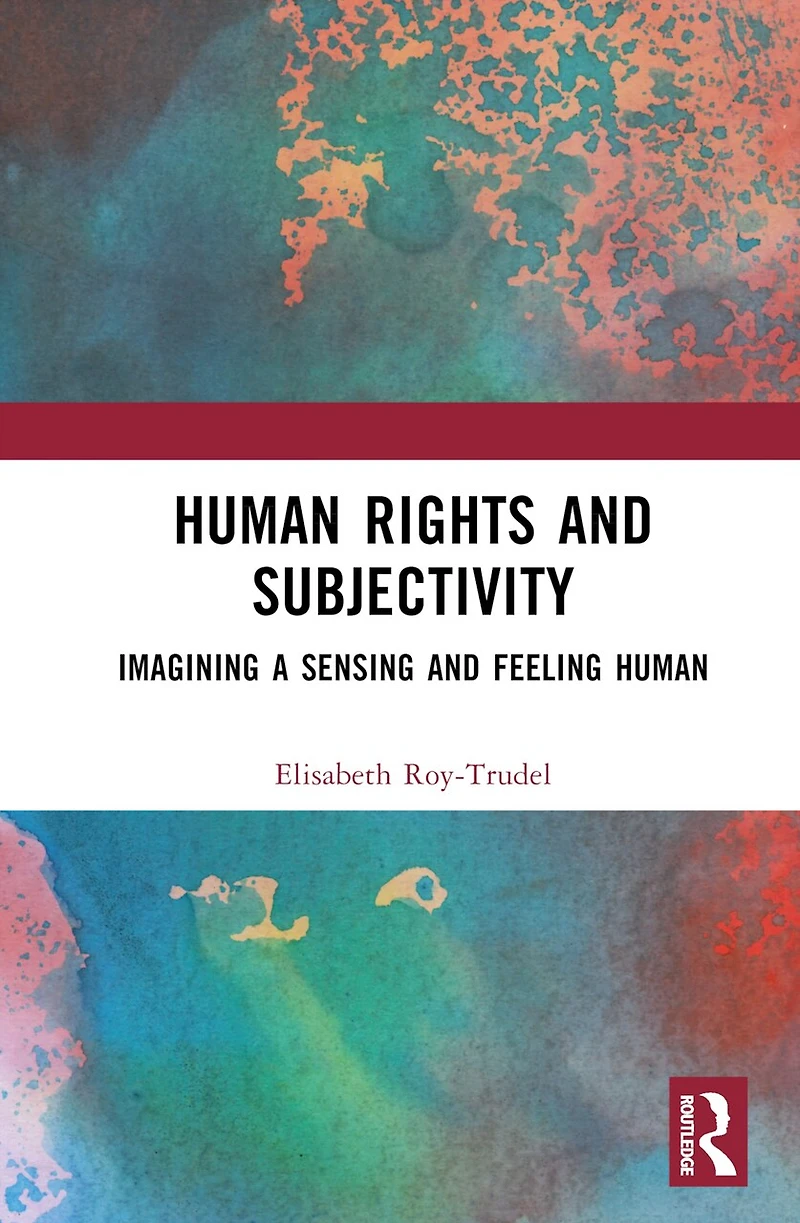
Human Rights and Subjectivity: Imagining a Sensing Feeling
Current price: $281.50

Human Rights and Subjectivity: Imagining a Sensing Feeling
Current price: $281.50
Loading Inventory...
Size: Hardcover
*Product information may vary - to confirm product availability, pricing, shipping and return information please contact Indigo
This book draws on a range of theoretical frameworks to challenge the limited conception of subjectivity upon which human rights are based. The book focuses on some of the ways in which dominant discourses are in tension with human rights' fundamental claim to universality by ignoring multiple ways of being. Different theoretical and methodological approaches are used to analyse this creation of exclusions. These include Hannah Arendt's figure of the refugee, posthumanist critiques and non-Western critical theories such as Black, Indigenous and decolonial approaches. Often these approaches are used in isolation, but together they reveal how the dominant concept of subjectivity has always needed an 'Other' and that the 'human' at the heart of human rights is not a universal concept. The book also pursues an analysis of visual discourses in the field of international human rights, with a focus on the ways in which exclusions are represented and entrenched through the visual. It argues that international human rights are based on a vision-centred sensorium and certain processes of reasoning that exclude emotions. Finally, the book considers how international human rights could embrace other forms of thinking and being in the world and recognize different sensory experiences. This original perspective on the limits of human rights will appeal to legal theorists, socio-legal scholars, and others working in politics, sociology, anthropology and cultural studies with an interest in contemporary approaches to social justice and critical approaches.
This book draws on a range of theoretical frameworks to challenge the limited conception of subjectivity upon which human rights are based. The book focuses on some of the ways in which dominant discourses are in tension with human rights' fundamental claim to universality by ignoring multiple ways of being. Different theoretical and methodological approaches are used to analyse this creation of exclusions. These include Hannah Arendt's figure of the refugee, posthumanist critiques and non-Western critical theories such as Black, Indigenous and decolonial approaches. Often these approaches are used in isolation, but together they reveal how the dominant concept of subjectivity has always needed an 'Other' and that the 'human' at the heart of human rights is not a universal concept. The book also pursues an analysis of visual discourses in the field of international human rights, with a focus on the ways in which exclusions are represented and entrenched through the visual. It argues that international human rights are based on a vision-centred sensorium and certain processes of reasoning that exclude emotions. Finally, the book considers how international human rights could embrace other forms of thinking and being in the world and recognize different sensory experiences. This original perspective on the limits of human rights will appeal to legal theorists, socio-legal scholars, and others working in politics, sociology, anthropology and cultural studies with an interest in contemporary approaches to social justice and critical approaches.
You May Also Like















More About Indigo at Erin Mills Town Centre
The largest book retailer in Canada also offers toys, music, home décor, gifts and lifestyle products. What's Inside...Books, Magazines, CD’s and DVD’s, Toys and Gifts, Home Accents, Electronics, Baby’s and Children’s Section, Bath and Body, Kitchen and Bedroom, Stationary Located outside in the exterior plaza.
5015 Glen Erin Dr, Mississauga, ON L5M 0R7, Canada
Find Indigo at Erin Mills Town Centre in Mississauga ON
Visit Indigo at Erin Mills Town Centre in Mississauga ON