

GIVE THE PERFECT GIFT
Erin Mills Town Centre Gift Cards are the perfect choice for your gift giving needs.Purchase gift cards at kiosks near the food court or centre court, at Guest Services, or click below to purchase online.PURCHASE HEREHome
Humanistic Tourism: Values, Norms and Dignity
Indigo
Loading Inventory...
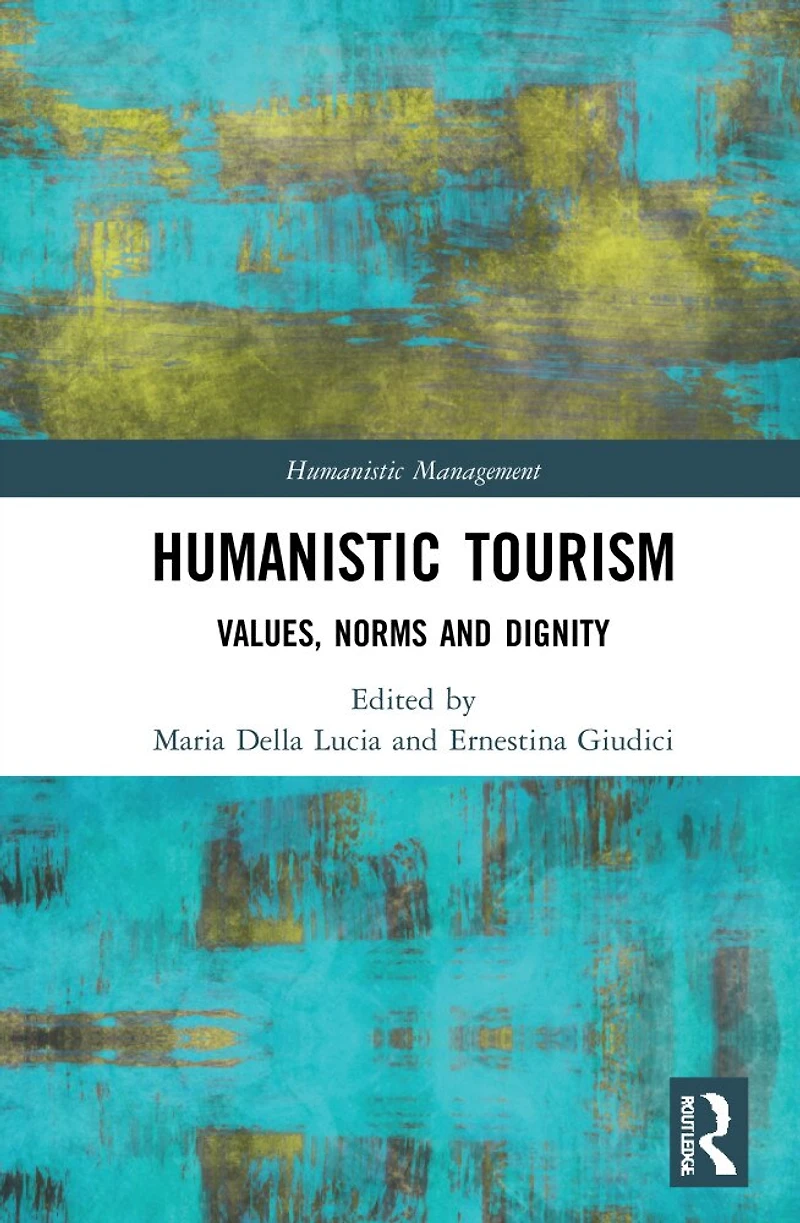
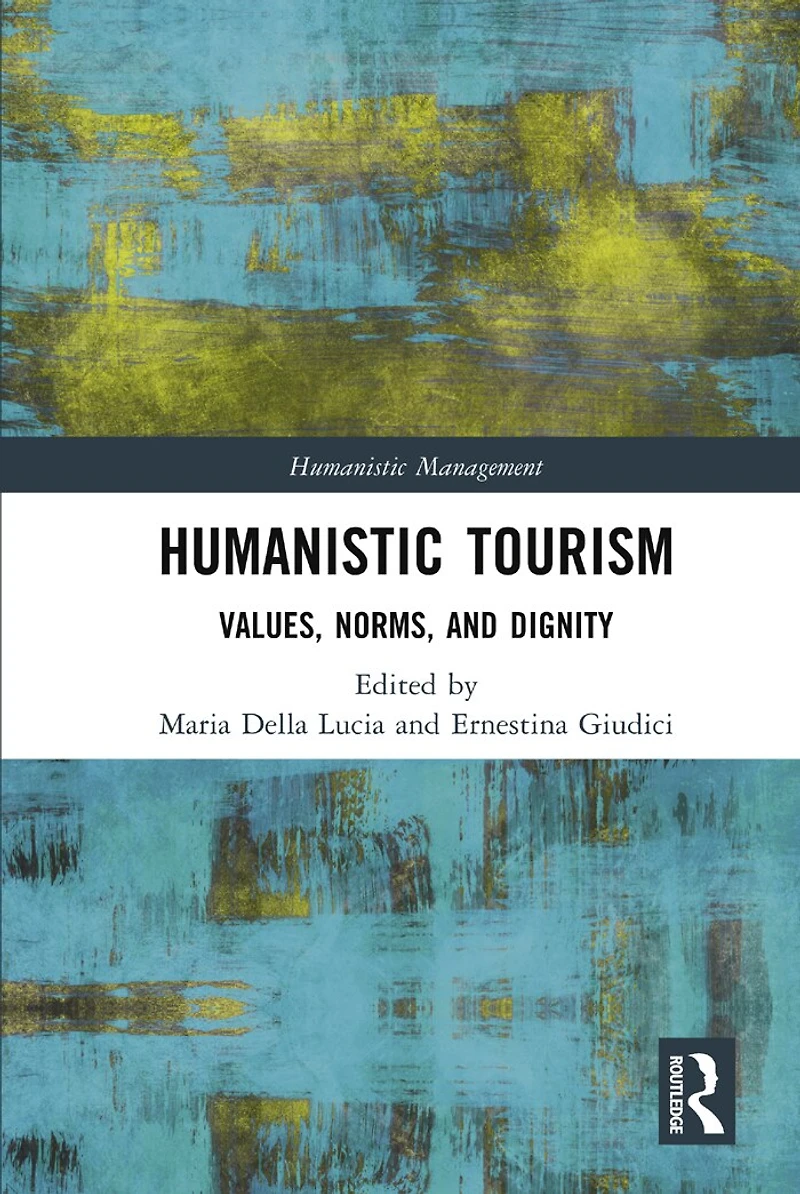
Humanistic Tourism: Values, Norms and Dignity
Current price: $296.50

Humanistic Tourism: Values, Norms and Dignity
Current price: $296.50
Loading Inventory...
Size: Hardcover
*Product information may vary - to confirm product availability, pricing, shipping and return information please contact Indigo
Human dignity has experienced limited attention in tourism studies. The interlinked dimensions of dignity in tourism urgently ask for broad avenues of future research, as tourism is both an information-intensive industry and an "experience good" resulting from the relationship and co-creation processes involving hosts and guests in different political, socio-economic, cultural, and environmental contexts. These contexts play a role in how an individual's values, norms, and experiences may be experienced in tourism. This edited book is one of the first attempts to apply to tourism a humanistic management approach entailing a re-discovery of the value of human life, dignity, and awareness of the ethical dimensions of work. The book develops awareness of the contemporary relevance of the human dignity concept to interpret and manage the weaknesses of traditional approaches to tourism and cope with the challenges and new scenarios, including the current COVID-19 pandemic crisis. It presents ethical values and norms as both foundations and vehicles to dignify tourism stakeholders' vision and mission (policy, strategies, and practices) as well as people/tourist beliefs, attitudes, and behaviors. It grounds humanistic education as a pervasive mechanism to innovate tourism management contents and practices by offering to different targets new educational and training formats or framing differently traditional ones. Presenting both a critical and a positive approach to tourism management, the diversity of disciplinary approaches, case studies, and examples makes the book attractive to a variety of readers including tourism scholars, researchers, practitioners, and postgraduate students of management and organization disciplines.
Human dignity has experienced limited attention in tourism studies. The interlinked dimensions of dignity in tourism urgently ask for broad avenues of future research, as tourism is both an information-intensive industry and an "experience good" resulting from the relationship and co-creation processes involving hosts and guests in different political, socio-economic, cultural, and environmental contexts. These contexts play a role in how an individual's values, norms, and experiences may be experienced in tourism. This edited book is one of the first attempts to apply to tourism a humanistic management approach entailing a re-discovery of the value of human life, dignity, and awareness of the ethical dimensions of work. The book develops awareness of the contemporary relevance of the human dignity concept to interpret and manage the weaknesses of traditional approaches to tourism and cope with the challenges and new scenarios, including the current COVID-19 pandemic crisis. It presents ethical values and norms as both foundations and vehicles to dignify tourism stakeholders' vision and mission (policy, strategies, and practices) as well as people/tourist beliefs, attitudes, and behaviors. It grounds humanistic education as a pervasive mechanism to innovate tourism management contents and practices by offering to different targets new educational and training formats or framing differently traditional ones. Presenting both a critical and a positive approach to tourism management, the diversity of disciplinary approaches, case studies, and examples makes the book attractive to a variety of readers including tourism scholars, researchers, practitioners, and postgraduate students of management and organization disciplines.
You May Also Like







More About Indigo at Erin Mills Town Centre
The largest book retailer in Canada also offers toys, music, home décor, gifts and lifestyle products. What's Inside...Books, Magazines, CD’s and DVD’s, Toys and Gifts, Home Accents, Electronics, Baby’s and Children’s Section, Bath and Body, Kitchen and Bedroom, Stationary Located outside in the exterior plaza.
5015 Glen Erin Dr, Mississauga, ON L5M 0R7, Canada
Find Indigo at Erin Mills Town Centre in Mississauga ON
Visit Indigo at Erin Mills Town Centre in Mississauga ON