

GIVE THE PERFECT GIFT
Erin Mills Town Centre Gift Cards are the perfect choice for your gift giving needs.Purchase gift cards at kiosks near the food court or centre court, at Guest Services, or click below to purchase online.PURCHASE HEREHome
Hume on the Self and Personal Identity
Indigo
Loading Inventory...
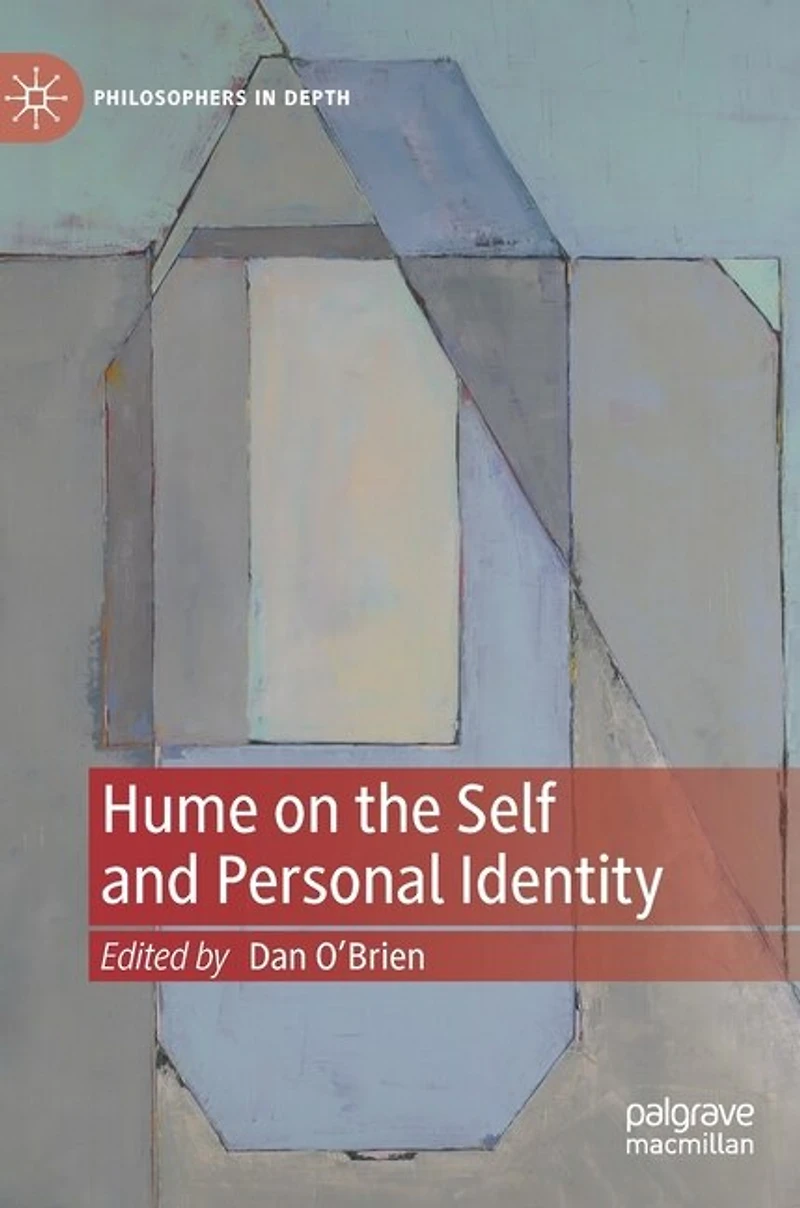
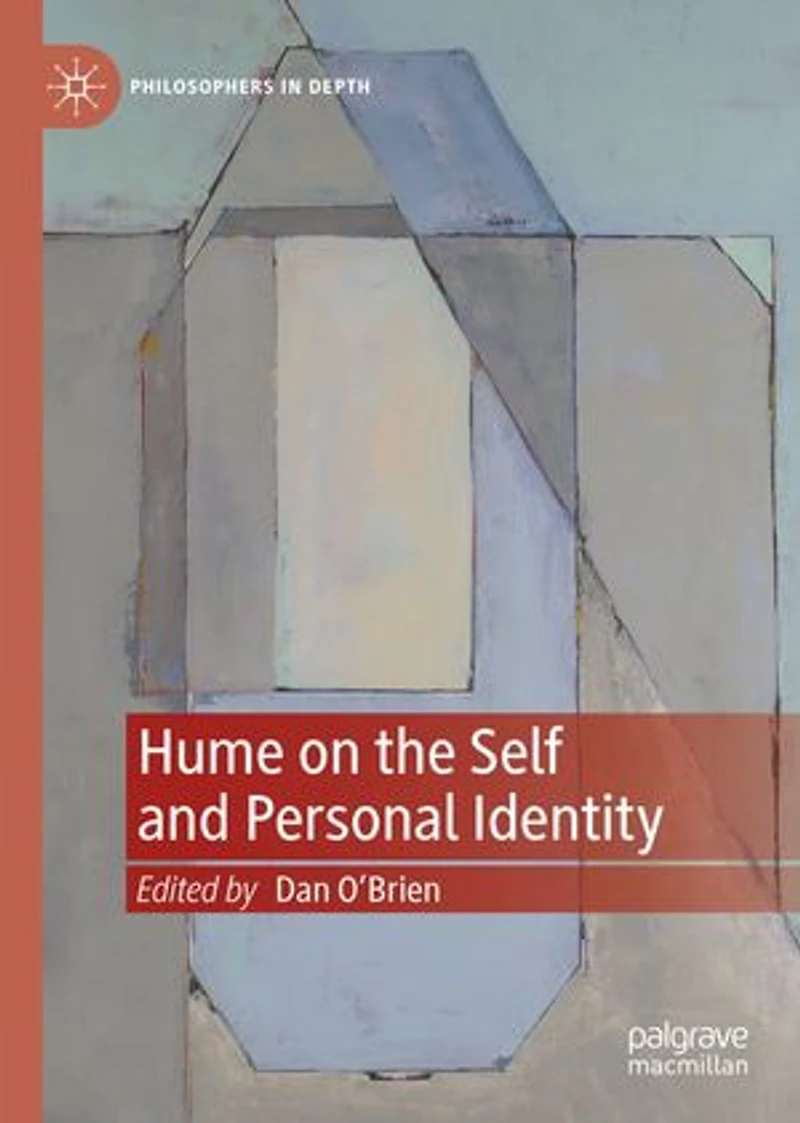
Hume on the Self and Personal Identity
Current price: $233.95

Hume on the Self and Personal Identity
Current price: $233.95
Loading Inventory...
Size: Hardcover
*Product information may vary - to confirm product availability, pricing, shipping and return information please contact Indigo
This book brings together a team of international scholars to attempt to understand David Hume's conception of the self. The standard interpretation is that he holds a no-self view: we are just bundles of conscious experiences, thoughts and emotions. There is nothing deeper to us, no core, no essence, no soul. In the Appendix to A Treatise of Human Nature , though, Hume admits to being dissatisfied with such an account and Part One of this book explores why this might be so. Part Two turns to Books 2 and 3 of the Treatise , where Hume moves away from the 'fiction' of a simple self, to the complex idea we have of our flesh and blood selves, those with emotional lives, practical goals, and social relations with others. In Part Three connections are traced between Hume and Madhyamaka Buddhism, Husserl and the phenomenological tradition, and contemporary cognitive science.
This book brings together a team of international scholars to attempt to understand David Hume's conception of the self. The standard interpretation is that he holds a no-self view: we are just bundles of conscious experiences, thoughts and emotions. There is nothing deeper to us, no core, no essence, no soul. In the Appendix to A Treatise of Human Nature , though, Hume admits to being dissatisfied with such an account and Part One of this book explores why this might be so. Part Two turns to Books 2 and 3 of the Treatise , where Hume moves away from the 'fiction' of a simple self, to the complex idea we have of our flesh and blood selves, those with emotional lives, practical goals, and social relations with others. In Part Three connections are traced between Hume and Madhyamaka Buddhism, Husserl and the phenomenological tradition, and contemporary cognitive science.
You May Also Like








More About Indigo at Erin Mills Town Centre
The largest book retailer in Canada also offers toys, music, home décor, gifts and lifestyle products. What's Inside...Books, Magazines, CD’s and DVD’s, Toys and Gifts, Home Accents, Electronics, Baby’s and Children’s Section, Bath and Body, Kitchen and Bedroom, Stationary Located outside in the exterior plaza.
5015 Glen Erin Dr, Mississauga, ON L5M 0R7, Canada
Find Indigo at Erin Mills Town Centre in Mississauga ON
Visit Indigo at Erin Mills Town Centre in Mississauga ON