

GIVE THE PERFECT GIFT
Erin Mills Town Centre Gift Cards are the perfect choice for your gift giving needs.Purchase gift cards at kiosks near the food court or centre court, at Guest Services, or click below to purchase online.PURCHASE HEREHome
Hybrid Organic-Inorganic Interfaces: Towards Advanced Functional Materials, 2 Volumes
Indigo
Loading Inventory...
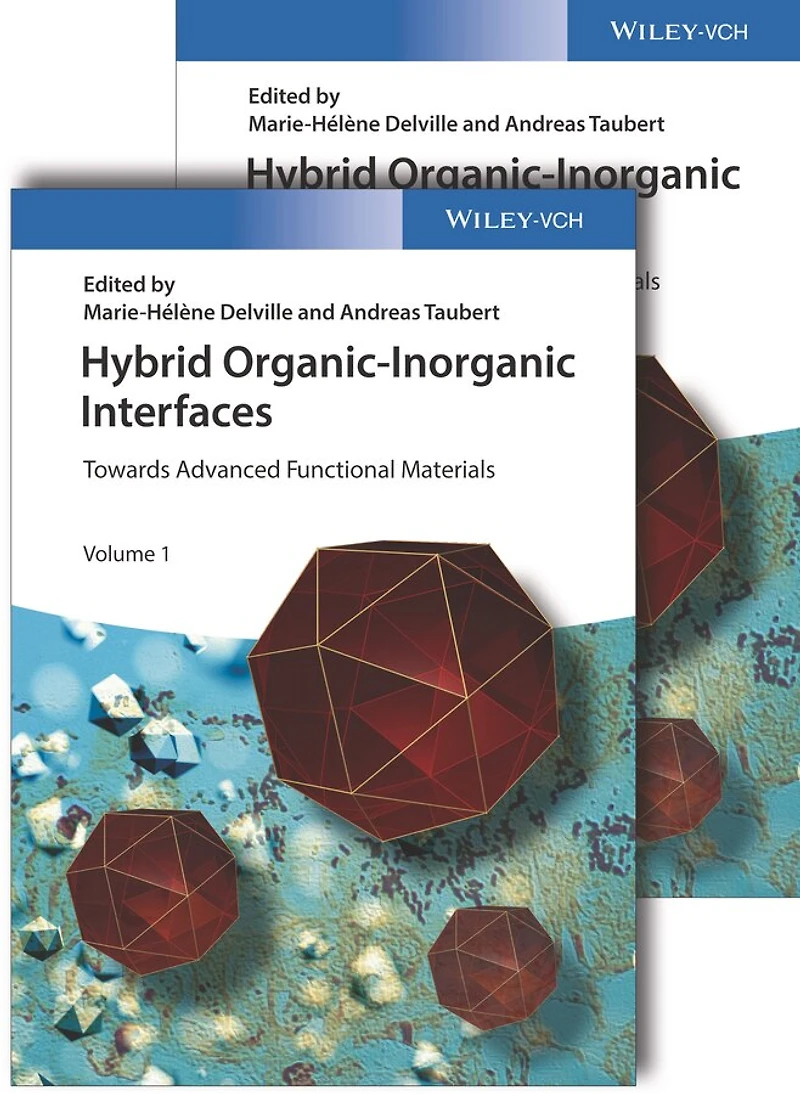
Hybrid Organic-Inorganic Interfaces: Towards Advanced Functional Materials, 2 Volumes
Current price: $679.95

Hybrid Organic-Inorganic Interfaces: Towards Advanced Functional Materials, 2 Volumes
Current price: $679.95
Loading Inventory...
Size: Hardcover
*Product information may vary - to confirm product availability, pricing, shipping and return information please contact Indigo
Hybrid organic-inorganic materials and the rational design of their interfaces open up the access to a wide spectrum of functionalities not achievable with traditional concepts of materials science. This innovative class of materials has a major impact in many application domains such as optics, electronics, mechanics, energy storage and conversion, protective coatings, catalysis, sensing and nanomedicine. The properties of these materials do not only depend on the chemical structure, and the mutual interaction between their nano-scale building blocks, but are also strongly influenced by the interfaces they share.
This handbook focuses on the most recent investigations concerning the design, control, and dynamics of hybrid organic-inorganic interfaces, covering: (i) characterization methods of interfaces, (ii) innovative computational approaches and simulation of interaction processes, (iii) in-situ studies of dynamic aspects controlling the formation of these interfaces, and (iv) the role of the interface for process optimization, devices, and applications in such areas as optics, electronics, energy and medicine.
Hybrid organic-inorganic materials and the rational design of their interfaces open up the access to a wide spectrum of functionalities not achievable with traditional concepts of materials science. This innovative class of materials has a major impact in many application domains such as optics, electronics, mechanics, energy storage and conversion, protective coatings, catalysis, sensing and nanomedicine. The properties of these materials do not only depend on the chemical structure, and the mutual interaction between their nano-scale building blocks, but are also strongly influenced by the interfaces they share.
This handbook focuses on the most recent investigations concerning the design, control, and dynamics of hybrid organic-inorganic interfaces, covering: (i) characterization methods of interfaces, (ii) innovative computational approaches and simulation of interaction processes, (iii) in-situ studies of dynamic aspects controlling the formation of these interfaces, and (iv) the role of the interface for process optimization, devices, and applications in such areas as optics, electronics, energy and medicine.
You May Also Like







More About Indigo at Erin Mills Town Centre
The largest book retailer in Canada also offers toys, music, home décor, gifts and lifestyle products. What's Inside...Books, Magazines, CD’s and DVD’s, Toys and Gifts, Home Accents, Electronics, Baby’s and Children’s Section, Bath and Body, Kitchen and Bedroom, Stationary Located outside in the exterior plaza.
5015 Glen Erin Dr, Mississauga, ON L5M 0R7, Canada
Find Indigo at Erin Mills Town Centre in Mississauga ON
Visit Indigo at Erin Mills Town Centre in Mississauga ON