

GIVE THE PERFECT GIFT
Erin Mills Town Centre Gift Cards are the perfect choice for your gift giving needs.Purchase gift cards at kiosks near the food court or centre court, at Guest Services, or click below to purchase online.PURCHASE HEREHome
Hyperobject Reading, Scale Variance
Indigo
Loading Inventory...
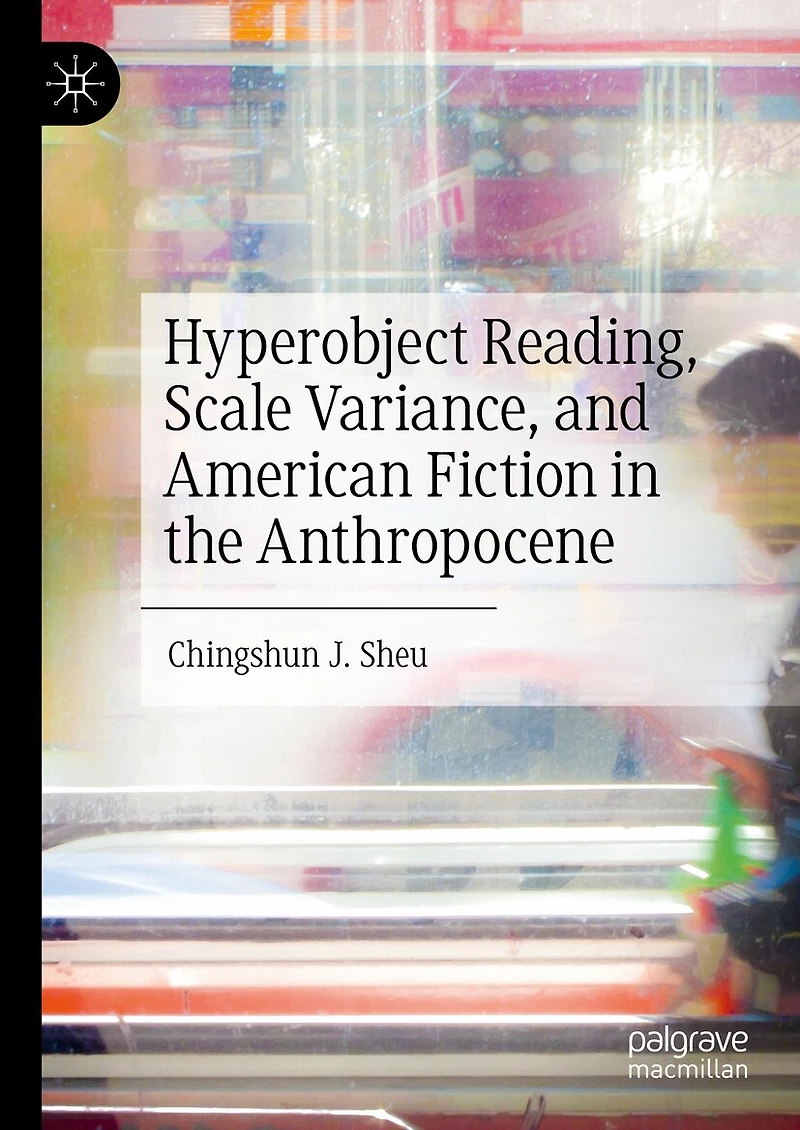
Hyperobject Reading, Scale Variance
Current price: $189.95

Hyperobject Reading, Scale Variance
Current price: $189.95
Loading Inventory...
Size: Hardcover
*Product information may vary - to confirm product availability, pricing, shipping and return information please contact Indigo
2024 Ming Chuan University Research Award This book proposes a model of reading called hyperobject reading that bridges the Anthropocene scale variance between humans and humanity by focusing on the large-scale problems and phenomena themselves. Hyperobject reading draws on narratology and reader-response theory, as well as newer developments such as the postcritical turn and object-oriented ontology. The theoretical introduction sets out the building blocks of hyperobject reading. Chapter 2 intervenes in critical disability studies and debates about the ecosomatic paradigm; Chapter 3 intervenes in debates about technological evolution, analogue vs. digital subjectivity, and affect theory; and Chapter 4 intervenes in debates about autofiction, contemporary metafiction, and the position and role of the narrator in first-person narratives where the narrator and protagonist can be distinguished. The analytical conclusion sketches the conceptual anatomy of the hyperobject and three possible responses. No part of the Earth today is free from human influence, but literary success suggests effective real-world strategies.
2024 Ming Chuan University Research Award This book proposes a model of reading called hyperobject reading that bridges the Anthropocene scale variance between humans and humanity by focusing on the large-scale problems and phenomena themselves. Hyperobject reading draws on narratology and reader-response theory, as well as newer developments such as the postcritical turn and object-oriented ontology. The theoretical introduction sets out the building blocks of hyperobject reading. Chapter 2 intervenes in critical disability studies and debates about the ecosomatic paradigm; Chapter 3 intervenes in debates about technological evolution, analogue vs. digital subjectivity, and affect theory; and Chapter 4 intervenes in debates about autofiction, contemporary metafiction, and the position and role of the narrator in first-person narratives where the narrator and protagonist can be distinguished. The analytical conclusion sketches the conceptual anatomy of the hyperobject and three possible responses. No part of the Earth today is free from human influence, but literary success suggests effective real-world strategies.
You May Also Like








More About Indigo at Erin Mills Town Centre
The largest book retailer in Canada also offers toys, music, home décor, gifts and lifestyle products. What's Inside...Books, Magazines, CD’s and DVD’s, Toys and Gifts, Home Accents, Electronics, Baby’s and Children’s Section, Bath and Body, Kitchen and Bedroom, Stationary Located outside in the exterior plaza.
5015 Glen Erin Dr, Mississauga, ON L5M 0R7, Canada
Find Indigo at Erin Mills Town Centre in Mississauga ON
Visit Indigo at Erin Mills Town Centre in Mississauga ON