

GIVE THE PERFECT GIFT
Erin Mills Town Centre Gift Cards are the perfect choice for your gift giving needs.Purchase gift cards at kiosks near the food court or centre court, at Guest Services, or click below to purchase online.PURCHASE HEREHome
Ibn Gabirol's Theology of Desire: Matter and Method in Jewish Medieval Neoplatonism
Indigo
Loading Inventory...
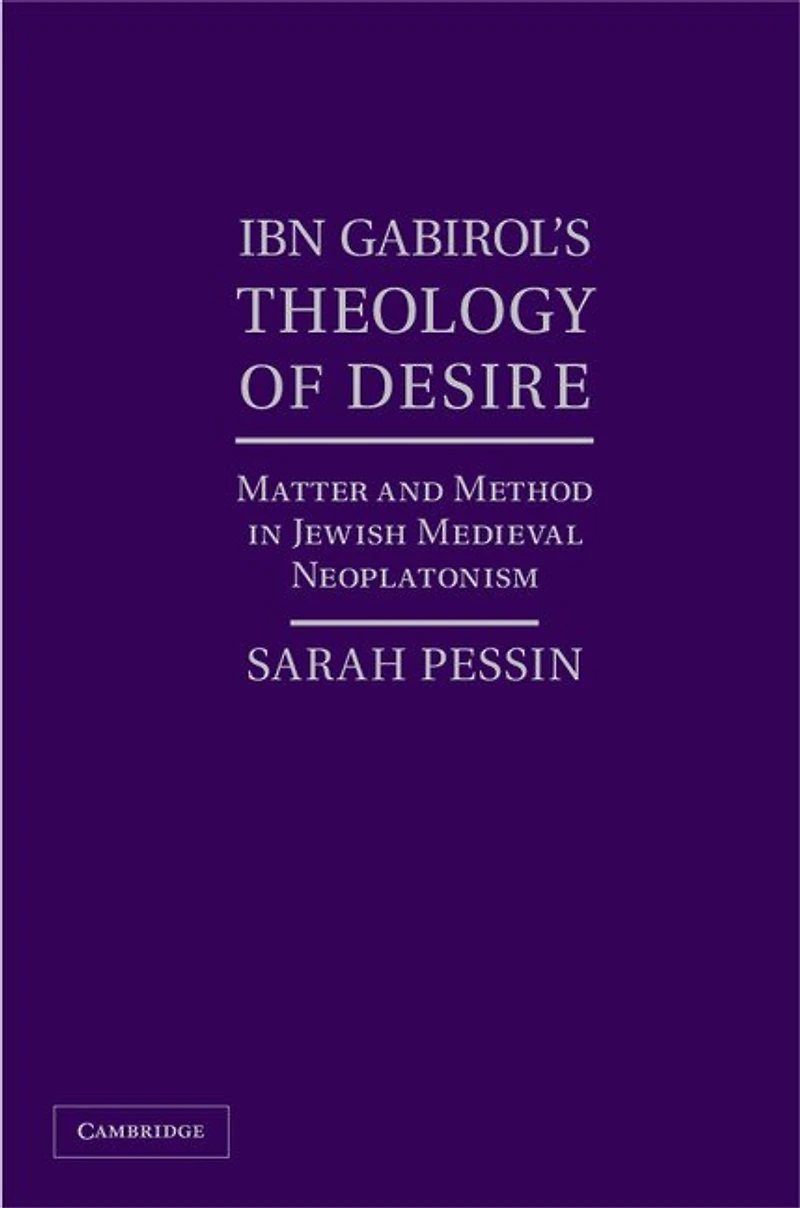
Ibn Gabirol's Theology of Desire: Matter and Method in Jewish Medieval Neoplatonism
Current price: $152.95

Ibn Gabirol's Theology of Desire: Matter and Method in Jewish Medieval Neoplatonism
Current price: $152.95
Loading Inventory...
Size: Hardcover
*Product information may vary - to confirm product availability, pricing, shipping and return information please contact Indigo
Drawing on Arabic passages from Ibn Gabirol's original Fons Vitae text, and highlighting philosophical insights from his Hebrew poetry, Sarah Pessin develops a “Theology of Desire” at the heart of Ibn Gabirol's eleventh-century cosmo-ontology. She challenges centuries of received scholarship on his work, including his so-called Doctrine of Divine Will. Pessin rejects voluntarist readings of the Fons Vitae as opposing divine emanation. She also emphasizes Pseudo-Empedoclean notions of “Divine Desire” and “Grounding Element” alongside Ibn Gabirol's use of a particularly Neoplatonic method with apophatic (and what she terms “doubly apophatic”) implications. In this way, Pessin reads claims about matter and God as insights about love, desire, and the receptive, dependent, and fragile nature of human being. Pessin reenvisions the entire spirit of Ibn Gabirol's philosophy, moving us from a set of doctrines to a fluid inquiry into the nature of God and human being – and the bond between God and human being in desire.
Drawing on Arabic passages from Ibn Gabirol's original Fons Vitae text, and highlighting philosophical insights from his Hebrew poetry, Sarah Pessin develops a “Theology of Desire” at the heart of Ibn Gabirol's eleventh-century cosmo-ontology. She challenges centuries of received scholarship on his work, including his so-called Doctrine of Divine Will. Pessin rejects voluntarist readings of the Fons Vitae as opposing divine emanation. She also emphasizes Pseudo-Empedoclean notions of “Divine Desire” and “Grounding Element” alongside Ibn Gabirol's use of a particularly Neoplatonic method with apophatic (and what she terms “doubly apophatic”) implications. In this way, Pessin reads claims about matter and God as insights about love, desire, and the receptive, dependent, and fragile nature of human being. Pessin reenvisions the entire spirit of Ibn Gabirol's philosophy, moving us from a set of doctrines to a fluid inquiry into the nature of God and human being – and the bond between God and human being in desire.
You May Also Like










More About Indigo at Erin Mills Town Centre
The largest book retailer in Canada also offers toys, music, home décor, gifts and lifestyle products. What's Inside...Books, Magazines, CD’s and DVD’s, Toys and Gifts, Home Accents, Electronics, Baby’s and Children’s Section, Bath and Body, Kitchen and Bedroom, Stationary Located outside in the exterior plaza.
5015 Glen Erin Dr, Mississauga, ON L5M 0R7, Canada
Find Indigo at Erin Mills Town Centre in Mississauga ON
Visit Indigo at Erin Mills Town Centre in Mississauga ON