

GIVE THE PERFECT GIFT
Erin Mills Town Centre Gift Cards are the perfect choice for your gift giving needs.Purchase gift cards at kiosks near the food court or centre court, at Guest Services, or click below to purchase online.PURCHASE HEREHome
Ideological Flexibility of Political Parties the Era Transnational Cleavage: A Comparative Study Lega and Rassemblement National
Indigo
Loading Inventory...
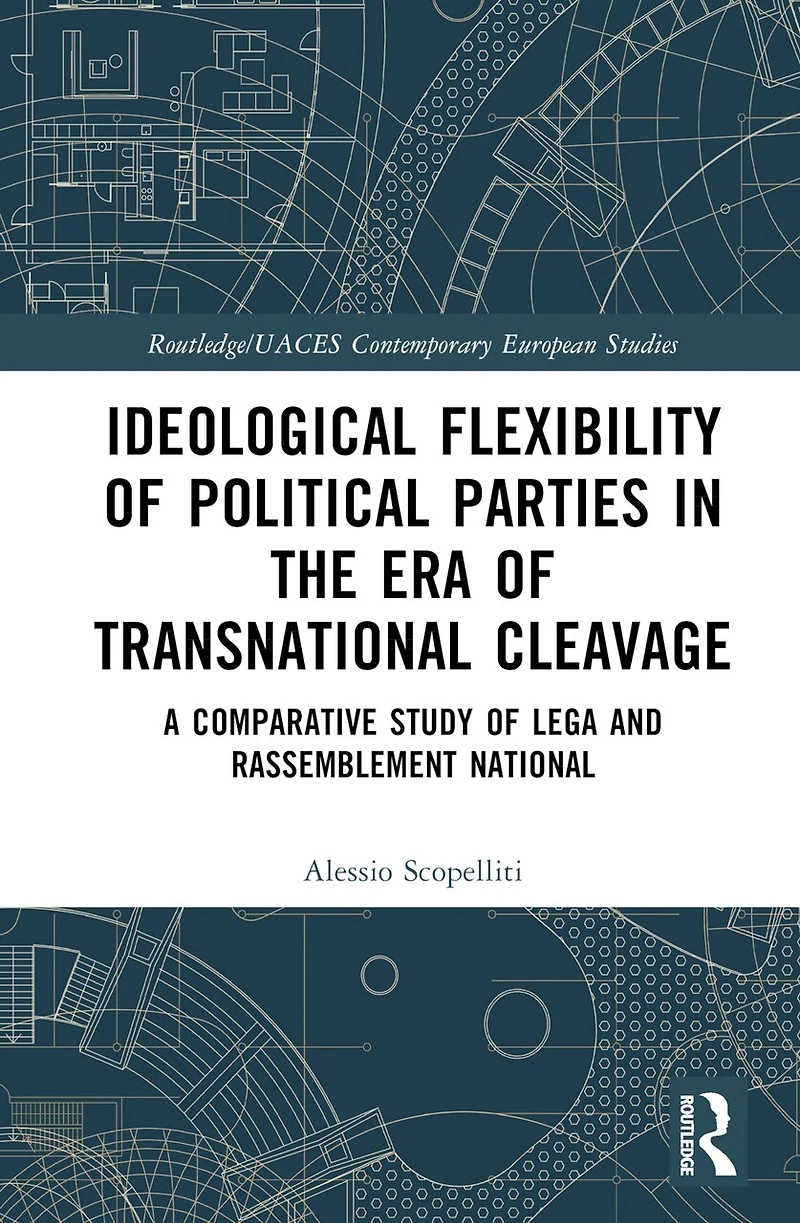

Ideological Flexibility of Political Parties the Era Transnational Cleavage: A Comparative Study Lega and Rassemblement National
Current price: $296.50

Ideological Flexibility of Political Parties the Era Transnational Cleavage: A Comparative Study Lega and Rassemblement National
Current price: $296.50
Loading Inventory...
Size: Hardcover
*Product information may vary - to confirm product availability, pricing, shipping and return information please contact Indigo
This book provides a comprehensive analysis of how the parties of Lega and Rassemblement National have adjusted their ideologies over a four-decade period to adapt to the new transnational cleavage in Western Europe - the conflict between pro-EU and anti-EU sentiments. It sheds light on their ability to change ideological positions, policy stances, and adopt strategic shifts in response to the evolving political landscape. Drawing from a rich array of sources, the book challenges the perception of established radical right parties as inflexible, revealing their significant ideological adaptability. As such, it offers a richer understanding of the dynamics within the radical right party family. This book is of key interest to scholars and students of Euroscepticism, the Radical Right, party politics, and more broadly to European and comparative politics.
This book provides a comprehensive analysis of how the parties of Lega and Rassemblement National have adjusted their ideologies over a four-decade period to adapt to the new transnational cleavage in Western Europe - the conflict between pro-EU and anti-EU sentiments. It sheds light on their ability to change ideological positions, policy stances, and adopt strategic shifts in response to the evolving political landscape. Drawing from a rich array of sources, the book challenges the perception of established radical right parties as inflexible, revealing their significant ideological adaptability. As such, it offers a richer understanding of the dynamics within the radical right party family. This book is of key interest to scholars and students of Euroscepticism, the Radical Right, party politics, and more broadly to European and comparative politics.
You May Also Like












More About Indigo at Erin Mills Town Centre
The largest book retailer in Canada also offers toys, music, home décor, gifts and lifestyle products. What's Inside...Books, Magazines, CD’s and DVD’s, Toys and Gifts, Home Accents, Electronics, Baby’s and Children’s Section, Bath and Body, Kitchen and Bedroom, Stationary Located outside in the exterior plaza.
5015 Glen Erin Dr, Mississauga, ON L5M 0R7, Canada
Find Indigo at Erin Mills Town Centre in Mississauga ON
Visit Indigo at Erin Mills Town Centre in Mississauga ON