

GIVE THE PERFECT GIFT
Erin Mills Town Centre Gift Cards are the perfect choice for your gift giving needs.Purchase gift cards at kiosks near the food court or centre court, at Guest Services, or click below to purchase online.PURCHASE HEREHome
Imaginative Possibilities: Conversations with Twenty-First-Century Latinx Writers
Indigo
Loading Inventory...
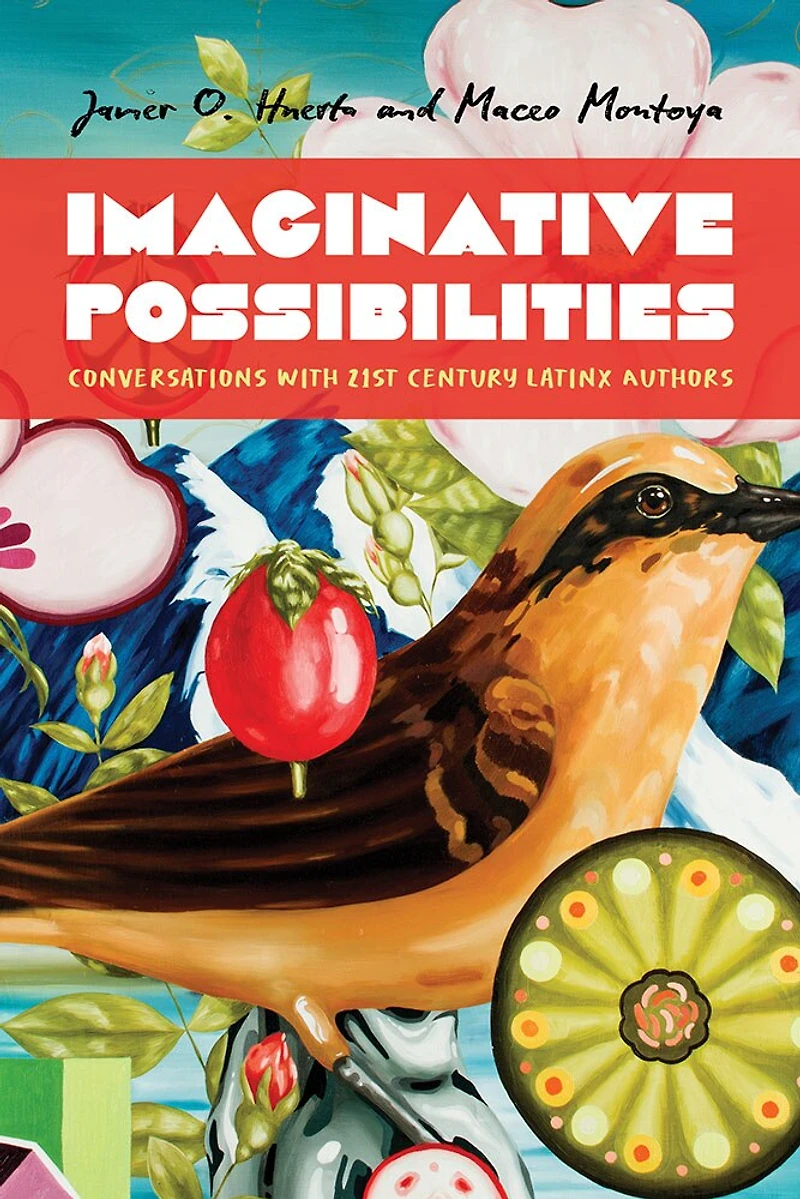
Imaginative Possibilities: Conversations with Twenty-First-Century Latinx Writers
Current price: $71.50

Imaginative Possibilities: Conversations with Twenty-First-Century Latinx Writers
Current price: $71.50
Loading Inventory...
Size: Hardcover
*Product information may vary - to confirm product availability, pricing, shipping and return information please contact Indigo
Two decades into the twenty-first century, contemporary Latinx writers have established themselves within an evolving literary tradition. Imaginative Possibilities collects interviews with some of these authors to explores the writers’ processes, aesthetics, creative trajectories, and places within the larger body of Latinx literature. The interviews address artistic, professional, and cultural issues including the building of intellectual communities, the writing and publication process, and the practical economics of making a living. US Latinx writers discuss how they navigate the overwhelmingly white publishing industry, the academic book market, higher education, and MFA culture while exploring questions of representation, hybridity, and mestizaje. Through these conversations, a truth emerges: Latinx literature speaks not with one voice, but many.
Two decades into the twenty-first century, contemporary Latinx writers have established themselves within an evolving literary tradition. Imaginative Possibilities collects interviews with some of these authors to explores the writers’ processes, aesthetics, creative trajectories, and places within the larger body of Latinx literature. The interviews address artistic, professional, and cultural issues including the building of intellectual communities, the writing and publication process, and the practical economics of making a living. US Latinx writers discuss how they navigate the overwhelmingly white publishing industry, the academic book market, higher education, and MFA culture while exploring questions of representation, hybridity, and mestizaje. Through these conversations, a truth emerges: Latinx literature speaks not with one voice, but many.
You May Also Like













More About Indigo at Erin Mills Town Centre
The largest book retailer in Canada also offers toys, music, home décor, gifts and lifestyle products. What's Inside...Books, Magazines, CD’s and DVD’s, Toys and Gifts, Home Accents, Electronics, Baby’s and Children’s Section, Bath and Body, Kitchen and Bedroom, Stationary Located outside in the exterior plaza.
5015 Glen Erin Dr, Mississauga, ON L5M 0R7, Canada
Find Indigo at Erin Mills Town Centre in Mississauga ON
Visit Indigo at Erin Mills Town Centre in Mississauga ON