

GIVE THE PERFECT GIFT
Erin Mills Town Centre Gift Cards are the perfect choice for your gift giving needs.Purchase gift cards at kiosks near the food court or centre court, at Guest Services, or click below to purchase online.PURCHASE HEREHome
Imagining Justice: The Politics of Postcolonial Forgiveness and Reconciliation
Indigo
Loading Inventory...
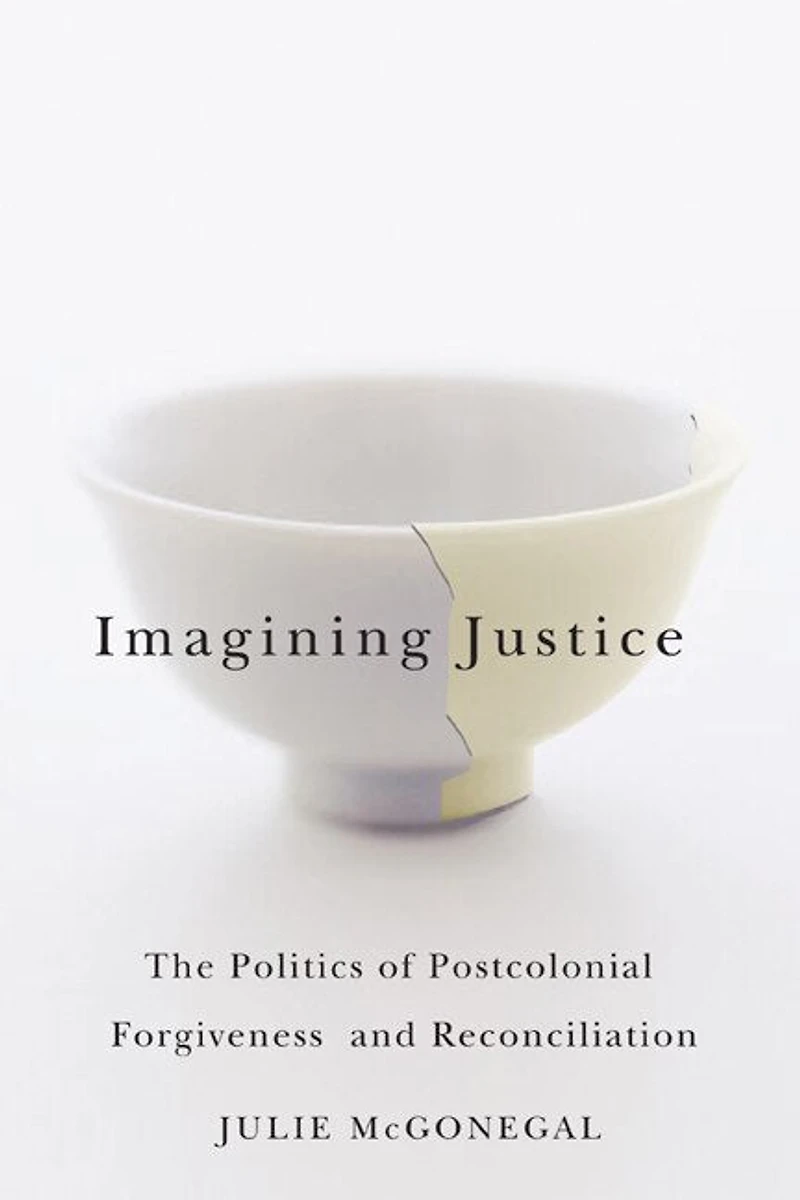
Imagining Justice: The Politics of Postcolonial Forgiveness and Reconciliation
Current price: $125.00

Imagining Justice: The Politics of Postcolonial Forgiveness and Reconciliation
Current price: $125.00
Loading Inventory...
Size: Hardcover
*Product information may vary - to confirm product availability, pricing, shipping and return information please contact Indigo
Drawing on critical and theoretical material by thinkers as diverse as Jacques Derrida, Frantz Fanon, Mahatma Ghandi, and Julia Kristeva, Julie McGonegal supplements indigenous models and approaches with those produced within Euro American discourse. In the process, she develops an understanding of forgiveness and reconciliation based on the interventive power of literature. Through insightful readings of four novels, McGonegal demonstrates the ways in which literature can create the conditions that make processes of postcolonial reconciliation possible.
The first book to approach the political demands for reconciliation from the perspective of postcolonial literary criticism and theory, Imagining Justice demonstrates that reading can have potentially radical social and political effects. While the primary focus is on literary texts, the issues at stake are germane to historians, political scientists, theologians, and sociologists.
Drawing on critical and theoretical material by thinkers as diverse as Jacques Derrida, Frantz Fanon, Mahatma Ghandi, and Julia Kristeva, Julie McGonegal supplements indigenous models and approaches with those produced within Euro American discourse. In the process, she develops an understanding of forgiveness and reconciliation based on the interventive power of literature. Through insightful readings of four novels, McGonegal demonstrates the ways in which literature can create the conditions that make processes of postcolonial reconciliation possible.
The first book to approach the political demands for reconciliation from the perspective of postcolonial literary criticism and theory, Imagining Justice demonstrates that reading can have potentially radical social and political effects. While the primary focus is on literary texts, the issues at stake are germane to historians, political scientists, theologians, and sociologists.
You May Also Like










More About Indigo at Erin Mills Town Centre
The largest book retailer in Canada also offers toys, music, home décor, gifts and lifestyle products. What's Inside...Books, Magazines, CD’s and DVD’s, Toys and Gifts, Home Accents, Electronics, Baby’s and Children’s Section, Bath and Body, Kitchen and Bedroom, Stationary Located outside in the exterior plaza.
5015 Glen Erin Dr, Mississauga, ON L5M 0R7, Canada
Find Indigo at Erin Mills Town Centre in Mississauga ON
Visit Indigo at Erin Mills Town Centre in Mississauga ON