

GIVE THE PERFECT GIFT
Erin Mills Town Centre Gift Cards are the perfect choice for your gift giving needs.Purchase gift cards at kiosks near the food court or centre court, at Guest Services, or click below to purchase online.PURCHASE HEREHome
Immanence and Illusion in Sartre's Ontology of Consciousness
Indigo
Loading Inventory...
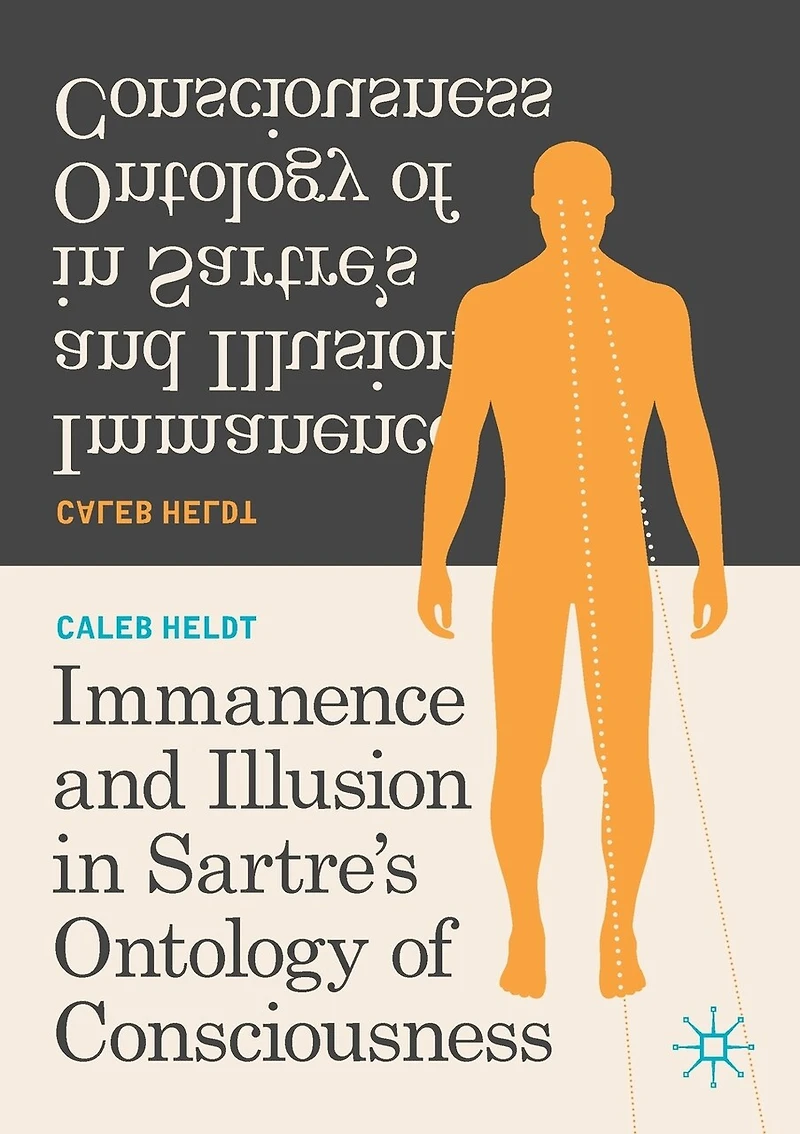
Immanence and Illusion in Sartre's Ontology of Consciousness
Current price: $80.50

Immanence and Illusion in Sartre's Ontology of Consciousness
Current price: $80.50
Loading Inventory...
Size: Paperback
*Product information may vary - to confirm product availability, pricing, shipping and return information please contact Indigo
This book is a critical re-evaluation of Jean-Paul Sartre's phenomenological ontology, in which a theory of egological complicity and self-deception informing his later better known theory of bad faith is developed. This novel reinterpretation offers a systematic challenge to orthodox apprehensions of Sartre's conceputualization of transcendental consciousness and the role that the ego plays within his account of pre-reflective consciousness. Heldt persuasively demonstrates how an adequate comprehension of Sartre's theories of negation and reflection can reveal the world as it appears to human consciousness as one in which our reality is capable of becoming littered with illusions. As the foundation upon which the rest of Sartre's philosophical project is built, it is essential that the phenomenological ontology of Sartre's early writings be interpreted with clarity. This book provides such a reinterpretation. In doing so, a philosophical inquiry emerges which is genuinely contemporary in its aim and scope and which seeks to demonstrate the significance of Sartre's thought, not only as significant to the history of philosophy, but to ongoing debates in continental philosophy and philosophy of mind.
This book is a critical re-evaluation of Jean-Paul Sartre's phenomenological ontology, in which a theory of egological complicity and self-deception informing his later better known theory of bad faith is developed. This novel reinterpretation offers a systematic challenge to orthodox apprehensions of Sartre's conceputualization of transcendental consciousness and the role that the ego plays within his account of pre-reflective consciousness. Heldt persuasively demonstrates how an adequate comprehension of Sartre's theories of negation and reflection can reveal the world as it appears to human consciousness as one in which our reality is capable of becoming littered with illusions. As the foundation upon which the rest of Sartre's philosophical project is built, it is essential that the phenomenological ontology of Sartre's early writings be interpreted with clarity. This book provides such a reinterpretation. In doing so, a philosophical inquiry emerges which is genuinely contemporary in its aim and scope and which seeks to demonstrate the significance of Sartre's thought, not only as significant to the history of philosophy, but to ongoing debates in continental philosophy and philosophy of mind.
You May Also Like









More About Indigo at Erin Mills Town Centre
The largest book retailer in Canada also offers toys, music, home décor, gifts and lifestyle products. What's Inside...Books, Magazines, CD’s and DVD’s, Toys and Gifts, Home Accents, Electronics, Baby’s and Children’s Section, Bath and Body, Kitchen and Bedroom, Stationary Located outside in the exterior plaza.
5015 Glen Erin Dr, Mississauga, ON L5M 0R7, Canada
Find Indigo at Erin Mills Town Centre in Mississauga ON
Visit Indigo at Erin Mills Town Centre in Mississauga ON