

GIVE THE PERFECT GIFT
Erin Mills Town Centre Gift Cards are the perfect choice for your gift giving needs.Purchase gift cards at kiosks near the food court or centre court, at Guest Services, or click below to purchase online.PURCHASE HEREHome
Immersive Learning Simulations in Aircraft Maintenance Training
Indigo
Loading Inventory...
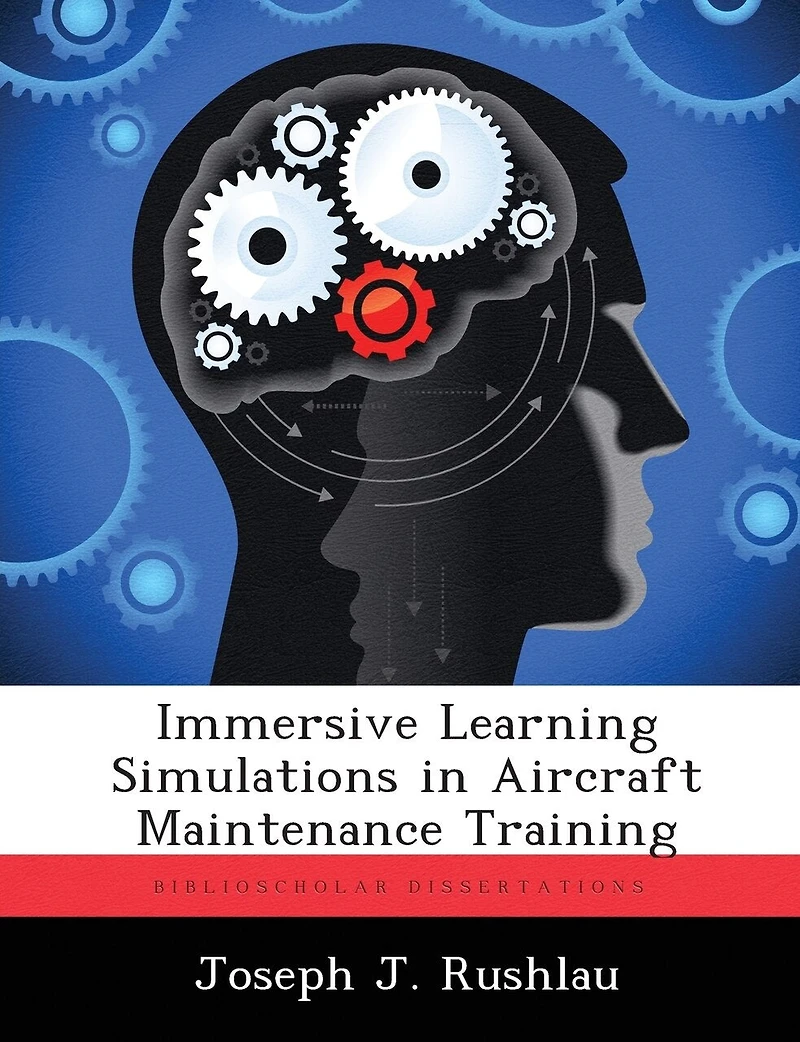
Immersive Learning Simulations in Aircraft Maintenance Training
Current price: $59.00

Immersive Learning Simulations in Aircraft Maintenance Training
Current price: $59.00
Loading Inventory...
Size: Paperback
*Product information may vary - to confirm product availability, pricing, shipping and return information please contact Indigo
This paper examines a relatively new computer based training system called Immersive Learning Simulation (ILS) which shows great signs of cutting training time. Many reasons exist to examine the question of whether or not ILS would save time and money if applied to aircraft maintenance training in the Air Force. For instance, using actual military aircraft to train maintenance technicians is a costly proposition. Although hands-on training is necessary, and will be for the foreseeable future, our current computer systems running ILS software could provide realistic training. Immersive Learning Simulation has the potential to provide cost savings, time savings, and increased aircraft and parts availability over more traditional methods of training.
This paper examines a relatively new computer based training system called Immersive Learning Simulation (ILS) which shows great signs of cutting training time. Many reasons exist to examine the question of whether or not ILS would save time and money if applied to aircraft maintenance training in the Air Force. For instance, using actual military aircraft to train maintenance technicians is a costly proposition. Although hands-on training is necessary, and will be for the foreseeable future, our current computer systems running ILS software could provide realistic training. Immersive Learning Simulation has the potential to provide cost savings, time savings, and increased aircraft and parts availability over more traditional methods of training.
You May Also Like







More About Indigo at Erin Mills Town Centre
The largest book retailer in Canada also offers toys, music, home décor, gifts and lifestyle products. What's Inside...Books, Magazines, CD’s and DVD’s, Toys and Gifts, Home Accents, Electronics, Baby’s and Children’s Section, Bath and Body, Kitchen and Bedroom, Stationary Located outside in the exterior plaza.
5015 Glen Erin Dr, Mississauga, ON L5M 0R7, Canada
Find Indigo at Erin Mills Town Centre in Mississauga ON
Visit Indigo at Erin Mills Town Centre in Mississauga ON