

GIVE THE PERFECT GIFT
Erin Mills Town Centre Gift Cards are the perfect choice for your gift giving needs.Purchase gift cards at kiosks near the food court or centre court, at Guest Services, or click below to purchase online.PURCHASE HEREHome
Impacts of Megaconferences on the Water Sector
Indigo
Loading Inventory...
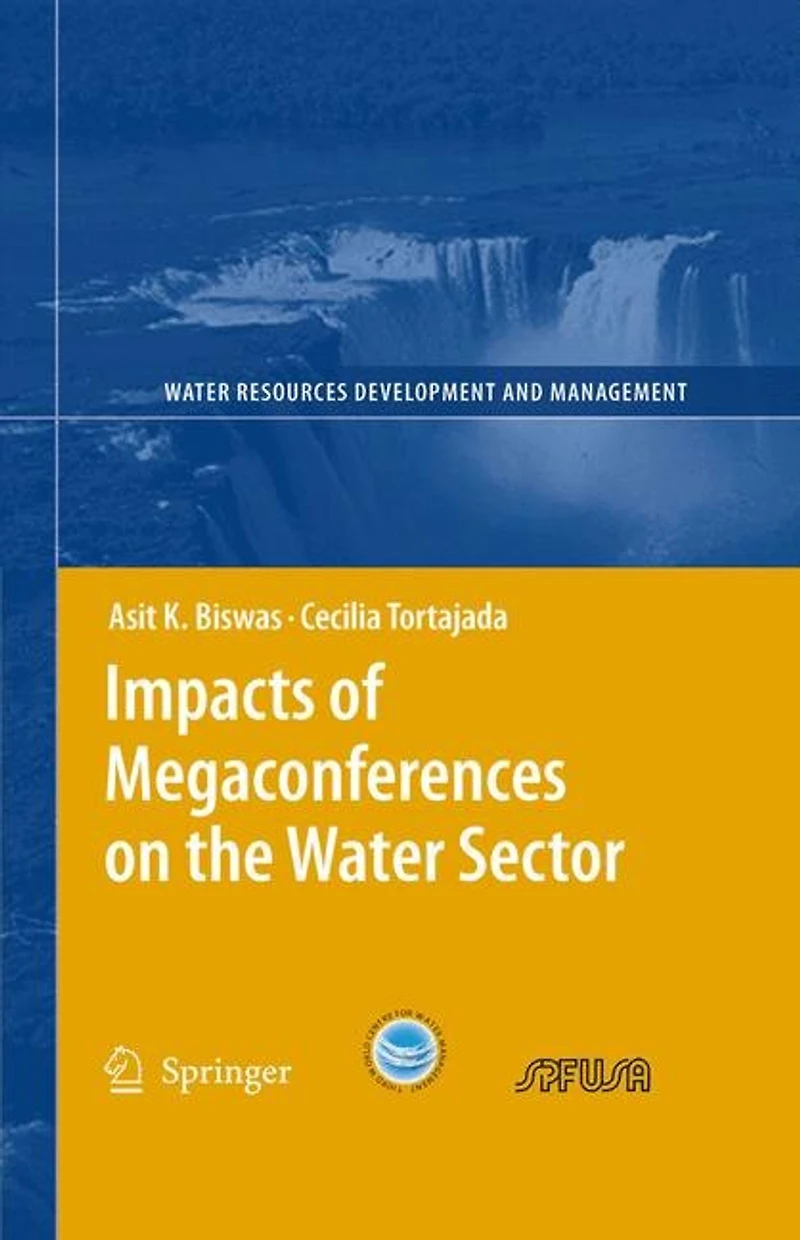
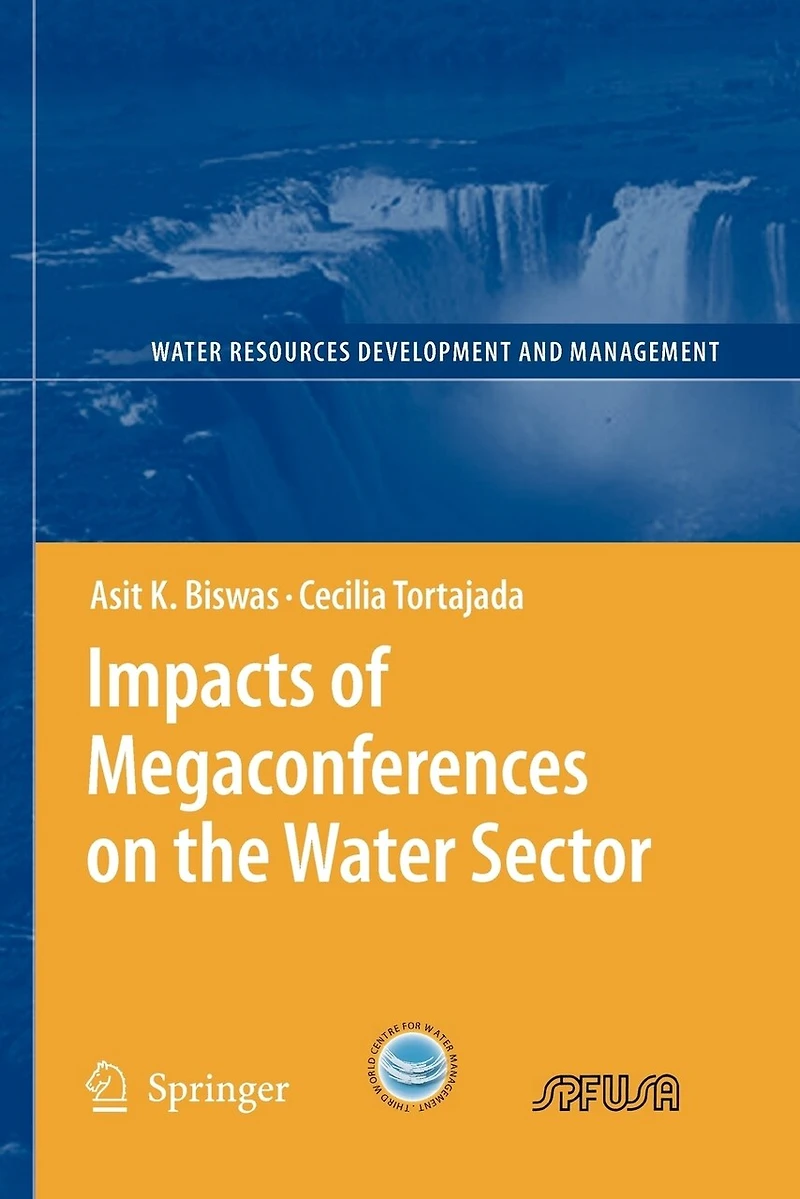
Impacts of Megaconferences on the Water Sector
Current price: $160.95

Impacts of Megaconferences on the Water Sector
Current price: $160.95
Loading Inventory...
Size: Hardcover
*Product information may vary - to confirm product availability, pricing, shipping and return information please contact Indigo
Since the late 1990s, megaconferences in the water-related sectors have become regular occurrences. The latest one, in Mexico City, in March 2006, is estimated to have cost a total of $205 million, and had 19,000+ participants. In spite of such huge costs and organizational efforts, not a single water megaconference has ever been seriously evaluated in terms of its overall impacts on the water sector. This book is the first pioneering study to assess the impacts of the megaconferences on water policies, programs and projects at global, regional and national levels. The results are bleak. The evaluation indicated that except for the UN Water Conference, held in Argentina in 1977, the impacts of the subsequent megaconferences have been at best marginal in terms of knowledge generation and application, poverty alleviation, environmental conservation and /or increasing availability of investments funds for the water sector.
Since the late 1990s, megaconferences in the water-related sectors have become regular occurrences. The latest one, in Mexico City, in March 2006, is estimated to have cost a total of $205 million, and had 19,000+ participants. In spite of such huge costs and organizational efforts, not a single water megaconference has ever been seriously evaluated in terms of its overall impacts on the water sector. This book is the first pioneering study to assess the impacts of the megaconferences on water policies, programs and projects at global, regional and national levels. The results are bleak. The evaluation indicated that except for the UN Water Conference, held in Argentina in 1977, the impacts of the subsequent megaconferences have been at best marginal in terms of knowledge generation and application, poverty alleviation, environmental conservation and /or increasing availability of investments funds for the water sector.
You May Also Like










More About Indigo at Erin Mills Town Centre
The largest book retailer in Canada also offers toys, music, home décor, gifts and lifestyle products. What's Inside...Books, Magazines, CD’s and DVD’s, Toys and Gifts, Home Accents, Electronics, Baby’s and Children’s Section, Bath and Body, Kitchen and Bedroom, Stationary Located outside in the exterior plaza.
5015 Glen Erin Dr, Mississauga, ON L5M 0R7, Canada
Find Indigo at Erin Mills Town Centre in Mississauga ON
Visit Indigo at Erin Mills Town Centre in Mississauga ON