

GIVE THE PERFECT GIFT
Erin Mills Town Centre Gift Cards are the perfect choice for your gift giving needs.Purchase gift cards at kiosks near the food court or centre court, at Guest Services, or click below to purchase online.PURCHASE HEREHome
Imperialism: A Study of the History, Politics and Economics of the Colonial Powers in Europe and America
Indigo
Loading Inventory...
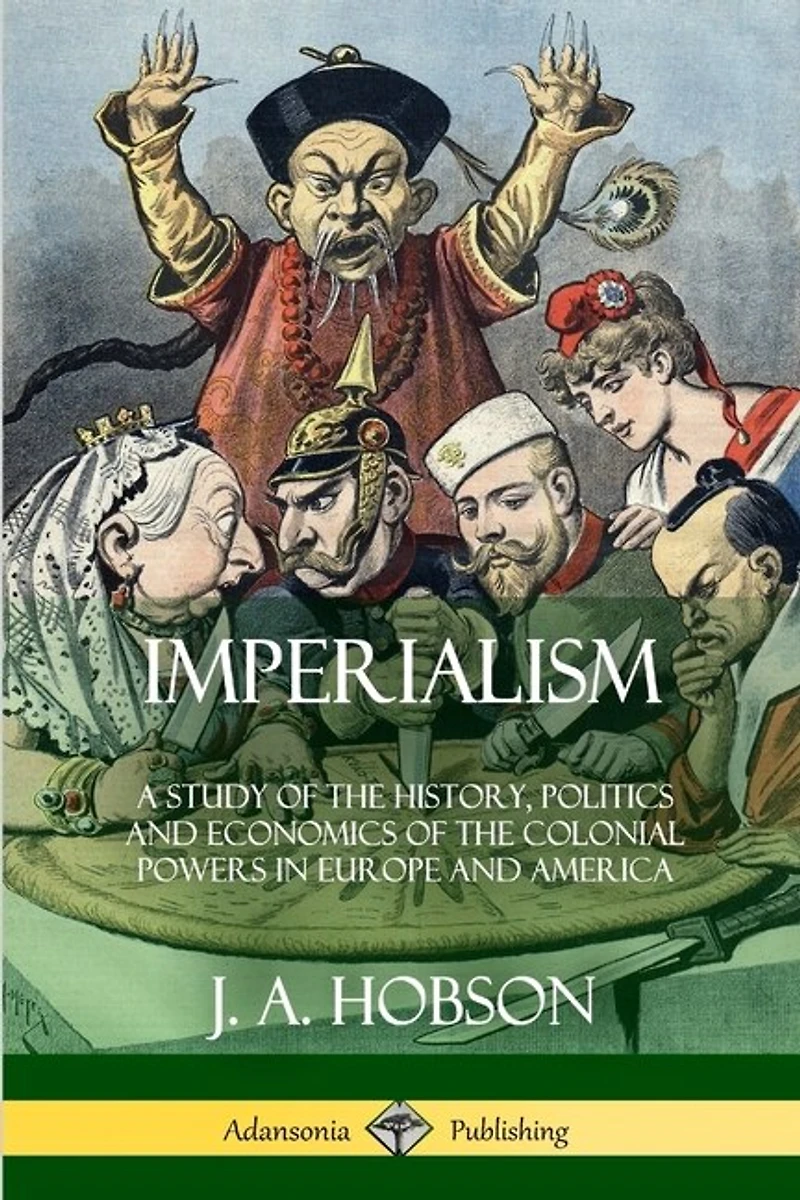
Imperialism: A Study of the History, Politics and Economics of the Colonial Powers in Europe and America
Current price: $23.50

Imperialism: A Study of the History, Politics and Economics of the Colonial Powers in Europe and America
Current price: $23.50
Loading Inventory...
Size: Paperback
*Product information may vary - to confirm product availability, pricing, shipping and return information please contact Indigo
J. A. Hobson's critical treatise on the practice of imperialism - whereby countries acquire territories for economic gain - is a classic in its field. This edition includes all of the author's original charts and illustrations. Published at the opening of the 20th century, while colonial imperialism still held decisive sway as a political and social practice, Hobson's treatise caused shockwaves in economics for its condemnation of a procedure long considered irreproachable. While Hobson acknowledges that imperialism is often supported by a sense of nationalistic pride and achievement - as with the British Empire's colonial imperialism - he identifies capitalist oligarchy as the true motivation behind imperialistic ventures. Owners of productive capital, such as factories, generate a large surplus which they desire to reinvest in further factories; this prompts imperialist expansion into foreign lands.
J. A. Hobson's critical treatise on the practice of imperialism - whereby countries acquire territories for economic gain - is a classic in its field. This edition includes all of the author's original charts and illustrations. Published at the opening of the 20th century, while colonial imperialism still held decisive sway as a political and social practice, Hobson's treatise caused shockwaves in economics for its condemnation of a procedure long considered irreproachable. While Hobson acknowledges that imperialism is often supported by a sense of nationalistic pride and achievement - as with the British Empire's colonial imperialism - he identifies capitalist oligarchy as the true motivation behind imperialistic ventures. Owners of productive capital, such as factories, generate a large surplus which they desire to reinvest in further factories; this prompts imperialist expansion into foreign lands.
You May Also Like







More About Indigo at Erin Mills Town Centre
The largest book retailer in Canada also offers toys, music, home décor, gifts and lifestyle products. What's Inside...Books, Magazines, CD’s and DVD’s, Toys and Gifts, Home Accents, Electronics, Baby’s and Children’s Section, Bath and Body, Kitchen and Bedroom, Stationary Located outside in the exterior plaza.
5015 Glen Erin Dr, Mississauga, ON L5M 0R7, Canada
Find Indigo at Erin Mills Town Centre in Mississauga ON
Visit Indigo at Erin Mills Town Centre in Mississauga ON