

GIVE THE PERFECT GIFT
Erin Mills Town Centre Gift Cards are the perfect choice for your gift giving needs.Purchase gift cards at kiosks near the food court or centre court, at Guest Services, or click below to purchase online.PURCHASE HEREHome
In Search of the Lost World: The Modernist Quest for the Thing, Matter
Indigo
Loading Inventory...
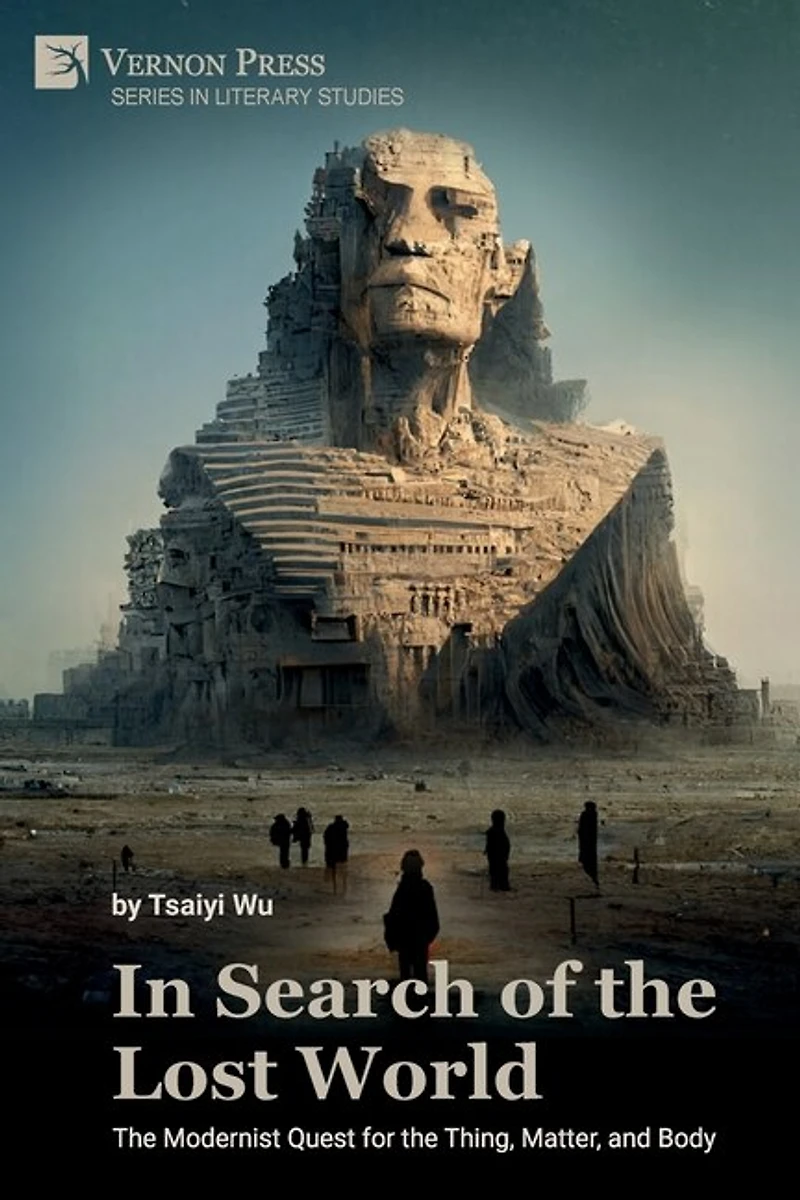
In Search of the Lost World: The Modernist Quest for the Thing, Matter
Current price: $28.87

In Search of the Lost World: The Modernist Quest for the Thing, Matter
Current price: $28.87
Loading Inventory...
Size: Paperback
*Product information may vary - to confirm product availability, pricing, shipping and return information please contact Indigo
From a historical perspective, the book studies how modernist artists, as the first generation who began to rethink intensively the legacy of German Idealism, sought to recreate the self so as to recreate their relationships with the material world. Theoretically, the book converses with the topical de-anthropocentric interests in the 21st century and proposes that the artist may escape human-centeredness through the transformation of the self.
Part One, "Artificiality," begins the discussion with the fin-de-siècle cult of artificiality, where artists such as Theophile Gautier, Charles Baudelaire, J.K. Huysmans, and Gustave Moreau dedicate themselves to love stony sphinxes, marble statues, and inorganic appearances. The cult of artificiality is a mischievous subversion to Hegel's maxim that inwardness is superior to matter. In the cult of artificiality, art is superior to nature, though art is no longer defined as immaterial imagination but rather reconfigured as mysterious appearances that defy signification and subjugate the feeling heart.
Part Two, "Auto-philosophical Fiction," discusses the genre where the artists (Marcel Proust, Walter Pater, and Virginia Woolf) set philosophical ideas in the laboratory of their lives and therefore translate their aesthetic ideals-the way they wish to relate to the world-into a journey of self-examination and self-cultivation. In Pater's novel 'Marius the Epicurean', the hero explores how a philosophical percept may be translated into sentiments and actions, demonstrating that literature is a unique approach to truth as it renders theory into a transformative experience. Exploring the latest findings of empiricist psychology, the artists seek to escape the Kantian trap by cultivating their powers of reception and to register passing thoughts and sensations.
Together, the book argues that de-anthropocentrism cannot be predicated upon a metaphysics that presumes universal subjectivity but must be a form of aesthetic inquiry that recreates the self in order to recreate our relationships with the world.
From a historical perspective, the book studies how modernist artists, as the first generation who began to rethink intensively the legacy of German Idealism, sought to recreate the self so as to recreate their relationships with the material world. Theoretically, the book converses with the topical de-anthropocentric interests in the 21st century and proposes that the artist may escape human-centeredness through the transformation of the self.
Part One, "Artificiality," begins the discussion with the fin-de-siècle cult of artificiality, where artists such as Theophile Gautier, Charles Baudelaire, J.K. Huysmans, and Gustave Moreau dedicate themselves to love stony sphinxes, marble statues, and inorganic appearances. The cult of artificiality is a mischievous subversion to Hegel's maxim that inwardness is superior to matter. In the cult of artificiality, art is superior to nature, though art is no longer defined as immaterial imagination but rather reconfigured as mysterious appearances that defy signification and subjugate the feeling heart.
Part Two, "Auto-philosophical Fiction," discusses the genre where the artists (Marcel Proust, Walter Pater, and Virginia Woolf) set philosophical ideas in the laboratory of their lives and therefore translate their aesthetic ideals-the way they wish to relate to the world-into a journey of self-examination and self-cultivation. In Pater's novel 'Marius the Epicurean', the hero explores how a philosophical percept may be translated into sentiments and actions, demonstrating that literature is a unique approach to truth as it renders theory into a transformative experience. Exploring the latest findings of empiricist psychology, the artists seek to escape the Kantian trap by cultivating their powers of reception and to register passing thoughts and sensations.
Together, the book argues that de-anthropocentrism cannot be predicated upon a metaphysics that presumes universal subjectivity but must be a form of aesthetic inquiry that recreates the self in order to recreate our relationships with the world.
You May Also Like








More About Indigo at Erin Mills Town Centre
The largest book retailer in Canada also offers toys, music, home décor, gifts and lifestyle products. What's Inside...Books, Magazines, CD’s and DVD’s, Toys and Gifts, Home Accents, Electronics, Baby’s and Children’s Section, Bath and Body, Kitchen and Bedroom, Stationary Located outside in the exterior plaza.
5015 Glen Erin Dr, Mississauga, ON L5M 0R7, Canada
Find Indigo at Erin Mills Town Centre in Mississauga ON
Visit Indigo at Erin Mills Town Centre in Mississauga ON