

GIVE THE PERFECT GIFT
Erin Mills Town Centre Gift Cards are the perfect choice for your gift giving needs.Purchase gift cards at kiosks near the food court or centre court, at Guest Services, or click below to purchase online.PURCHASE HEREHome
In Search of the Perfect Romanian: National Specificity, Racial Degeneration, and Social Selection in Modern Romania
Indigo
Loading Inventory...
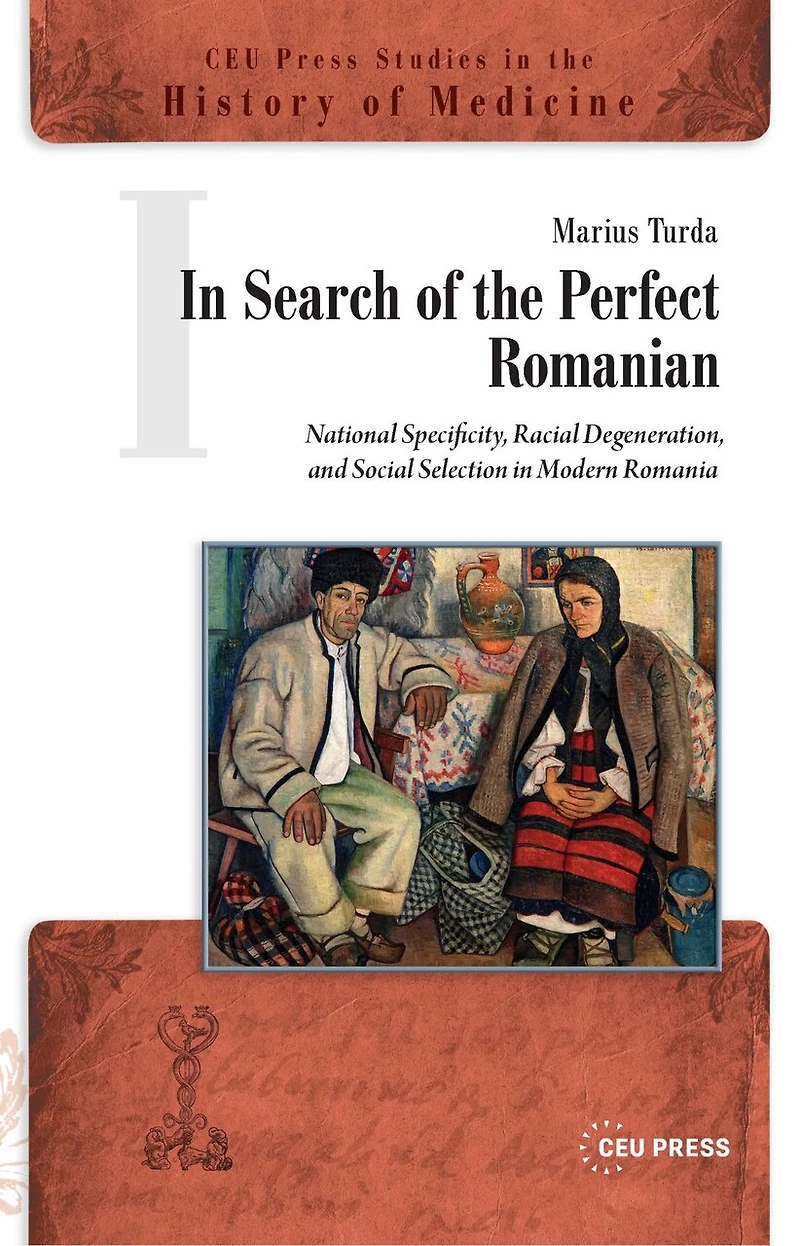
In Search of the Perfect Romanian: National Specificity, Racial Degeneration, and Social Selection in Modern Romania
Current price: $260.50

In Search of the Perfect Romanian: National Specificity, Racial Degeneration, and Social Selection in Modern Romania
Current price: $260.50
Loading Inventory...
Size: Hardcover
*Product information may vary - to confirm product availability, pricing, shipping and return information please contact Indigo
The book centers on debates about the Romanian national character and race between 1880s and 1950s. It also argues that during the early 1940s anti-Semitism and anti-Roma racism contributed directly to the programme of ethnic purification pursued by the Antonescu regime. Racism and eugenics explain not just the deportation and murder of the Jews but also the deportation and murder of the Roma. The Holocaust in Romania should therefore be understood as the result not just of anti-Semitism but also of biopolitical nationalism. Finally, the book suggests that the eugenic ideal of the ‘perfect’ Romanian did not disappear in 1945 but was embedded in the socialist definitions of the ‘new man’ and ‘perfect’ society emerging under communism.
The book centers on debates about the Romanian national character and race between 1880s and 1950s. It also argues that during the early 1940s anti-Semitism and anti-Roma racism contributed directly to the programme of ethnic purification pursued by the Antonescu regime. Racism and eugenics explain not just the deportation and murder of the Jews but also the deportation and murder of the Roma. The Holocaust in Romania should therefore be understood as the result not just of anti-Semitism but also of biopolitical nationalism. Finally, the book suggests that the eugenic ideal of the ‘perfect’ Romanian did not disappear in 1945 but was embedded in the socialist definitions of the ‘new man’ and ‘perfect’ society emerging under communism.
You May Also Like















More About Indigo at Erin Mills Town Centre
The largest book retailer in Canada also offers toys, music, home décor, gifts and lifestyle products. What's Inside...Books, Magazines, CD’s and DVD’s, Toys and Gifts, Home Accents, Electronics, Baby’s and Children’s Section, Bath and Body, Kitchen and Bedroom, Stationary Located outside in the exterior plaza.
5015 Glen Erin Dr, Mississauga, ON L5M 0R7, Canada
Find Indigo at Erin Mills Town Centre in Mississauga ON
Visit Indigo at Erin Mills Town Centre in Mississauga ON