

GIVE THE PERFECT GIFT
Erin Mills Town Centre Gift Cards are the perfect choice for your gift giving needs.Purchase gift cards at kiosks near the food court or centre court, at Guest Services, or click below to purchase online.PURCHASE HEREHome
India and Europe in the Global Eighteenth Century
Indigo
Loading Inventory...
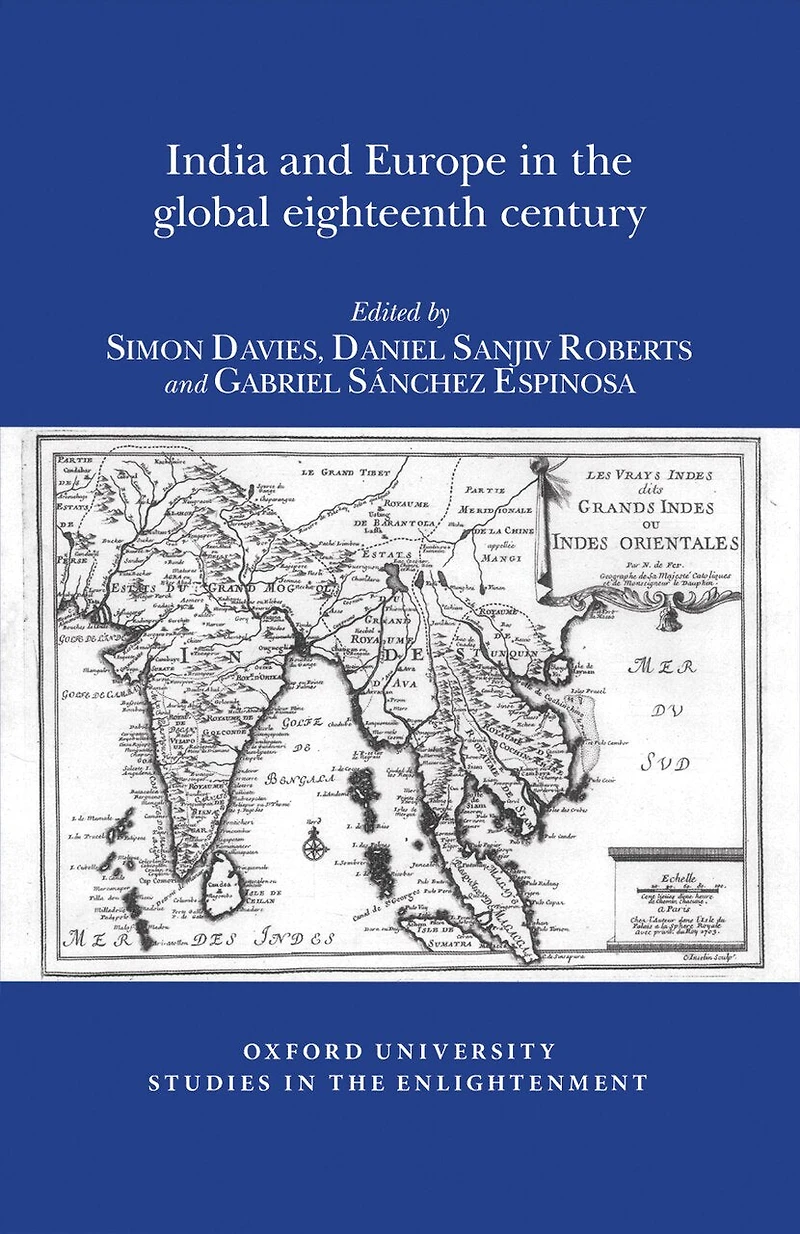
India and Europe in the Global Eighteenth Century
Current price: $147.95

India and Europe in the Global Eighteenth Century
Current price: $147.95
Loading Inventory...
Size: Paperback
*Product information may vary - to confirm product availability, pricing, shipping and return information please contact Indigo
The long eighteenth century was a period of major transformation for Europe and India as imperialism heralded a new global order. Eschewing the reductive perspectives of nation-state histories and postcolonial ‘east vs west’ oppositions, contributors to India and Europe in the global eighteenth century put forward a more nuanced and interdisciplinary analysis. Using eastern as well as western sources, authors present fresh insights into European and Indian relations and highlight: how anxieties over war and piracy shaped commercial activity; how French, British and Persian histories of India reveal the different geo-political issues at stake; the material legacy of India in European cultural life; how novels parodied popular views of the Orient and provided counter-narratives to images of India as the site of corruption; how social transformations, traditionally characterised as ‘Mughal decline’, in effect forged new global connections that informed political culture into the nineteenth century.
The long eighteenth century was a period of major transformation for Europe and India as imperialism heralded a new global order. Eschewing the reductive perspectives of nation-state histories and postcolonial ‘east vs west’ oppositions, contributors to India and Europe in the global eighteenth century put forward a more nuanced and interdisciplinary analysis. Using eastern as well as western sources, authors present fresh insights into European and Indian relations and highlight: how anxieties over war and piracy shaped commercial activity; how French, British and Persian histories of India reveal the different geo-political issues at stake; the material legacy of India in European cultural life; how novels parodied popular views of the Orient and provided counter-narratives to images of India as the site of corruption; how social transformations, traditionally characterised as ‘Mughal decline’, in effect forged new global connections that informed political culture into the nineteenth century.
You May Also Like







More About Indigo at Erin Mills Town Centre
The largest book retailer in Canada also offers toys, music, home décor, gifts and lifestyle products. What's Inside...Books, Magazines, CD’s and DVD’s, Toys and Gifts, Home Accents, Electronics, Baby’s and Children’s Section, Bath and Body, Kitchen and Bedroom, Stationary Located outside in the exterior plaza.
5015 Glen Erin Dr, Mississauga, ON L5M 0R7, Canada
Find Indigo at Erin Mills Town Centre in Mississauga ON
Visit Indigo at Erin Mills Town Centre in Mississauga ON