

GIVE THE PERFECT GIFT
Erin Mills Town Centre Gift Cards are the perfect choice for your gift giving needs.Purchase gift cards at kiosks near the food court or centre court, at Guest Services, or click below to purchase online.PURCHASE HEREHome
Infinite Intruder
Indigo
Loading Inventory...
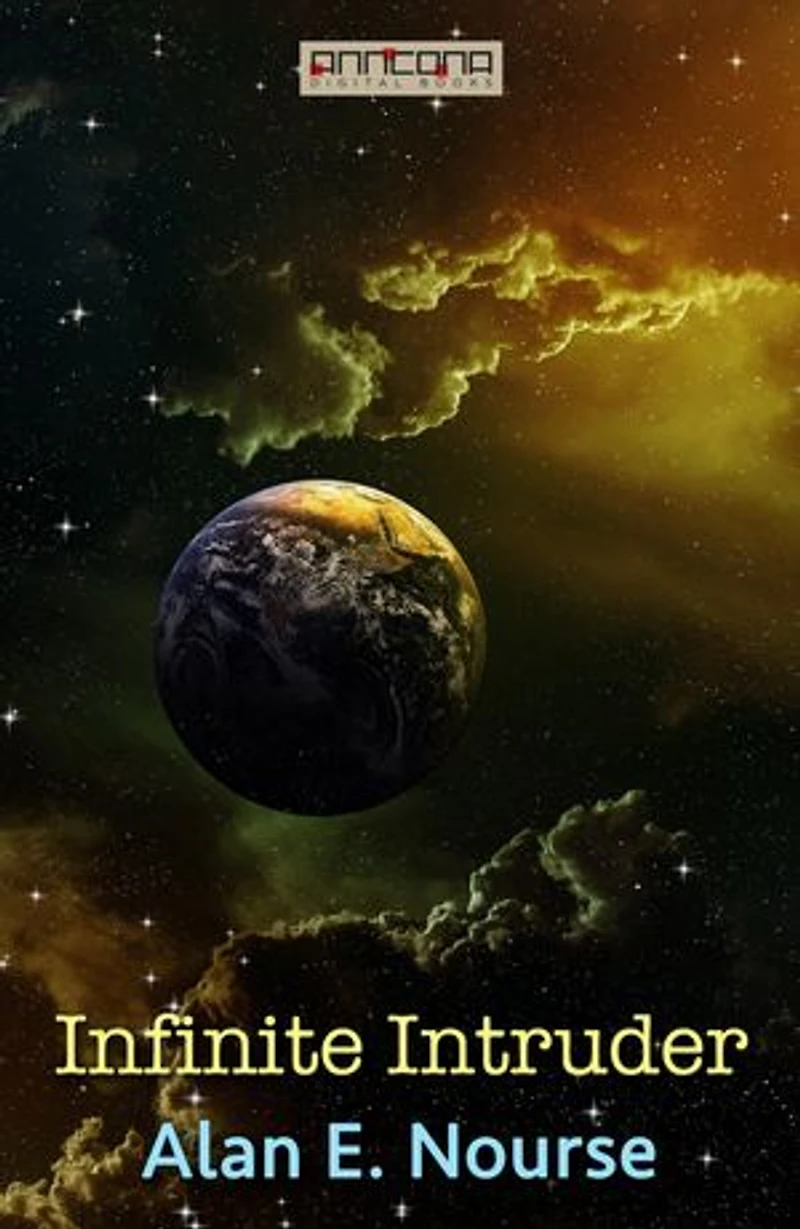
Infinite Intruder
Current price: $2.16

Infinite Intruder
Current price: $2.16
Loading Inventory...
Size: Kobo eBook
*Product information may vary - to confirm product availability, pricing, shipping and return information please contact Indigo
Infinite Intruder is a 1953 science fiction short story by Alan E. Nourse.
When Roger Strang found that someone was killing his son—killing him horribly and often—he started investigating.
He wasn't prepared to find the results of another investigation—this time about his own life.
Infinite Intruder was first published in Space Science Fiction July 1953.
Alan Edward Nourse (1928-1992) was an American science fiction author and physician. He wrote both juvenile and adult science fiction, as well as nonfiction works about medicine and science. His SF works generally focused on medicine and/or psionics. Psionics refers to the practice, study, or psychic ability of using the mind to induce paranormal phenomena. Examples of this include telepathy, telekinesis, and other workings of the outside world through the psyche.
His novel The Bladerunner lent its name to the Blade Runner movie, but no other aspects of its plot or characters, which were taken from Philip K. Dick's Do Androids Dream of Electric Sheep?
Infinite Intruder is a 1953 science fiction short story by Alan E. Nourse.
When Roger Strang found that someone was killing his son—killing him horribly and often—he started investigating.
He wasn't prepared to find the results of another investigation—this time about his own life.
Infinite Intruder was first published in Space Science Fiction July 1953.
Alan Edward Nourse (1928-1992) was an American science fiction author and physician. He wrote both juvenile and adult science fiction, as well as nonfiction works about medicine and science. His SF works generally focused on medicine and/or psionics. Psionics refers to the practice, study, or psychic ability of using the mind to induce paranormal phenomena. Examples of this include telepathy, telekinesis, and other workings of the outside world through the psyche.
His novel The Bladerunner lent its name to the Blade Runner movie, but no other aspects of its plot or characters, which were taken from Philip K. Dick's Do Androids Dream of Electric Sheep?
You May Also Like










More About Indigo at Erin Mills Town Centre
The largest book retailer in Canada also offers toys, music, home décor, gifts and lifestyle products. What's Inside...Books, Magazines, CD’s and DVD’s, Toys and Gifts, Home Accents, Electronics, Baby’s and Children’s Section, Bath and Body, Kitchen and Bedroom, Stationary Located outside in the exterior plaza.
5015 Glen Erin Dr, Mississauga, ON L5M 0R7, Canada
Find Indigo at Erin Mills Town Centre in Mississauga ON
Visit Indigo at Erin Mills Town Centre in Mississauga ON