

GIVE THE PERFECT GIFT
Erin Mills Town Centre Gift Cards are the perfect choice for your gift giving needs.Purchase gift cards at kiosks near the food court or centre court, at Guest Services, or click below to purchase online.PURCHASE HEREHome
Informality, Labour Mobility and Precariousness: Supplementing the State for the Invisible and the Vulnerable
Indigo
Loading Inventory...
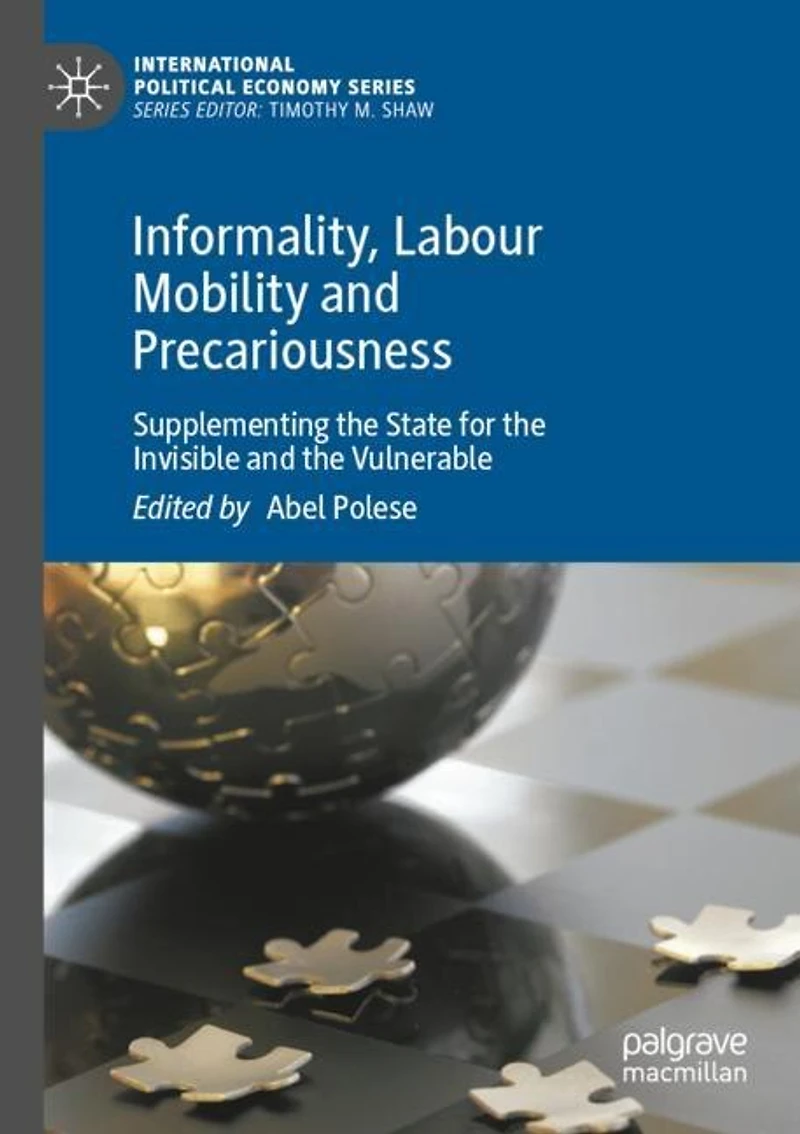
Informality, Labour Mobility and Precariousness: Supplementing the State for the Invisible and the Vulnerable
Current price: $189.95

Informality, Labour Mobility and Precariousness: Supplementing the State for the Invisible and the Vulnerable
Current price: $189.95
Loading Inventory...
Size: Paperback
*Product information may vary - to confirm product availability, pricing, shipping and return information please contact Indigo
From the erosion of state legitimacy in Lebanon to the use of smartphones in Kyrgyzstan, from a Polish suburb to the music scene in Azerbaijan, this volume attempts to explain why, in a variety of world regions, a substantial number of people tend to ignore or act against state rules. We propose to look at informality beyond simplistic associations of the phenomenon with a single category such as "informal labour" or "corruption". By doing this, we propose to look for a correlation between the emergence, and persistence, of some informal practices and the quality of governance in a given area. We also suggest that a better understanding of the variety of informal practices present in a region can help conceptualising more adequate interventions and eventually improve the socio-economic conditions of its inhabitants.
From the erosion of state legitimacy in Lebanon to the use of smartphones in Kyrgyzstan, from a Polish suburb to the music scene in Azerbaijan, this volume attempts to explain why, in a variety of world regions, a substantial number of people tend to ignore or act against state rules. We propose to look at informality beyond simplistic associations of the phenomenon with a single category such as "informal labour" or "corruption". By doing this, we propose to look for a correlation between the emergence, and persistence, of some informal practices and the quality of governance in a given area. We also suggest that a better understanding of the variety of informal practices present in a region can help conceptualising more adequate interventions and eventually improve the socio-economic conditions of its inhabitants.
You May Also Like










More About Indigo at Erin Mills Town Centre
The largest book retailer in Canada also offers toys, music, home décor, gifts and lifestyle products. What's Inside...Books, Magazines, CD’s and DVD’s, Toys and Gifts, Home Accents, Electronics, Baby’s and Children’s Section, Bath and Body, Kitchen and Bedroom, Stationary Located outside in the exterior plaza.
5015 Glen Erin Dr, Mississauga, ON L5M 0R7, Canada
Find Indigo at Erin Mills Town Centre in Mississauga ON
Visit Indigo at Erin Mills Town Centre in Mississauga ON