

GIVE THE PERFECT GIFT
Erin Mills Town Centre Gift Cards are the perfect choice for your gift giving needs.Purchase gift cards at kiosks near the food court or centre court, at Guest Services, or click below to purchase online.PURCHASE HEREHome
Information Structure in Sign Languages: Evidence from Russian Sign Language and Sign Language of the Netherlands
Indigo
Loading Inventory...
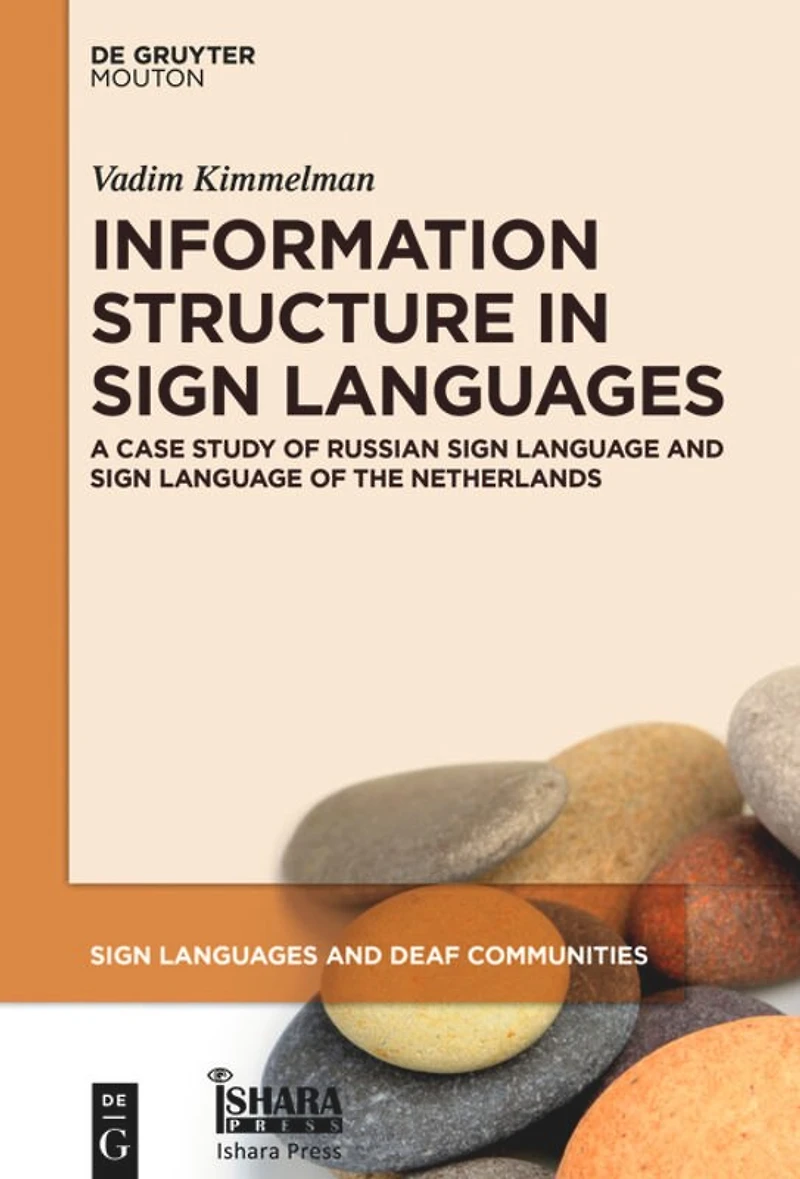
Information Structure in Sign Languages: Evidence from Russian Sign Language and Sign Language of the Netherlands
Current price: $220.99

Information Structure in Sign Languages: Evidence from Russian Sign Language and Sign Language of the Netherlands
Current price: $220.99
Loading Inventory...
Size: Hardcover
*Product information may vary - to confirm product availability, pricing, shipping and return information please contact Indigo
This book presents a first comprehensive overview of existing research on information structure in sign languages. Furthermore, it is combined with novel in-depth studies of Russian Sign Language and Sign Language of the Netherlands. The book discusses how topic, focus, and contrast are marked in the visual modality and what implications this has for theoretical and typological study of information structure. Such issues as syntactic and prosodic markers of information structure and their interactions, relations between different notions of information structure, and grammaticalization of markers of information structure are highlighted. Empirical studies of the two sign languages also showcase different methodologies that are used in such research and discuss their advantages and disadvantages. The book contains a general introduction to the field of information structure and thus can be used by linguists new to the field.
This book presents a first comprehensive overview of existing research on information structure in sign languages. Furthermore, it is combined with novel in-depth studies of Russian Sign Language and Sign Language of the Netherlands. The book discusses how topic, focus, and contrast are marked in the visual modality and what implications this has for theoretical and typological study of information structure. Such issues as syntactic and prosodic markers of information structure and their interactions, relations between different notions of information structure, and grammaticalization of markers of information structure are highlighted. Empirical studies of the two sign languages also showcase different methodologies that are used in such research and discuss their advantages and disadvantages. The book contains a general introduction to the field of information structure and thus can be used by linguists new to the field.
You May Also Like











More About Indigo at Erin Mills Town Centre
The largest book retailer in Canada also offers toys, music, home décor, gifts and lifestyle products. What's Inside...Books, Magazines, CD’s and DVD’s, Toys and Gifts, Home Accents, Electronics, Baby’s and Children’s Section, Bath and Body, Kitchen and Bedroom, Stationary Located outside in the exterior plaza.
5015 Glen Erin Dr, Mississauga, ON L5M 0R7, Canada
Find Indigo at Erin Mills Town Centre in Mississauga ON
Visit Indigo at Erin Mills Town Centre in Mississauga ON