

GIVE THE PERFECT GIFT
Erin Mills Town Centre Gift Cards are the perfect choice for your gift giving needs.Purchase gift cards at kiosks near the food court or centre court, at Guest Services, or click below to purchase online.PURCHASE HEREHome
Informed Urban Environments: Data-Integrated Design for Human and Ecology-Centred Perspectives
Indigo
Loading Inventory...
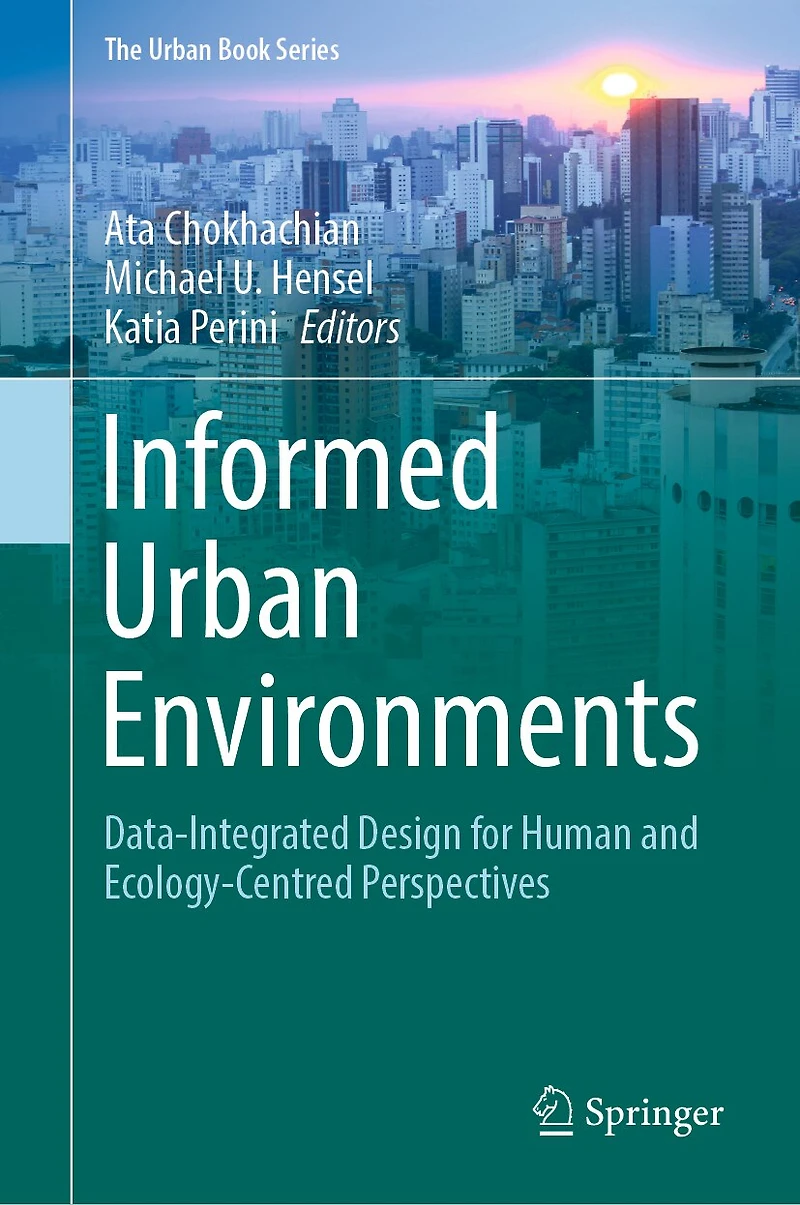
Informed Urban Environments: Data-Integrated Design for Human and Ecology-Centred Perspectives
Current price: $204.50

Informed Urban Environments: Data-Integrated Design for Human and Ecology-Centred Perspectives
Current price: $204.50
Loading Inventory...
Size: Hardcover
*Product information may vary - to confirm product availability, pricing, shipping and return information please contact Indigo
This book collects ground-breaking works on the actual and potential impact of big data and data-integrated design for resilient urban environments, including human- and ecology-centred perspectives. Comprehending and designing for urban social, demographic and environmental change is a complex task. Big data, data structuring, data analysis (i.e. AI and ML) and data-integrated design can play a significant role in advancing approaches to this task. The themes presented in this book include urban adaptation, urban morphology, urban mobility, urban ecosystems, urban climate, urban ecology and agriculture. Given the compound nature of complex sustainability problems, most chapters address the correlation between several of these themes. The book addresses practitioners, researchers and graduate students concerned with the rapidly increasing role of data in developing urban environments.
This book collects ground-breaking works on the actual and potential impact of big data and data-integrated design for resilient urban environments, including human- and ecology-centred perspectives. Comprehending and designing for urban social, demographic and environmental change is a complex task. Big data, data structuring, data analysis (i.e. AI and ML) and data-integrated design can play a significant role in advancing approaches to this task. The themes presented in this book include urban adaptation, urban morphology, urban mobility, urban ecosystems, urban climate, urban ecology and agriculture. Given the compound nature of complex sustainability problems, most chapters address the correlation between several of these themes. The book addresses practitioners, researchers and graduate students concerned with the rapidly increasing role of data in developing urban environments.
You May Also Like












More About Indigo at Erin Mills Town Centre
The largest book retailer in Canada also offers toys, music, home décor, gifts and lifestyle products. What's Inside...Books, Magazines, CD’s and DVD’s, Toys and Gifts, Home Accents, Electronics, Baby’s and Children’s Section, Bath and Body, Kitchen and Bedroom, Stationary Located outside in the exterior plaza.
5015 Glen Erin Dr, Mississauga, ON L5M 0R7, Canada
Find Indigo at Erin Mills Town Centre in Mississauga ON
Visit Indigo at Erin Mills Town Centre in Mississauga ON