

GIVE THE PERFECT GIFT
Erin Mills Town Centre Gift Cards are the perfect choice for your gift giving needs.Purchase gift cards at kiosks near the food court or centre court, at Guest Services, or click below to purchase online.PURCHASE HEREHome
Innovation Banking and Financial Intermediaries: The Disruptive Role of ESG Policies Fintech Players
Indigo
Loading Inventory...
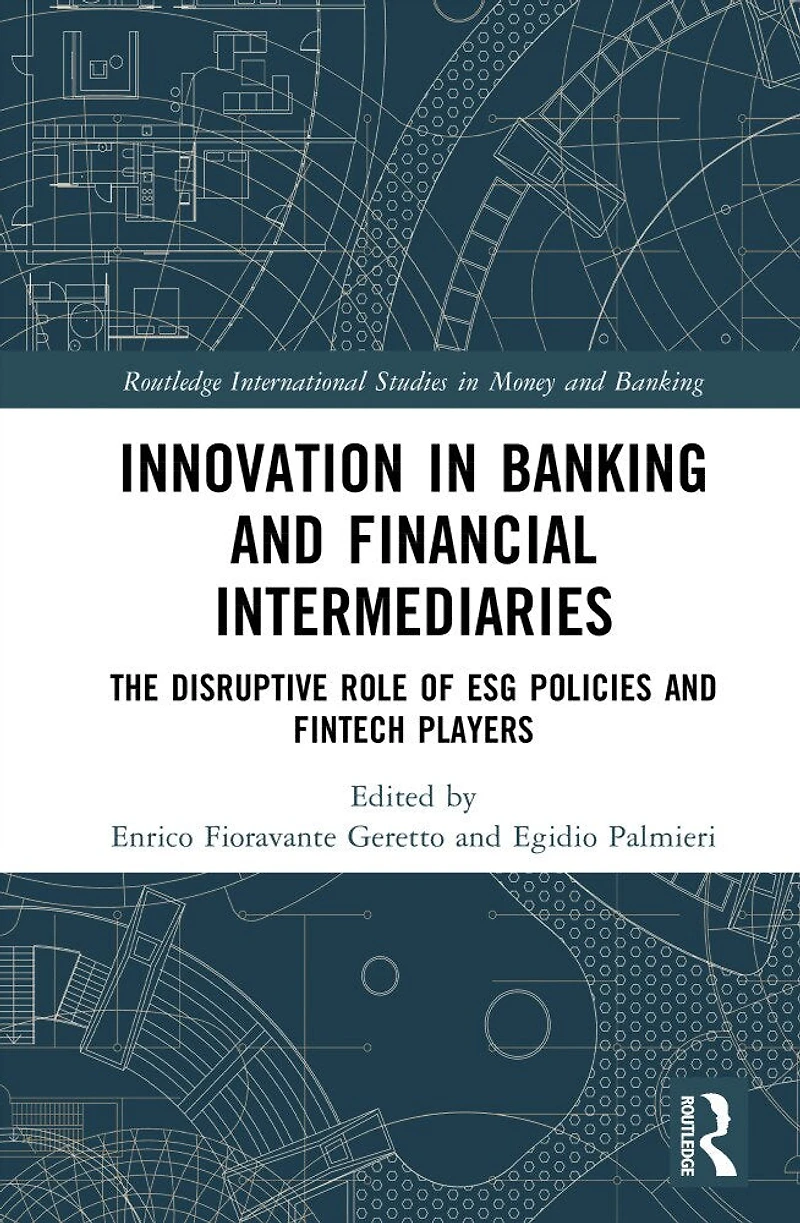
Innovation Banking and Financial Intermediaries: The Disruptive Role of ESG Policies Fintech Players
Current price: $296.50

Innovation Banking and Financial Intermediaries: The Disruptive Role of ESG Policies Fintech Players
Current price: $296.50
Loading Inventory...
Size: Hardcover
*Product information may vary - to confirm product availability, pricing, shipping and return information please contact Indigo
This volume provides a thorough examination of the drivers of recent innovations in the financial sector. The book's distinctive feature lies in its unique integration of two subjects of particular relevance in the fields of finance and banking: Environmental, Social and Governance (ESG) policies and Fintech innovations. This integration provides a comprehensive perspective on their interdependent influence and implications for financial intermediaries and the financial sector. The book offers an analysis of the theoretical and empirical essentials behind these transformations, including empirical analyses of the bank-specific impact of ESG factors on ratings, loan quality and internal control systems. While facilitating broader research regarding sustainable finance and providing essential findings for those hoping to comprehend and implement the aforementioned strategies into practice, the volume showcases the increasing significance of environmental issues in financial decision-making. Finally, the book addresses the way financial technology innovations are causing disruption to so-called "traditional" credit markets and affecting banking stability in general. It offers a comparison of green and brown Fintech, examining their safety and sustainability dimensions, and discuss the trade-off between progress and the need for responsibility. This work serves to bridge a significant gap between theoretical and practical approaches, providing findings and implications for researchers and academics studying finance, technology and sustainability. Through multiple methodologies, the authors explore changes related to ESG and Fintech, facilitating deeper understanding of their operational implications and significance.
This volume provides a thorough examination of the drivers of recent innovations in the financial sector. The book's distinctive feature lies in its unique integration of two subjects of particular relevance in the fields of finance and banking: Environmental, Social and Governance (ESG) policies and Fintech innovations. This integration provides a comprehensive perspective on their interdependent influence and implications for financial intermediaries and the financial sector. The book offers an analysis of the theoretical and empirical essentials behind these transformations, including empirical analyses of the bank-specific impact of ESG factors on ratings, loan quality and internal control systems. While facilitating broader research regarding sustainable finance and providing essential findings for those hoping to comprehend and implement the aforementioned strategies into practice, the volume showcases the increasing significance of environmental issues in financial decision-making. Finally, the book addresses the way financial technology innovations are causing disruption to so-called "traditional" credit markets and affecting banking stability in general. It offers a comparison of green and brown Fintech, examining their safety and sustainability dimensions, and discuss the trade-off between progress and the need for responsibility. This work serves to bridge a significant gap between theoretical and practical approaches, providing findings and implications for researchers and academics studying finance, technology and sustainability. Through multiple methodologies, the authors explore changes related to ESG and Fintech, facilitating deeper understanding of their operational implications and significance.
You May Also Like











More About Indigo at Erin Mills Town Centre
The largest book retailer in Canada also offers toys, music, home décor, gifts and lifestyle products. What's Inside...Books, Magazines, CD’s and DVD’s, Toys and Gifts, Home Accents, Electronics, Baby’s and Children’s Section, Bath and Body, Kitchen and Bedroom, Stationary Located outside in the exterior plaza.
5015 Glen Erin Dr, Mississauga, ON L5M 0R7, Canada
Find Indigo at Erin Mills Town Centre in Mississauga ON
Visit Indigo at Erin Mills Town Centre in Mississauga ON