

GIVE THE PERFECT GIFT
Erin Mills Town Centre Gift Cards are the perfect choice for your gift giving needs.Purchase gift cards at kiosks near the food court or centre court, at Guest Services, or click below to purchase online.PURCHASE HEREHome
Instructional Models Computer-Based Learning Environments
Indigo
Loading Inventory...
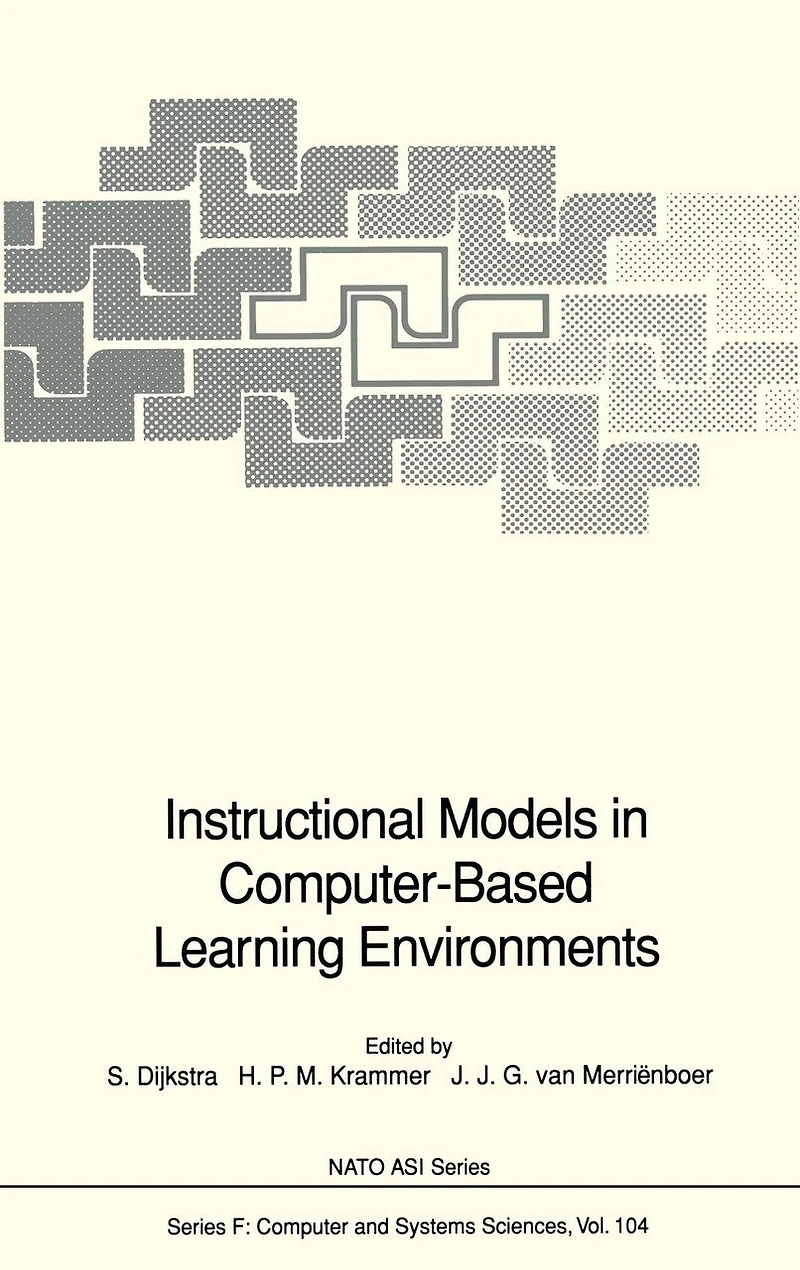
Instructional Models Computer-Based Learning Environments
Current price: $285.95

Instructional Models Computer-Based Learning Environments
Current price: $285.95
Loading Inventory...
Size: Hardcover
*Product information may vary - to confirm product availability, pricing, shipping and return information please contact Indigo
In the last decade there have been rapid developments in the field of computer-based learning environments. A whole new generation of computer-based learning environments has appeared, requiring new approaches to design and development. One main feature of current systems is that they distinguish different knowledge bases that are assumed to be necessary to support learning processes. Current computer-based learning environments often require explicit representations of large bodies of knowledge, including knowledge of instruction. This book focuses on instructional models as explicit, potentially implementable representations of knowledge concerning one or more aspects of instruction. The book has three parts, relating to different aspects of the knowledge that should be made explicit in instructional models: knowledge of instructional planning, knowledge of instructional strategies, and knowledge of instructional control. The book is based on a NATO Advanced Research Workshop held at the University of Twente, The Netherlands in July 1991.
In the last decade there have been rapid developments in the field of computer-based learning environments. A whole new generation of computer-based learning environments has appeared, requiring new approaches to design and development. One main feature of current systems is that they distinguish different knowledge bases that are assumed to be necessary to support learning processes. Current computer-based learning environments often require explicit representations of large bodies of knowledge, including knowledge of instruction. This book focuses on instructional models as explicit, potentially implementable representations of knowledge concerning one or more aspects of instruction. The book has three parts, relating to different aspects of the knowledge that should be made explicit in instructional models: knowledge of instructional planning, knowledge of instructional strategies, and knowledge of instructional control. The book is based on a NATO Advanced Research Workshop held at the University of Twente, The Netherlands in July 1991.
You May Also Like








More About Indigo at Erin Mills Town Centre
The largest book retailer in Canada also offers toys, music, home décor, gifts and lifestyle products. What's Inside...Books, Magazines, CD’s and DVD’s, Toys and Gifts, Home Accents, Electronics, Baby’s and Children’s Section, Bath and Body, Kitchen and Bedroom, Stationary Located outside in the exterior plaza.
5015 Glen Erin Dr, Mississauga, ON L5M 0R7, Canada
Find Indigo at Erin Mills Town Centre in Mississauga ON
Visit Indigo at Erin Mills Town Centre in Mississauga ON