

GIVE THE PERFECT GIFT
Erin Mills Town Centre Gift Cards are the perfect choice for your gift giving needs.Purchase gift cards at kiosks near the food court or centre court, at Guest Services, or click below to purchase online.PURCHASE HEREHome
Insulin Resistance - ECAB
Indigo
Loading Inventory...
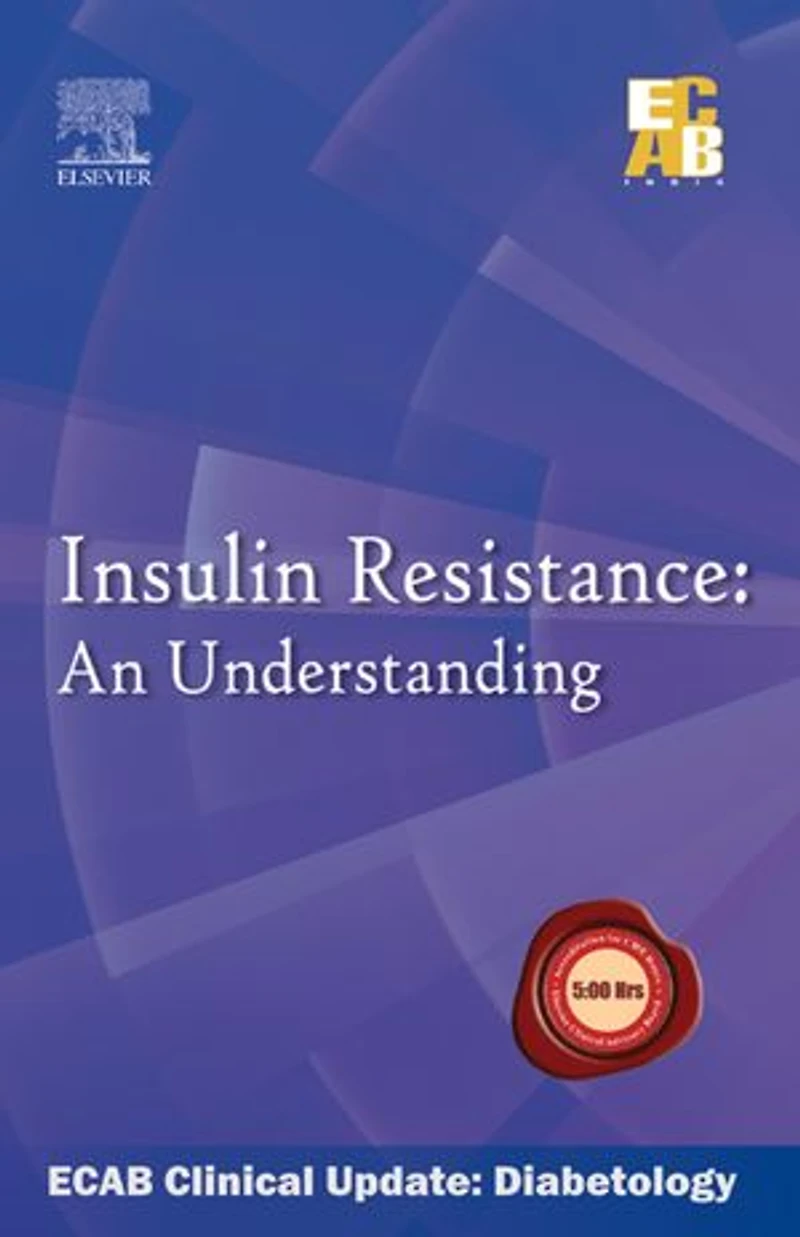
Insulin Resistance - ECAB
Current price: $9.89
Original price: $11.99

Insulin Resistance - ECAB
Current price: $9.89
Original price: $11.99
Loading Inventory...
Size: Kobo eBook
*Product information may vary - to confirm product availability, pricing, shipping and return information please contact Indigo
The insulin resistance syndrome can be defined as insulin resistance, compensatory hyperinsulinemia, and their associated co-morbidities. Clinically, the term insulin resistance syndrome describes a constellation of abnormalities such as obesity, hypertension, dyslipidemia, type 2 diabetes/hyperglycemia, and coronary artery disease. Insulin is responsible for glucose uptake into the body cells and tissues. The response of the cells to insulin varies from individual to individual. In some individuals, the tissue response to insulin may be diminished. This means that even with adequate levels of insulin, the glucose uptake into the cells and tissues is not optimal. This results in a compensatory over-secretion of insulin from the pancreas. The persistence of high levels of insulin in the blood or hyperinsulinemia is thought to be responsible for some of the abnormalities associated with this condition. However, the exact causal association of the condition with these disorders and the pathophysiology of their evolution are unclear. The most common underlying mechanism proposed is increased free fatty acids from abdominal fat in individuals with central obesity. This leads to deranged insulin signaling, reduced muscular glucose uptake, increased triglyceride synthesis, and hepatic gluconeogenesis. A genetic basis of the disease as well as several other factors such as tumor necrosis factor-α, adiponectin, leptin, Interleukin-6, and some adipokines have also been implicated. Insulin resistance syndrome is of clinical significance because of its association with potentially debilitating conditions that contribute to long-term morbidity and even mortality of the individual. People with insulin resistance syndrome are at an increased risk of developing type 2 diabetes, hypertension, dyslipidemia, myocardial infarction, polycystic ovarian disease, and fatty liver. In this book, we have tried to collate the experiences of the pioneers of this field on the subject and provide the reader a comprehensive view on the topic along with practical management points, which we are sure will benefit the physicians in their clinical practice. The contributors have focused on the condition as is prevalent in our subcontinent and have tried to give an insight on the issues pertaining to the same with a topical flavor.
The insulin resistance syndrome can be defined as insulin resistance, compensatory hyperinsulinemia, and their associated co-morbidities. Clinically, the term insulin resistance syndrome describes a constellation of abnormalities such as obesity, hypertension, dyslipidemia, type 2 diabetes/hyperglycemia, and coronary artery disease. Insulin is responsible for glucose uptake into the body cells and tissues. The response of the cells to insulin varies from individual to individual. In some individuals, the tissue response to insulin may be diminished. This means that even with adequate levels of insulin, the glucose uptake into the cells and tissues is not optimal. This results in a compensatory over-secretion of insulin from the pancreas. The persistence of high levels of insulin in the blood or hyperinsulinemia is thought to be responsible for some of the abnormalities associated with this condition. However, the exact causal association of the condition with these disorders and the pathophysiology of their evolution are unclear. The most common underlying mechanism proposed is increased free fatty acids from abdominal fat in individuals with central obesity. This leads to deranged insulin signaling, reduced muscular glucose uptake, increased triglyceride synthesis, and hepatic gluconeogenesis. A genetic basis of the disease as well as several other factors such as tumor necrosis factor-α, adiponectin, leptin, Interleukin-6, and some adipokines have also been implicated. Insulin resistance syndrome is of clinical significance because of its association with potentially debilitating conditions that contribute to long-term morbidity and even mortality of the individual. People with insulin resistance syndrome are at an increased risk of developing type 2 diabetes, hypertension, dyslipidemia, myocardial infarction, polycystic ovarian disease, and fatty liver. In this book, we have tried to collate the experiences of the pioneers of this field on the subject and provide the reader a comprehensive view on the topic along with practical management points, which we are sure will benefit the physicians in their clinical practice. The contributors have focused on the condition as is prevalent in our subcontinent and have tried to give an insight on the issues pertaining to the same with a topical flavor.
You May Also Like







More About Indigo at Erin Mills Town Centre
The largest book retailer in Canada also offers toys, music, home décor, gifts and lifestyle products. What's Inside...Books, Magazines, CD’s and DVD’s, Toys and Gifts, Home Accents, Electronics, Baby’s and Children’s Section, Bath and Body, Kitchen and Bedroom, Stationary Located outside in the exterior plaza.
5015 Glen Erin Dr, Mississauga, ON L5M 0R7, Canada
Find Indigo at Erin Mills Town Centre in Mississauga ON
Visit Indigo at Erin Mills Town Centre in Mississauga ON