

GIVE THE PERFECT GIFT
Erin Mills Town Centre Gift Cards are the perfect choice for your gift giving needs.Purchase gift cards at kiosks near the food court or centre court, at Guest Services, or click below to purchase online.PURCHASE HEREHome
Intellectual Agency and Virtue Epistemology: A Montessori Perspective
Indigo
Loading Inventory...
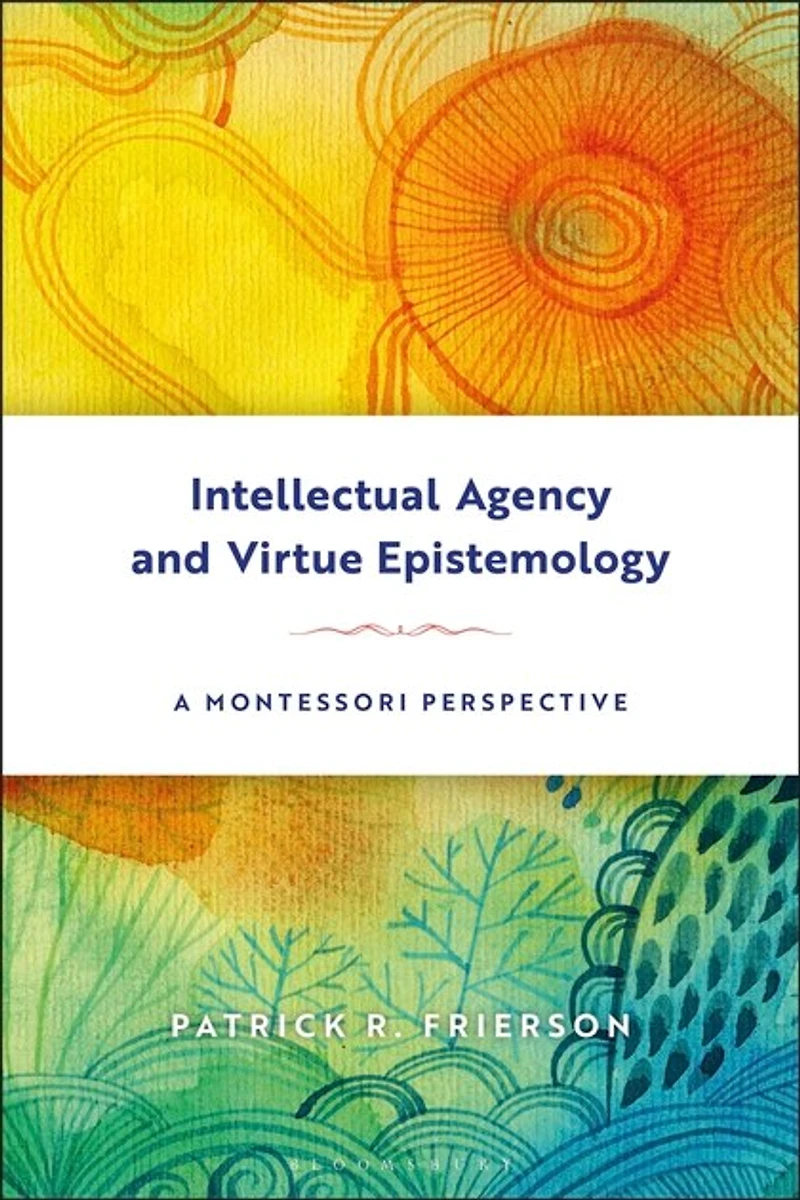
Intellectual Agency and Virtue Epistemology: A Montessori Perspective
Current price: $233.95

Intellectual Agency and Virtue Epistemology: A Montessori Perspective
Current price: $233.95
Loading Inventory...
Size: Hardcover
*Product information may vary - to confirm product availability, pricing, shipping and return information please contact Indigo
Drawing on the work of Maria Montessori and contemporary virtue epistemologists such as Linda Zagzebski and Jason Baehr, Intellectual Agency and Virtue Epistemology presents a new interpretation of the nature of intellectual agency and its associated virtues. Focusing on Montessori's interpretation of specific virtues including sensory attentiveness, intellectual love and intellectual humility, it discusses why these are virtues, why one can be held responsible for them, and how they relate to each other. Moreover, it considers pedagogical implications of considering these capacities to be virtues. Intellectual Agency and Virtue Epistemology not only reveals the value of seeing Montessori as a virtue epistemologist, it encourages educationalists to take seriously the cultivation of intellectual virtues as an important part of the education of children.
Drawing on the work of Maria Montessori and contemporary virtue epistemologists such as Linda Zagzebski and Jason Baehr, Intellectual Agency and Virtue Epistemology presents a new interpretation of the nature of intellectual agency and its associated virtues. Focusing on Montessori's interpretation of specific virtues including sensory attentiveness, intellectual love and intellectual humility, it discusses why these are virtues, why one can be held responsible for them, and how they relate to each other. Moreover, it considers pedagogical implications of considering these capacities to be virtues. Intellectual Agency and Virtue Epistemology not only reveals the value of seeing Montessori as a virtue epistemologist, it encourages educationalists to take seriously the cultivation of intellectual virtues as an important part of the education of children.
You May Also Like










More About Indigo at Erin Mills Town Centre
The largest book retailer in Canada also offers toys, music, home décor, gifts and lifestyle products. What's Inside...Books, Magazines, CD’s and DVD’s, Toys and Gifts, Home Accents, Electronics, Baby’s and Children’s Section, Bath and Body, Kitchen and Bedroom, Stationary Located outside in the exterior plaza.
5015 Glen Erin Dr, Mississauga, ON L5M 0R7, Canada
Find Indigo at Erin Mills Town Centre in Mississauga ON
Visit Indigo at Erin Mills Town Centre in Mississauga ON