

GIVE THE PERFECT GIFT
Erin Mills Town Centre Gift Cards are the perfect choice for your gift giving needs.Purchase gift cards at kiosks near the food court or centre court, at Guest Services, or click below to purchase online.PURCHASE HEREHome
Intergenerational Analysis of Offenders and the Role of Emotional Intelligence in the Criminal Justice System
Indigo
Loading Inventory...
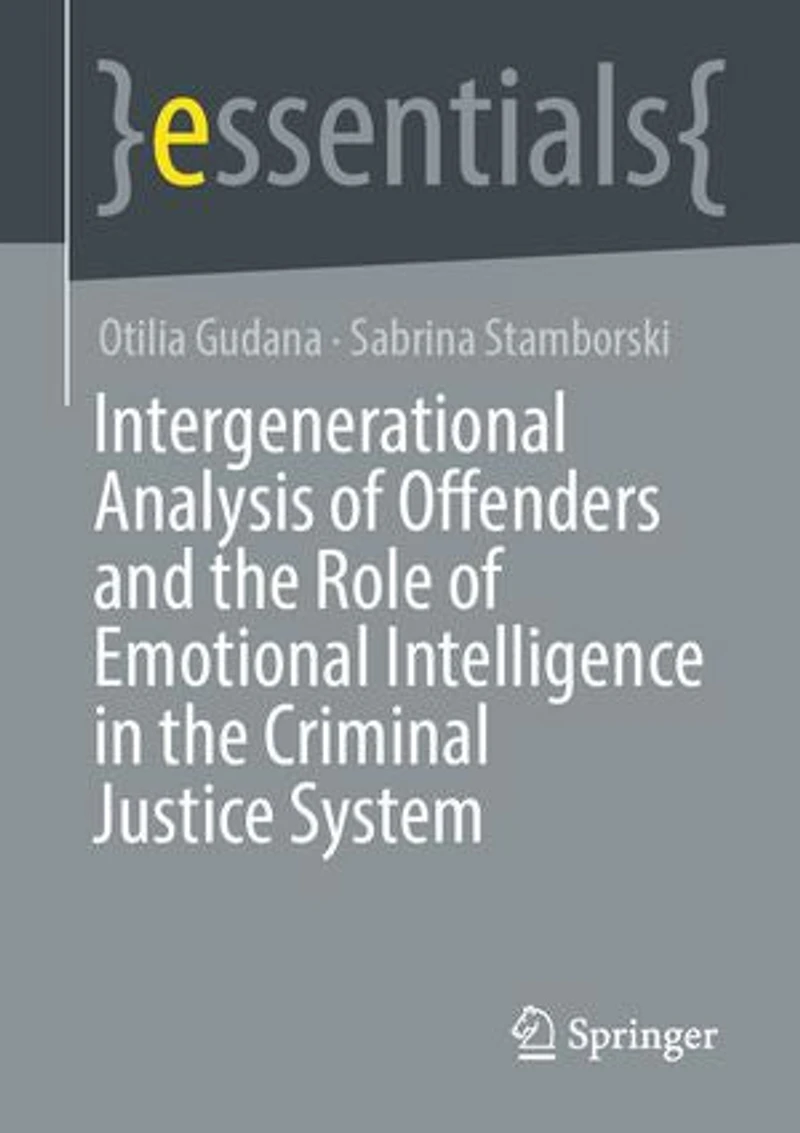
Intergenerational Analysis of Offenders and the Role of Emotional Intelligence in the Criminal Justice System
Current price: $12.89
Original price: $16.11

Intergenerational Analysis of Offenders and the Role of Emotional Intelligence in the Criminal Justice System
Current price: $12.89
Original price: $16.11
Loading Inventory...
Size: Kobo eBook
*Product information may vary - to confirm product availability, pricing, shipping and return information please contact Indigo
In 1996, violence was declared and identified as a global health problem. The risk of homicide and suicide reached epidemic proportions and affected specific population groups, including youths and members of minority groups. The suicide rates among adolescents and young adults (ages 15 to 24) nearly tripled between 1950 and 1990. Similarly, the homicide rates among males aged 15 to 19 almost doubled from 1985 to 1991. These trends raised global alarm and demanded new solutions. The motivation behind this book was to compare the level of emotional intelligence of criminals in prisons and forensic psychiatric facilities. The main objective of this analysis is to focus on recommendations for emotional intelligence training to reduce the epidemic rates of violence among inmates on a global level.
In 1996, violence was declared and identified as a global health problem. The risk of homicide and suicide reached epidemic proportions and affected specific population groups, including youths and members of minority groups. The suicide rates among adolescents and young adults (ages 15 to 24) nearly tripled between 1950 and 1990. Similarly, the homicide rates among males aged 15 to 19 almost doubled from 1985 to 1991. These trends raised global alarm and demanded new solutions. The motivation behind this book was to compare the level of emotional intelligence of criminals in prisons and forensic psychiatric facilities. The main objective of this analysis is to focus on recommendations for emotional intelligence training to reduce the epidemic rates of violence among inmates on a global level.
You May Also Like













More About Indigo at Erin Mills Town Centre
The largest book retailer in Canada also offers toys, music, home décor, gifts and lifestyle products. What's Inside...Books, Magazines, CD’s and DVD’s, Toys and Gifts, Home Accents, Electronics, Baby’s and Children’s Section, Bath and Body, Kitchen and Bedroom, Stationary Located outside in the exterior plaza.
5015 Glen Erin Dr, Mississauga, ON L5M 0R7, Canada
Find Indigo at Erin Mills Town Centre in Mississauga ON
Visit Indigo at Erin Mills Town Centre in Mississauga ON