

GIVE THE PERFECT GIFT
Erin Mills Town Centre Gift Cards are the perfect choice for your gift giving needs.Purchase gift cards at kiosks near the food court or centre court, at Guest Services, or click below to purchase online.PURCHASE HEREHome
International Economic Relations since 1945
Indigo
Loading Inventory...
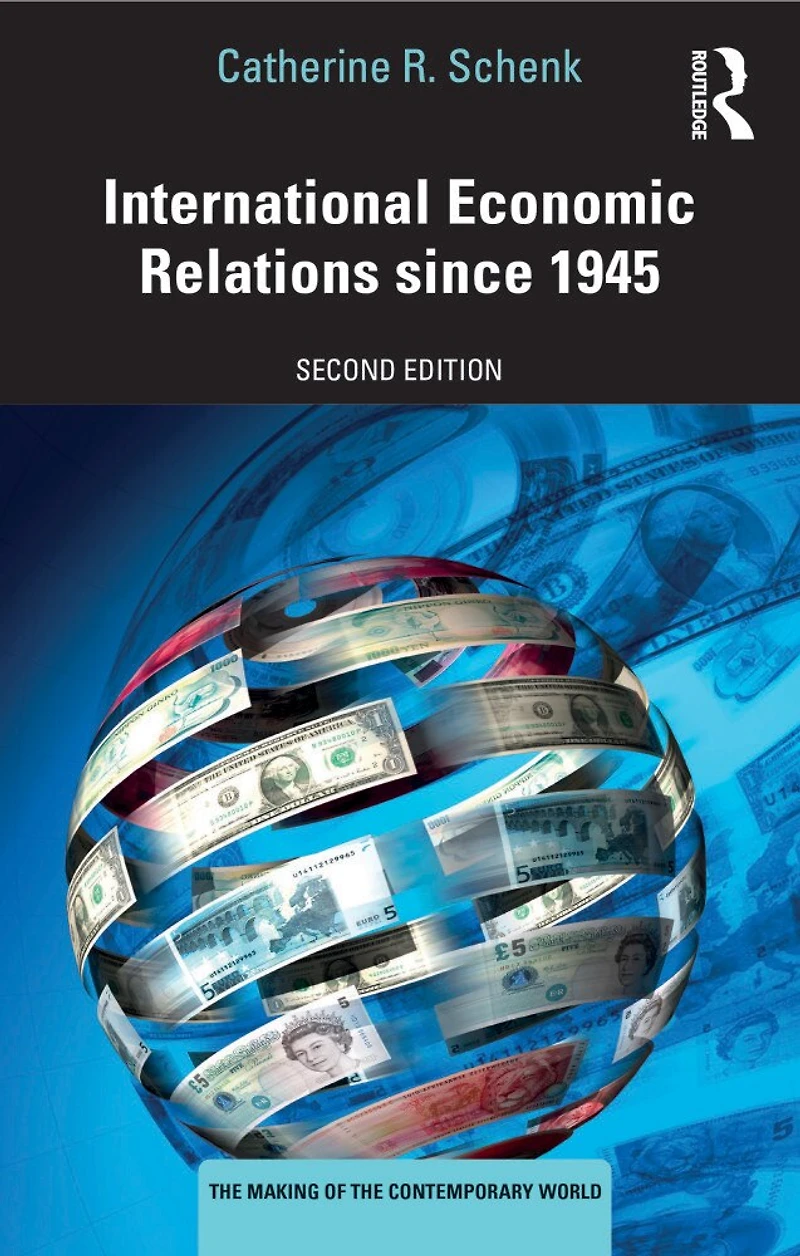
International Economic Relations since 1945
Current price: $296.50

International Economic Relations since 1945
Current price: $296.50
Loading Inventory...
Size: Hardcover
*Product information may vary - to confirm product availability, pricing, shipping and return information please contact Indigo
This second edition has been updated to include an assessment of economic relations up to the COVID-19 pandemic. It focuses on three main threads that tie national economies together: flows of goods, of people and of finance. Since the end of the Second World War, the international economy transformed from a tightly controlled trading system to the financial globalization of the late 20th century. This book traces the organisation of international economic relations from the 1944 Bretton Woods conference through to the 2008 financial crisis and its aftermath. By outlining the development of economic policy of both national and international institutions like the International Monetary Fund and the European Union, this volume examines how the global system was constructed and explores the sources of inequality and instability. The changing political context is also emphasised, especially the Cold War and its end, the rise of China and other emerging market economies and the prospect of a retreat from globalisation in the wake of the 2008 crisis. Using non-technical language and providing clear examples and evidence, the book is an accessible introduction to international economic relations that will be useful for all students of modern world history since 1945.
This second edition has been updated to include an assessment of economic relations up to the COVID-19 pandemic. It focuses on three main threads that tie national economies together: flows of goods, of people and of finance. Since the end of the Second World War, the international economy transformed from a tightly controlled trading system to the financial globalization of the late 20th century. This book traces the organisation of international economic relations from the 1944 Bretton Woods conference through to the 2008 financial crisis and its aftermath. By outlining the development of economic policy of both national and international institutions like the International Monetary Fund and the European Union, this volume examines how the global system was constructed and explores the sources of inequality and instability. The changing political context is also emphasised, especially the Cold War and its end, the rise of China and other emerging market economies and the prospect of a retreat from globalisation in the wake of the 2008 crisis. Using non-technical language and providing clear examples and evidence, the book is an accessible introduction to international economic relations that will be useful for all students of modern world history since 1945.
You May Also Like







More About Indigo at Erin Mills Town Centre
The largest book retailer in Canada also offers toys, music, home décor, gifts and lifestyle products. What's Inside...Books, Magazines, CD’s and DVD’s, Toys and Gifts, Home Accents, Electronics, Baby’s and Children’s Section, Bath and Body, Kitchen and Bedroom, Stationary Located outside in the exterior plaza.
5015 Glen Erin Dr, Mississauga, ON L5M 0R7, Canada
Find Indigo at Erin Mills Town Centre in Mississauga ON
Visit Indigo at Erin Mills Town Centre in Mississauga ON