

GIVE THE PERFECT GIFT
Erin Mills Town Centre Gift Cards are the perfect choice for your gift giving needs.Purchase gift cards at kiosks near the food court or centre court, at Guest Services, or click below to purchase online.PURCHASE HEREHome
International Impact on 19th Century Norwegian Education: Development
Indigo
Loading Inventory...
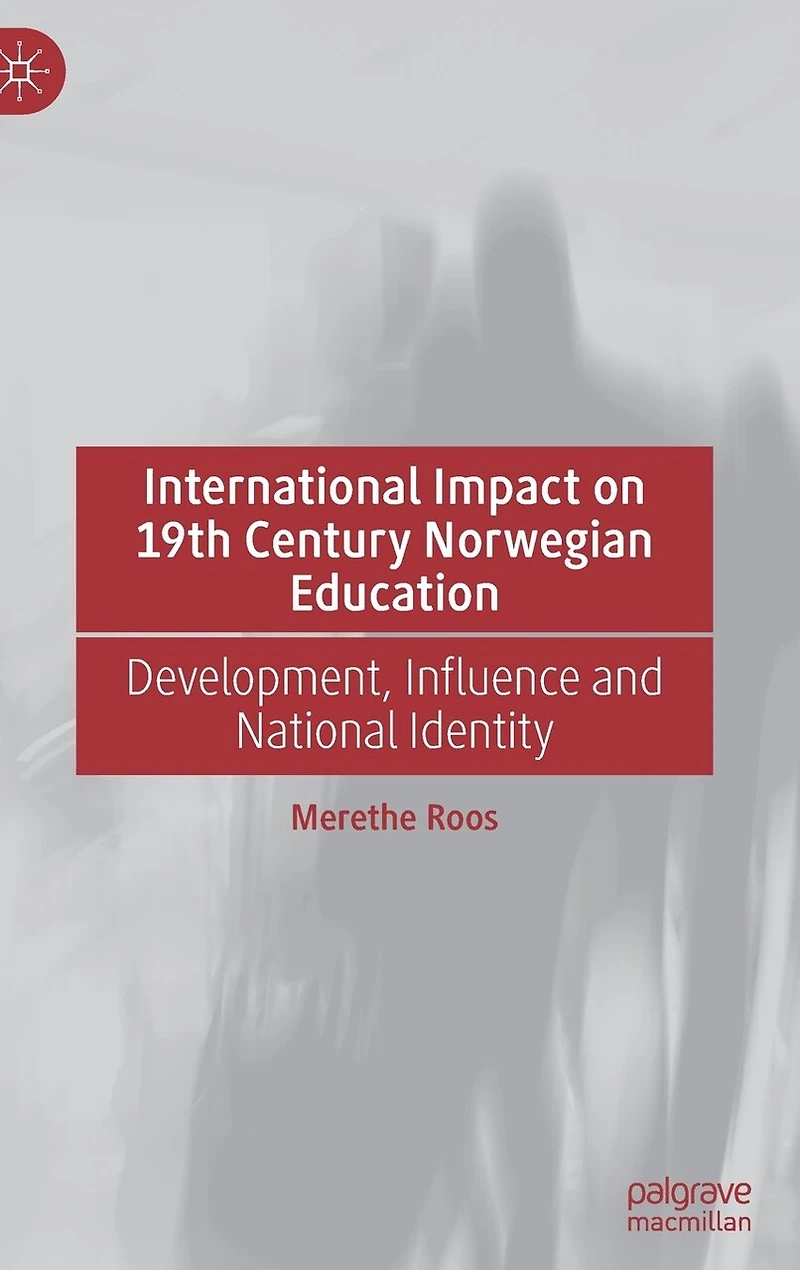
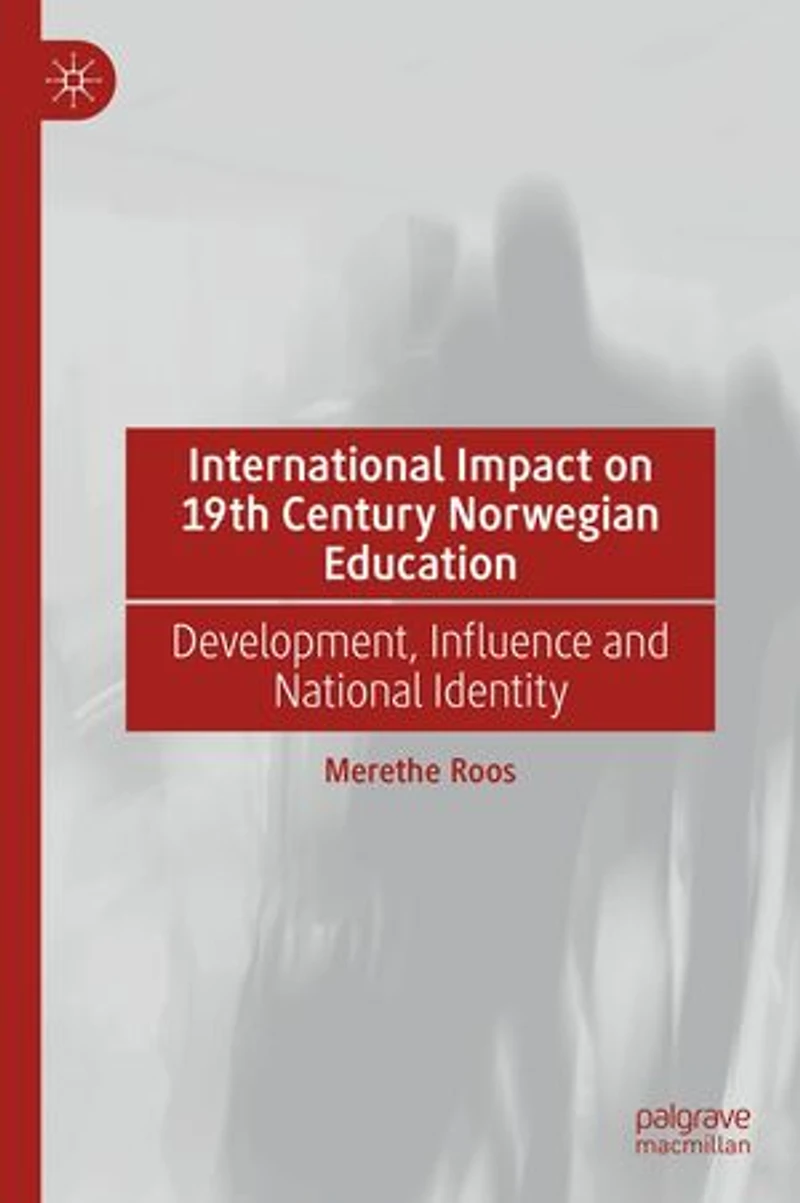

International Impact on 19th Century Norwegian Education: Development
Current price: $204.50

International Impact on 19th Century Norwegian Education: Development
Current price: $204.50
Loading Inventory...
Size: Hardcover
*Product information may vary - to confirm product availability, pricing, shipping and return information please contact Indigo
This book examines Norwegian education throughout the course of the 19th century, and discusses its development in light of broader transnational impulses. The nineteenth century is regarded as a period of increasing national consciousness in Norway, pointing forward to the political independency that the country was granted in 1905. Education played an important role in this process of nationalisation: the author posits that transnational - for the most part Scandinavian - impulses were more decisive for the development of Norwegian education than has been acknowledged in previous research. Drawing on the work of educator and school bureaucrat Hartvig Nissen, who is recognised as the most important educational strategist in 19th century Norway, this book will be of interest to scholars of the history of education and Norwegian education more generally.
This book examines Norwegian education throughout the course of the 19th century, and discusses its development in light of broader transnational impulses. The nineteenth century is regarded as a period of increasing national consciousness in Norway, pointing forward to the political independency that the country was granted in 1905. Education played an important role in this process of nationalisation: the author posits that transnational - for the most part Scandinavian - impulses were more decisive for the development of Norwegian education than has been acknowledged in previous research. Drawing on the work of educator and school bureaucrat Hartvig Nissen, who is recognised as the most important educational strategist in 19th century Norway, this book will be of interest to scholars of the history of education and Norwegian education more generally.
You May Also Like










More About Indigo at Erin Mills Town Centre
The largest book retailer in Canada also offers toys, music, home décor, gifts and lifestyle products. What's Inside...Books, Magazines, CD’s and DVD’s, Toys and Gifts, Home Accents, Electronics, Baby’s and Children’s Section, Bath and Body, Kitchen and Bedroom, Stationary Located outside in the exterior plaza.
5015 Glen Erin Dr, Mississauga, ON L5M 0R7, Canada
Find Indigo at Erin Mills Town Centre in Mississauga ON
Visit Indigo at Erin Mills Town Centre in Mississauga ON