

GIVE THE PERFECT GIFT
Erin Mills Town Centre Gift Cards are the perfect choice for your gift giving needs.Purchase gift cards at kiosks near the food court or centre court, at Guest Services, or click below to purchase online.PURCHASE HEREHome
International Law and its Discontents: Confronting Crises
Indigo
Loading Inventory...
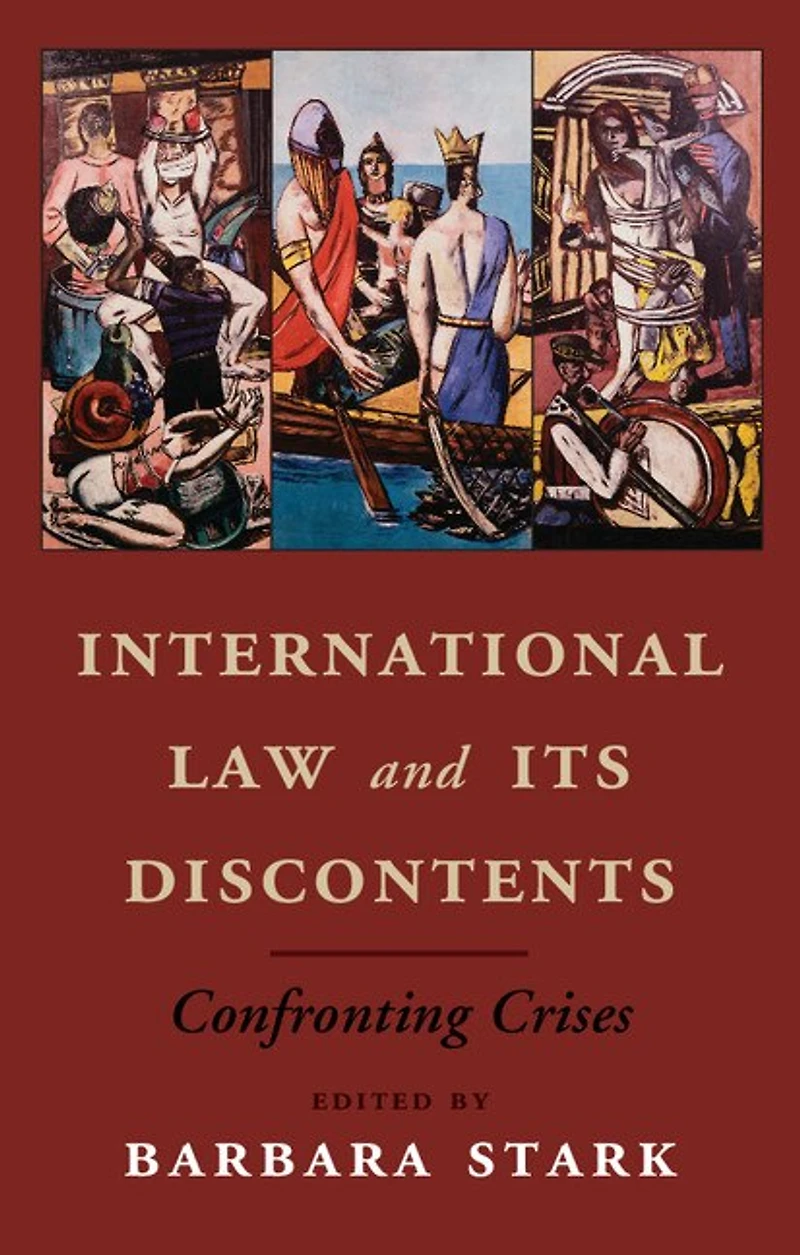
International Law and its Discontents: Confronting Crises
Current price: $166.95

International Law and its Discontents: Confronting Crises
Current price: $166.95
Loading Inventory...
Size: Hardcover
*Product information may vary - to confirm product availability, pricing, shipping and return information please contact Indigo
In Civilization and its Discontents, Sigmund Freud argued that civilization itself is the major source of human unhappiness, inhibiting instincts and generating guilt. In Globalization and Its Discontents, Joseph Stiglitz shows how the “economic architecture” that produced globalization has also driven the backlash against it. This book brings together some of international law's most outspoken “discontents;” those who situate their malaise in international law itself. Their shared objective is to expose international law's complicity in the ongoing economic and financial global crises and to assess its capacity – and its will – to constructively address them. Some, like Freud, view that which holds us together as an inevitable source of discontent. Others, like Stiglitz, draw on the energy of the backlash. How have these crises affected particular groups, sovereign states, and international law itself? How have they responded? When does crisis serve as a catalyst, and for what?
In Civilization and its Discontents, Sigmund Freud argued that civilization itself is the major source of human unhappiness, inhibiting instincts and generating guilt. In Globalization and Its Discontents, Joseph Stiglitz shows how the “economic architecture” that produced globalization has also driven the backlash against it. This book brings together some of international law's most outspoken “discontents;” those who situate their malaise in international law itself. Their shared objective is to expose international law's complicity in the ongoing economic and financial global crises and to assess its capacity – and its will – to constructively address them. Some, like Freud, view that which holds us together as an inevitable source of discontent. Others, like Stiglitz, draw on the energy of the backlash. How have these crises affected particular groups, sovereign states, and international law itself? How have they responded? When does crisis serve as a catalyst, and for what?
You May Also Like















More About Indigo at Erin Mills Town Centre
The largest book retailer in Canada also offers toys, music, home décor, gifts and lifestyle products. What's Inside...Books, Magazines, CD’s and DVD’s, Toys and Gifts, Home Accents, Electronics, Baby’s and Children’s Section, Bath and Body, Kitchen and Bedroom, Stationary Located outside in the exterior plaza.
5015 Glen Erin Dr, Mississauga, ON L5M 0R7, Canada
Find Indigo at Erin Mills Town Centre in Mississauga ON
Visit Indigo at Erin Mills Town Centre in Mississauga ON