

GIVE THE PERFECT GIFT
Erin Mills Town Centre Gift Cards are the perfect choice for your gift giving needs.Purchase gift cards at kiosks near the food court or centre court, at Guest Services, or click below to purchase online.PURCHASE HEREHome
International Perspectives on Early Years Workforce Development
Indigo
Loading Inventory...
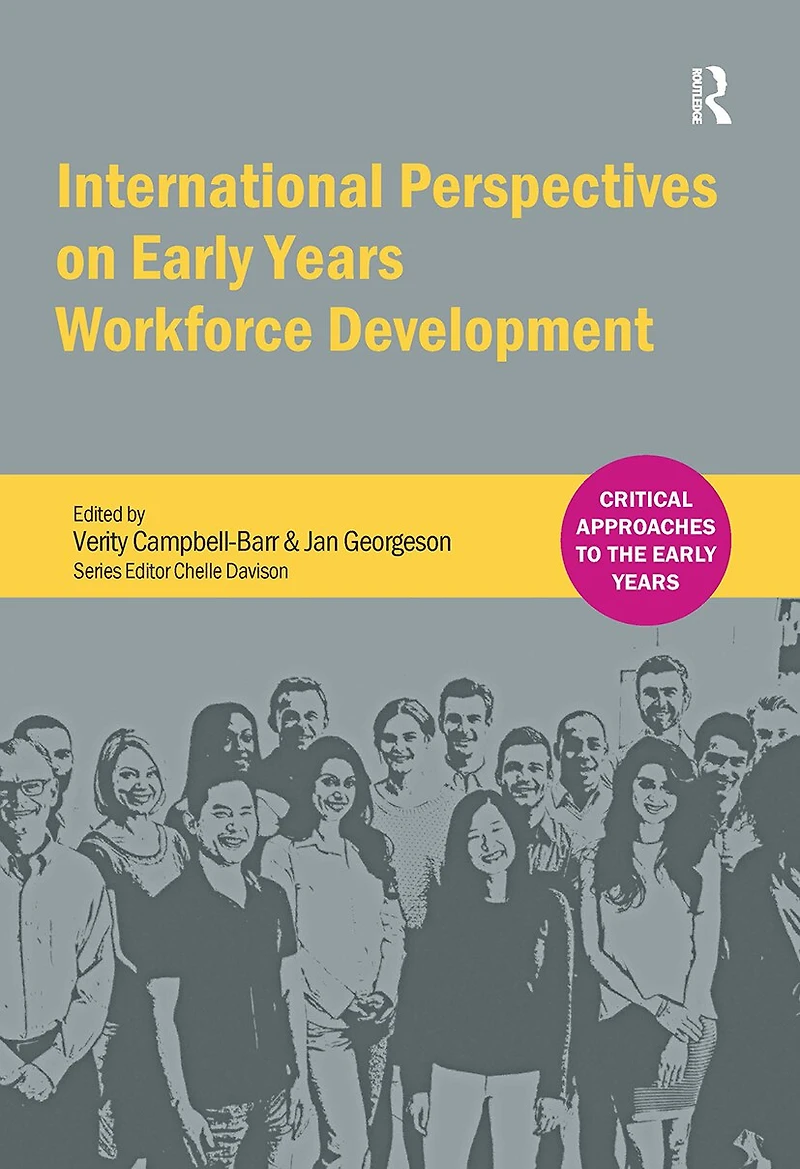
International Perspectives on Early Years Workforce Development
Current price: $281.50

International Perspectives on Early Years Workforce Development
Current price: $281.50
Loading Inventory...
Size: Hardcover
*Product information may vary - to confirm product availability, pricing, shipping and return information please contact Indigo
This up to date text is suitable for students on all early years and early childhood courses as well as interested practitioners. It looks at the current structure of the early childhood education and care (ECEC) workforce in different countries, each of which represents a distinct philosophical tradition, tracing what has shaped this structure and examining how politics and policy have moulded the workforce over time. Each chapter analyses historical, philosophical and political developments in the respective country and looks at key theorists, the concepts of childhood that have shaped the workforce and the pedagogical approach. The unique aspects of each country are highlighted along with a consideration of what the future might hold for the workforce. Students and practitioners will achieve a more critical understanding of current practice and the beliefs which underpin particular pedagogical approaches while being encouraged to question their own values and practice.
This up to date text is suitable for students on all early years and early childhood courses as well as interested practitioners. It looks at the current structure of the early childhood education and care (ECEC) workforce in different countries, each of which represents a distinct philosophical tradition, tracing what has shaped this structure and examining how politics and policy have moulded the workforce over time. Each chapter analyses historical, philosophical and political developments in the respective country and looks at key theorists, the concepts of childhood that have shaped the workforce and the pedagogical approach. The unique aspects of each country are highlighted along with a consideration of what the future might hold for the workforce. Students and practitioners will achieve a more critical understanding of current practice and the beliefs which underpin particular pedagogical approaches while being encouraged to question their own values and practice.
You May Also Like












More About Indigo at Erin Mills Town Centre
The largest book retailer in Canada also offers toys, music, home décor, gifts and lifestyle products. What's Inside...Books, Magazines, CD’s and DVD’s, Toys and Gifts, Home Accents, Electronics, Baby’s and Children’s Section, Bath and Body, Kitchen and Bedroom, Stationary Located outside in the exterior plaza.
5015 Glen Erin Dr, Mississauga, ON L5M 0R7, Canada
Find Indigo at Erin Mills Town Centre in Mississauga ON
Visit Indigo at Erin Mills Town Centre in Mississauga ON