

GIVE THE PERFECT GIFT
Erin Mills Town Centre Gift Cards are the perfect choice for your gift giving needs.Purchase gift cards at kiosks near the food court or centre court, at Guest Services, or click below to purchase online.PURCHASE HEREHome
Intervention in Civil Wars: Effectiveness, Legitimacy, and Human Rights
Indigo
Loading Inventory...
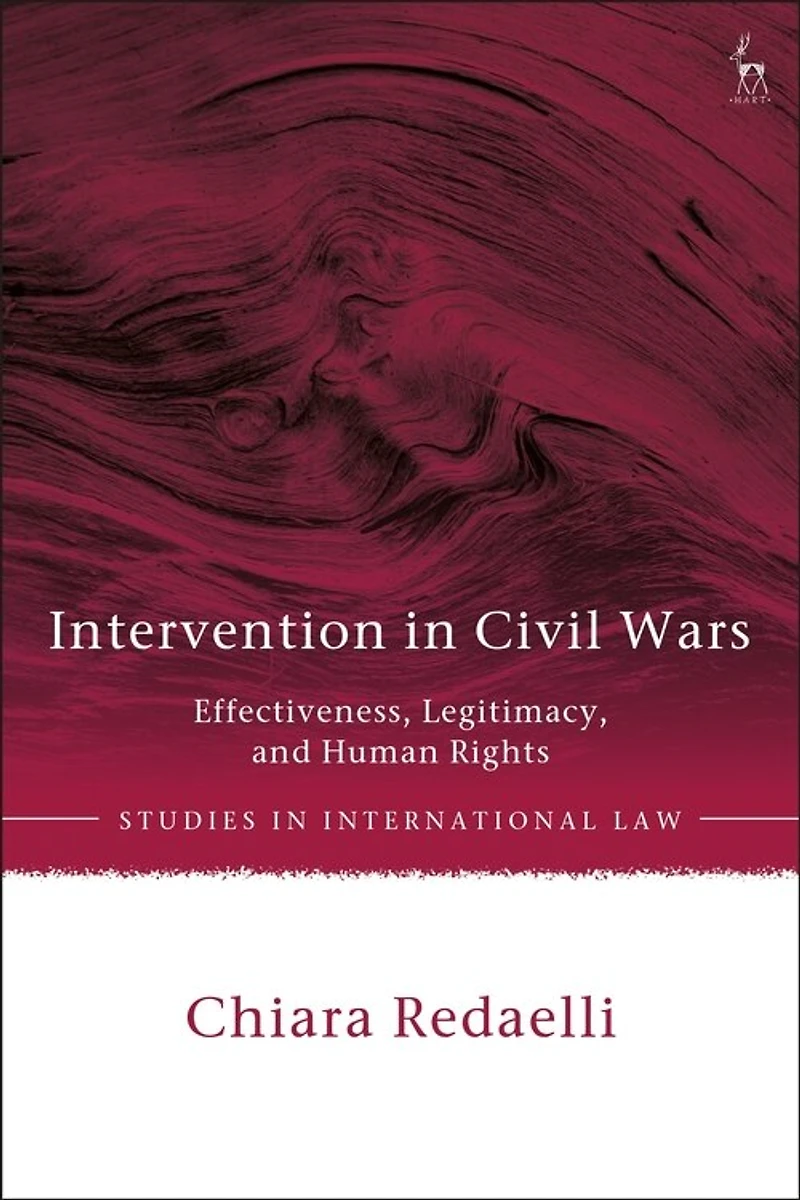
Intervention in Civil Wars: Effectiveness, Legitimacy, and Human Rights
Current price: $197.50

Intervention in Civil Wars: Effectiveness, Legitimacy, and Human Rights
Current price: $197.50
Loading Inventory...
Size: Hardcover
*Product information may vary - to confirm product availability, pricing, shipping and return information please contact Indigo
This book investigates the extent to which traditional international law regulating foreign interventions in internal conflicts has been affected by the human rights paradigm. Since the adoption of the Charter of the United Nations, foreign armed interventions in internal conflicts have turned into a common practice. At first sight, it might seem that state practice has developed in a chaotic fashion, however on closer examination, specific patterns emerge. The book charts these patterns by examining the traditional doctrines of intervention and testing them against state practise. The book has two aims. Firstly, it seeks to clarify the current legal framework regulating interventions in internal conflicts. Secondly, it plots the emergence of new trends and investigates whether they are becoming part of positive international law. By taking this dual focus, it offers the first truly comprehensive examination of foreign interventions in internal conflicts.
This book investigates the extent to which traditional international law regulating foreign interventions in internal conflicts has been affected by the human rights paradigm. Since the adoption of the Charter of the United Nations, foreign armed interventions in internal conflicts have turned into a common practice. At first sight, it might seem that state practice has developed in a chaotic fashion, however on closer examination, specific patterns emerge. The book charts these patterns by examining the traditional doctrines of intervention and testing them against state practise. The book has two aims. Firstly, it seeks to clarify the current legal framework regulating interventions in internal conflicts. Secondly, it plots the emergence of new trends and investigates whether they are becoming part of positive international law. By taking this dual focus, it offers the first truly comprehensive examination of foreign interventions in internal conflicts.
You May Also Like












More About Indigo at Erin Mills Town Centre
The largest book retailer in Canada also offers toys, music, home décor, gifts and lifestyle products. What's Inside...Books, Magazines, CD’s and DVD’s, Toys and Gifts, Home Accents, Electronics, Baby’s and Children’s Section, Bath and Body, Kitchen and Bedroom, Stationary Located outside in the exterior plaza.
5015 Glen Erin Dr, Mississauga, ON L5M 0R7, Canada
Find Indigo at Erin Mills Town Centre in Mississauga ON
Visit Indigo at Erin Mills Town Centre in Mississauga ON