

GIVE THE PERFECT GIFT
Erin Mills Town Centre Gift Cards are the perfect choice for your gift giving needs.Purchase gift cards at kiosks near the food court or centre court, at Guest Services, or click below to purchase online.PURCHASE HEREHome
Introducing Medieval Animal Names
Indigo
Loading Inventory...
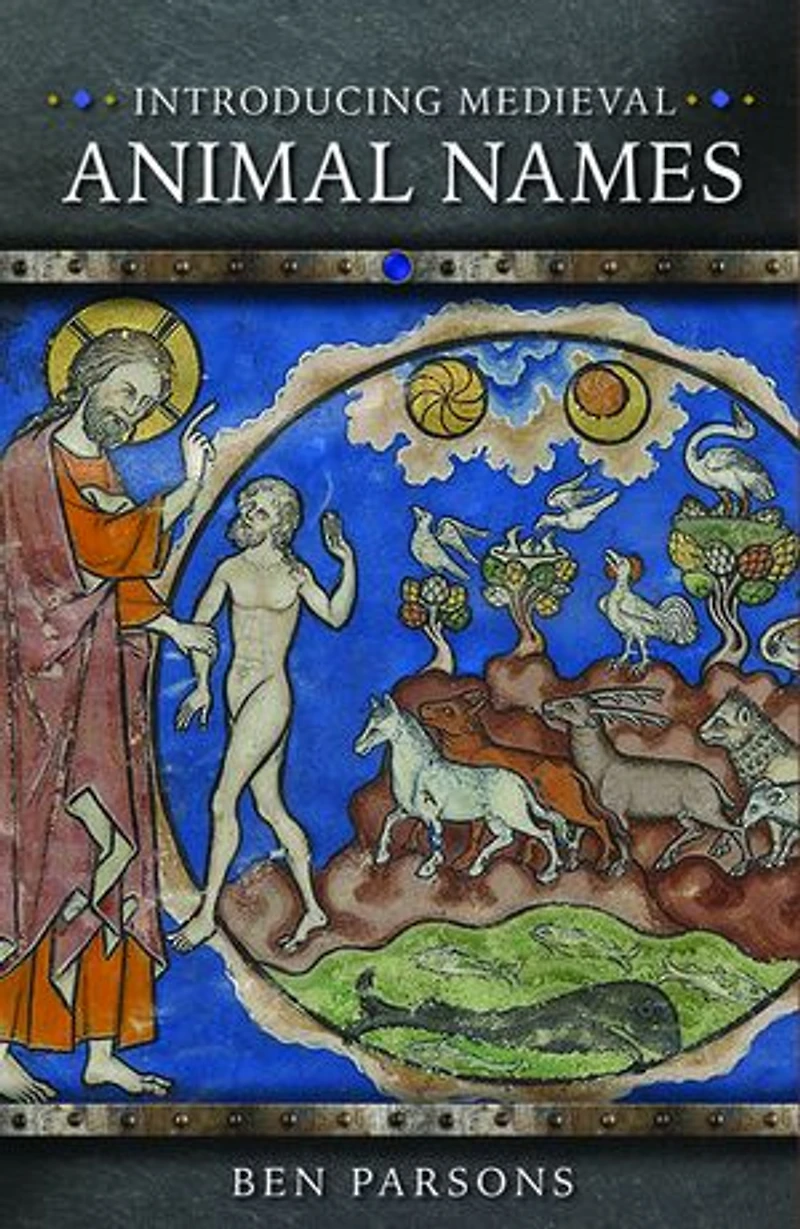
Introducing Medieval Animal Names
Current price: $22.09
Original price: $27.59

Introducing Medieval Animal Names
Current price: $22.09
Original price: $27.59
Loading Inventory...
Size: Kobo eBook
*Product information may vary - to confirm product availability, pricing, shipping and return information please contact Indigo
A study of the relationship between people and animals in the Middle Ages.
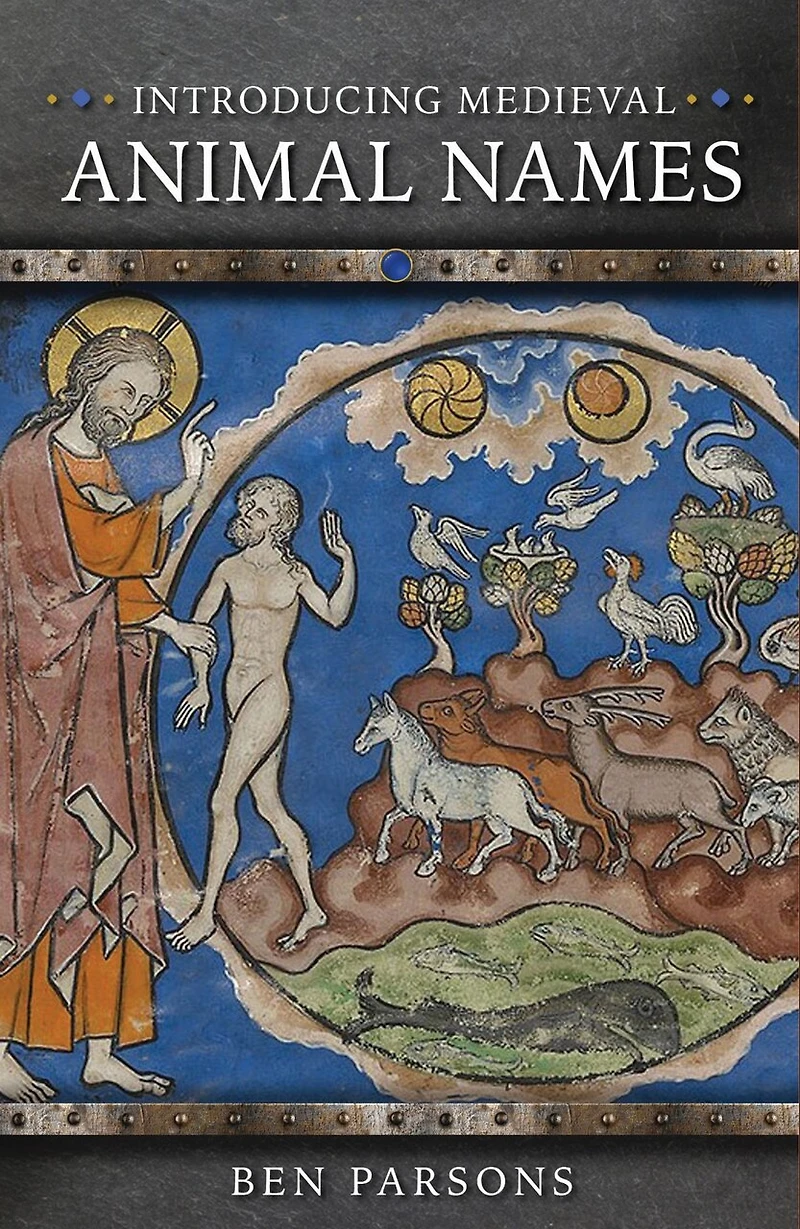
What did medieval people call the animals they lived and worked with? Why did they choose those particular names? This book sets out to answer these questions. Drawing evidence from literary, documentary, and material sources, Introducing Medieval Animal Names surveys the surviving evidence of pet names from the period, along with the labels given to livestock and working animals, and the folk names given to wild birds and beasts. It also thinks about the conventions that directed animal naming in the Middle Ages and how proper nouns behaved when given to non-human organisms. Through this inquiry, the book seeks to lay bare the period’s larger attitudes towards animals and their functions and identities. It also sheds light on how those in the Middle Ages conceived the natural world as a whole and its relationship with human beings and their culture.
A study of the relationship between people and animals in the Middle Ages.
What did medieval people call the animals they lived and worked with? Why did they choose those particular names? This book sets out to answer these questions. Drawing evidence from literary, documentary, and material sources, Introducing Medieval Animal Names surveys the surviving evidence of pet names from the period, along with the labels given to livestock and working animals, and the folk names given to wild birds and beasts. It also thinks about the conventions that directed animal naming in the Middle Ages and how proper nouns behaved when given to non-human organisms. Through this inquiry, the book seeks to lay bare the period’s larger attitudes towards animals and their functions and identities. It also sheds light on how those in the Middle Ages conceived the natural world as a whole and its relationship with human beings and their culture.
You May Also Like









More About Indigo at Erin Mills Town Centre
The largest book retailer in Canada also offers toys, music, home décor, gifts and lifestyle products. What's Inside...Books, Magazines, CD’s and DVD’s, Toys and Gifts, Home Accents, Electronics, Baby’s and Children’s Section, Bath and Body, Kitchen and Bedroom, Stationary Located outside in the exterior plaza.
5015 Glen Erin Dr, Mississauga, ON L5M 0R7, Canada
Find Indigo at Erin Mills Town Centre in Mississauga ON
Visit Indigo at Erin Mills Town Centre in Mississauga ON