

GIVE THE PERFECT GIFT
Erin Mills Town Centre Gift Cards are the perfect choice for your gift giving needs.Purchase gift cards at kiosks near the food court or centre court, at Guest Services, or click below to purchase online.PURCHASE HEREHome
"Invisible Cities" and the Urban Imagination
Indigo
Loading Inventory...
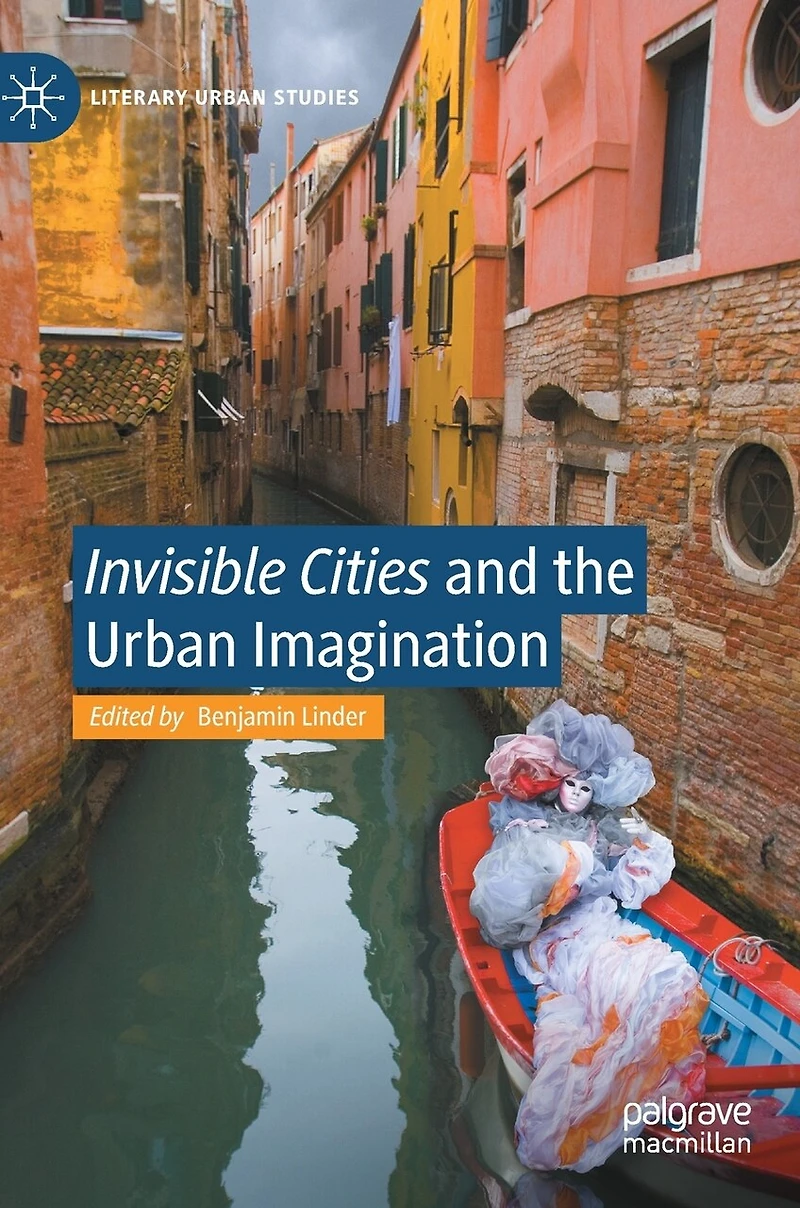
"Invisible Cities" and the Urban Imagination
Current price: $262.95

"Invisible Cities" and the Urban Imagination
Current price: $262.95
Loading Inventory...
Size: Hardcover
*Product information may vary - to confirm product availability, pricing, shipping and return information please contact Indigo
In 1972, Italo Calvino published Invisible Cities , a literary book that masterfully combines philosophy and poetry, rigid structure and free play, theoretical insight and glittering prose. The text is an extended meditation on urban life, and it continues to resonate not only among literary scholars, but among social scientists, architects, and urban planners as well. To commemorate the 50 th anniversary of Invisible Cities , this collection of essays serves as both an appreciation and a critical engagement. Drawing from a wide array of disciplinary perspectives and geographical contexts, this volume grapples with the theoretical, pedagogical, and political legacies of Calvino's work. Each chapter approaches Invisible Cities not only as a novel but as a work of evocative ethnography, place-writing, and urban theory. Fifty years on, what can Calvino's dreamlike text offer to scholars and practitioners interested in actually existing urban life?
In 1972, Italo Calvino published Invisible Cities , a literary book that masterfully combines philosophy and poetry, rigid structure and free play, theoretical insight and glittering prose. The text is an extended meditation on urban life, and it continues to resonate not only among literary scholars, but among social scientists, architects, and urban planners as well. To commemorate the 50 th anniversary of Invisible Cities , this collection of essays serves as both an appreciation and a critical engagement. Drawing from a wide array of disciplinary perspectives and geographical contexts, this volume grapples with the theoretical, pedagogical, and political legacies of Calvino's work. Each chapter approaches Invisible Cities not only as a novel but as a work of evocative ethnography, place-writing, and urban theory. Fifty years on, what can Calvino's dreamlike text offer to scholars and practitioners interested in actually existing urban life?
You May Also Like







More About Indigo at Erin Mills Town Centre
The largest book retailer in Canada also offers toys, music, home décor, gifts and lifestyle products. What's Inside...Books, Magazines, CD’s and DVD’s, Toys and Gifts, Home Accents, Electronics, Baby’s and Children’s Section, Bath and Body, Kitchen and Bedroom, Stationary Located outside in the exterior plaza.
5015 Glen Erin Dr, Mississauga, ON L5M 0R7, Canada
Find Indigo at Erin Mills Town Centre in Mississauga ON
Visit Indigo at Erin Mills Town Centre in Mississauga ON