

GIVE THE PERFECT GIFT
Erin Mills Town Centre Gift Cards are the perfect choice for your gift giving needs.Purchase gift cards at kiosks near the food court or centre court, at Guest Services, or click below to purchase online.PURCHASE HEREHome
IoT and Analytics Renewable Energy Systems (Volume 2): AI, ML Deployment Sustainable Smart Cities
Indigo
Loading Inventory...
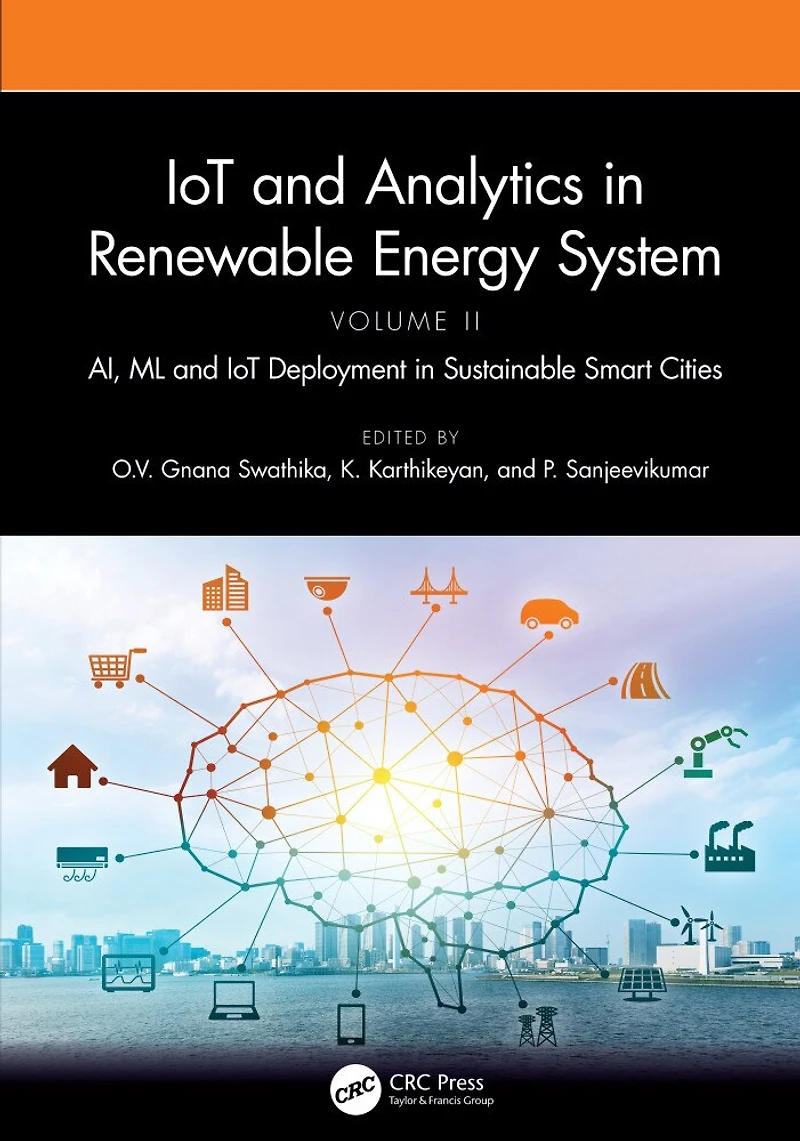
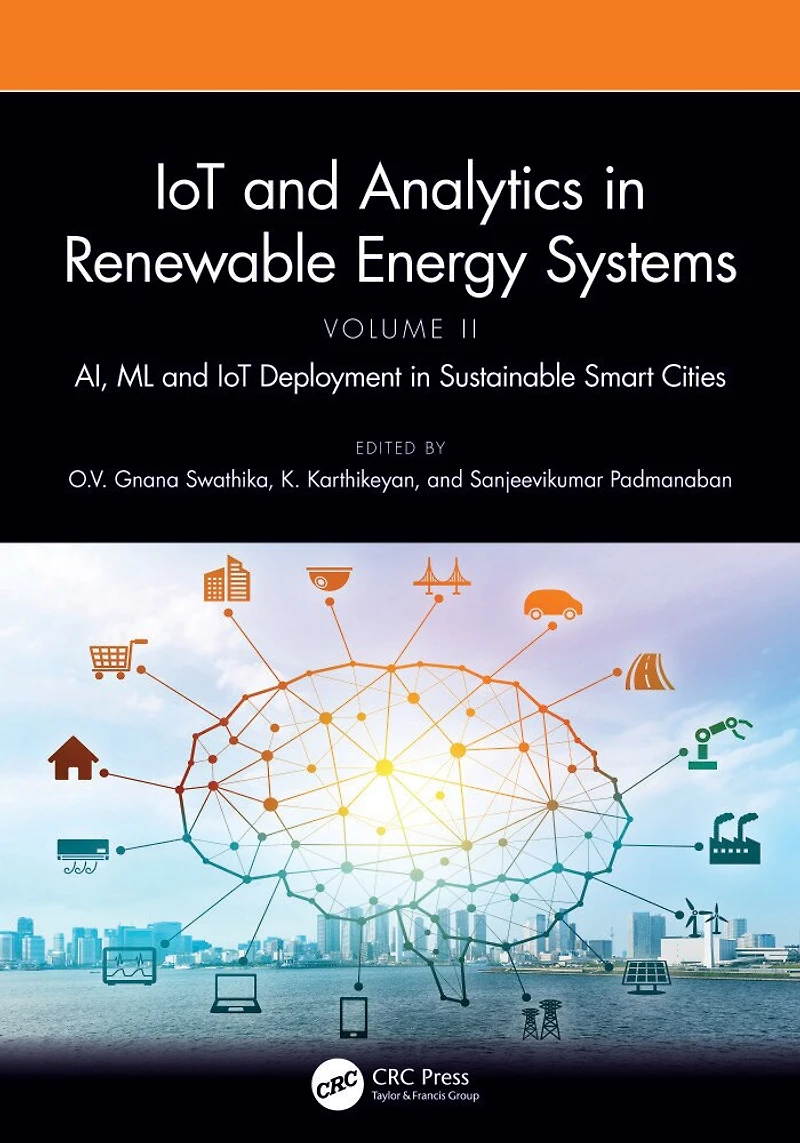
IoT and Analytics Renewable Energy Systems (Volume 2): AI, ML Deployment Sustainable Smart Cities
Current price: $251.95

IoT and Analytics Renewable Energy Systems (Volume 2): AI, ML Deployment Sustainable Smart Cities
Current price: $251.95
Loading Inventory...
Size: Hardcover
*Product information may vary - to confirm product availability, pricing, shipping and return information please contact Indigo
Smart cities emanate from a smart renewable-energy-aided power grid. The smart grid technologies offer an array of benefits like reliability, availability, and resiliency. Smart grids phenomenally contribute to facilitating cities reaching those sustainability goals over time. Digital technologies, such as the Internet of Things (IoT), automation, artificial intelligence (AI) and machine learning (ML) significantly contribute to the two-way communication between utilities and customers in smart cities. Five salient features of this book are as follows: Smart grid to the smart customer
Intelligent computing for smart grid applications
Novel designs of IoT systems such as smart healthcare, smart transportation, smart home, smart agriculture, smart manufacturing, smart grid, smart education, smart government, smart traffic management systems
Innovations in using IoT and AI in improving resilience of smart energy infrastructure
Challenges and future research directions of smart city applications
Smart cities emanate from a smart renewable-energy-aided power grid. The smart grid technologies offer an array of benefits like reliability, availability, and resiliency. Smart grids phenomenally contribute to facilitating cities reaching those sustainability goals over time. Digital technologies, such as the Internet of Things (IoT), automation, artificial intelligence (AI) and machine learning (ML) significantly contribute to the two-way communication between utilities and customers in smart cities. Five salient features of this book are as follows: Smart grid to the smart customer
Intelligent computing for smart grid applications
Novel designs of IoT systems such as smart healthcare, smart transportation, smart home, smart agriculture, smart manufacturing, smart grid, smart education, smart government, smart traffic management systems
Innovations in using IoT and AI in improving resilience of smart energy infrastructure
Challenges and future research directions of smart city applications
You May Also Like








More About Indigo at Erin Mills Town Centre
The largest book retailer in Canada also offers toys, music, home décor, gifts and lifestyle products. What's Inside...Books, Magazines, CD’s and DVD’s, Toys and Gifts, Home Accents, Electronics, Baby’s and Children’s Section, Bath and Body, Kitchen and Bedroom, Stationary Located outside in the exterior plaza.
5015 Glen Erin Dr, Mississauga, ON L5M 0R7, Canada
Find Indigo at Erin Mills Town Centre in Mississauga ON
Visit Indigo at Erin Mills Town Centre in Mississauga ON