

GIVE THE PERFECT GIFT
Erin Mills Town Centre Gift Cards are the perfect choice for your gift giving needs.Purchase gift cards at kiosks near the food court or centre court, at Guest Services, or click below to purchase online.PURCHASE HEREHome
Iranian Cosmopolitanism: A Cinematic History
Indigo
Loading Inventory...
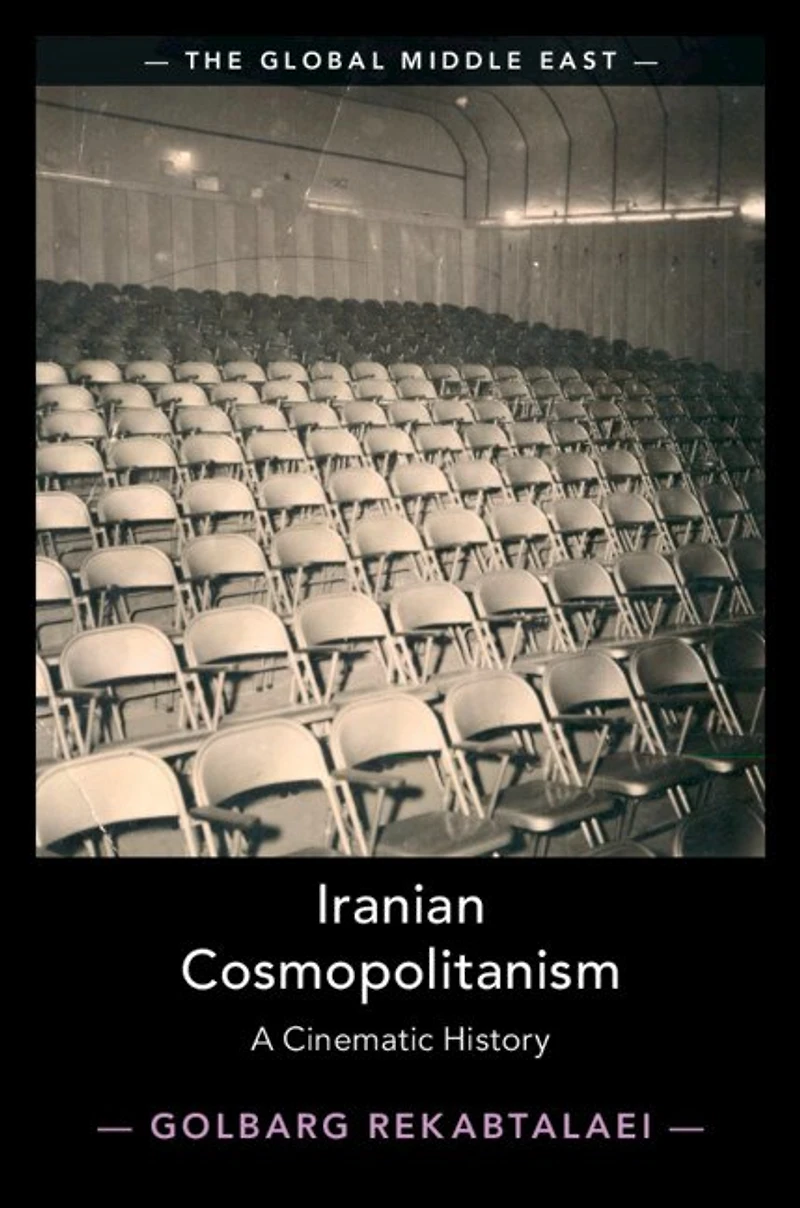
Iranian Cosmopolitanism: A Cinematic History
Current price: $152.95

Iranian Cosmopolitanism: A Cinematic History
Current price: $152.95
Loading Inventory...
Size: Hardcover
*Product information may vary - to confirm product availability, pricing, shipping and return information please contact Indigo
From popular and 'New Wave' pre-revolutionary films of Fereydoon Goleh and Abbas Kiarostami to post-revolutionary films of Mohsen Makhmalbaf, the Iranian cinema has produced a range of films and directors that have garnered international fame and earned a global following. Golbarg Rekabtalaei takes a unique look at Iranian cosmopolitanism and how it transformed in the Iranian imagination through the cinematic lens. By examining the development of Iranian cinema from the early twentieth century to the revolution, Rekabtalaei locates discussions of modernity in Iranian cinema as rooted within local experiences, rather than being primarily concerned with Western ideals or industrialisation. Her research further illustrates how the ethnic, linguistic, and religious diversity of Iran's citizenry shaped a heterogeneous culture and a cosmopolitan cinema that was part and parcel of Iran's experience of modernity. In turn, this cosmopolitanism fed into an assertion of sovereignty and national identity in a modernising Iran in the decades leading up to the revolution.
From popular and 'New Wave' pre-revolutionary films of Fereydoon Goleh and Abbas Kiarostami to post-revolutionary films of Mohsen Makhmalbaf, the Iranian cinema has produced a range of films and directors that have garnered international fame and earned a global following. Golbarg Rekabtalaei takes a unique look at Iranian cosmopolitanism and how it transformed in the Iranian imagination through the cinematic lens. By examining the development of Iranian cinema from the early twentieth century to the revolution, Rekabtalaei locates discussions of modernity in Iranian cinema as rooted within local experiences, rather than being primarily concerned with Western ideals or industrialisation. Her research further illustrates how the ethnic, linguistic, and religious diversity of Iran's citizenry shaped a heterogeneous culture and a cosmopolitan cinema that was part and parcel of Iran's experience of modernity. In turn, this cosmopolitanism fed into an assertion of sovereignty and national identity in a modernising Iran in the decades leading up to the revolution.
You May Also Like







More About Indigo at Erin Mills Town Centre
The largest book retailer in Canada also offers toys, music, home décor, gifts and lifestyle products. What's Inside...Books, Magazines, CD’s and DVD’s, Toys and Gifts, Home Accents, Electronics, Baby’s and Children’s Section, Bath and Body, Kitchen and Bedroom, Stationary Located outside in the exterior plaza.
5015 Glen Erin Dr, Mississauga, ON L5M 0R7, Canada
Find Indigo at Erin Mills Town Centre in Mississauga ON
Visit Indigo at Erin Mills Town Centre in Mississauga ON