

GIVE THE PERFECT GIFT
Erin Mills Town Centre Gift Cards are the perfect choice for your gift giving needs.Purchase gift cards at kiosks near the food court or centre court, at Guest Services, or click below to purchase online.PURCHASE HEREHome
Islamic Objects in Seventeenth-Century Italy: Ferdinando Cospi, the Bologna Collection and the Medici Court
Indigo
Loading Inventory...
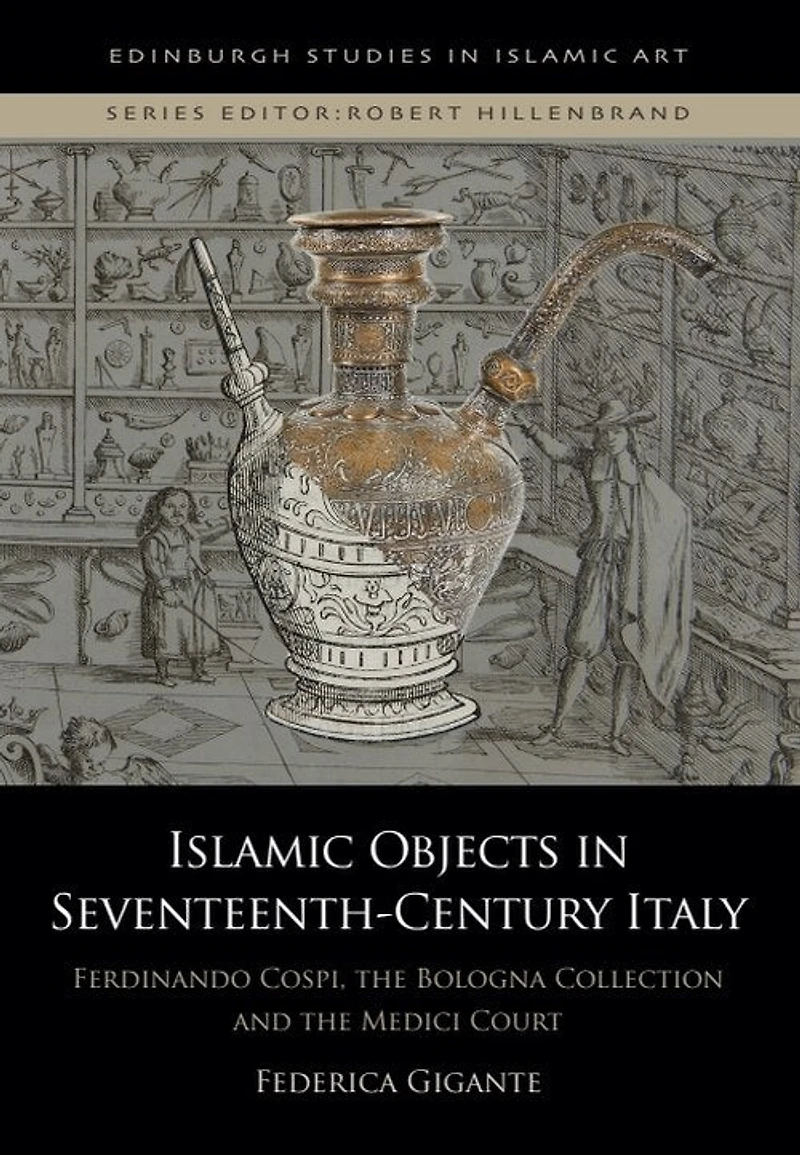
Islamic Objects in Seventeenth-Century Italy: Ferdinando Cospi, the Bologna Collection and the Medici Court
Current price: $298.99

Islamic Objects in Seventeenth-Century Italy: Ferdinando Cospi, the Bologna Collection and the Medici Court
Current price: $298.99
Loading Inventory...
Size: Hardcover
*Product information may vary - to confirm product availability, pricing, shipping and return information please contact Indigo
This book reassesses the idea that Islamic objects in seventeenth-century Italy were considered mere curiosities, sparking no cultural or historical interest. It focuses on Italy’s largest collection of Islamic artefacts of the time, assembled by the Medici agent and Bolognese nobleman Ferdinando Cospi in his public gallery: the Cospi Museum. Through an extensive investigation of inventories, letters, and archival documents, the book follows the objects through the various paths which took them from the eastern shores of the Mediterranean, through North African cities, to Livorno, Florence and, finally, Bologna. These paths reveal the presence of a network of enslaved Turks, Arab scholars, Egyptian fishermen and Armenian merchants, all responsible for importing both the items and their stories, biographies and anecdotes to Italy. The book thus brings forward to the seventeenth century a phenomenon of cultural inquisition that was thought to start only a century later.
This book reassesses the idea that Islamic objects in seventeenth-century Italy were considered mere curiosities, sparking no cultural or historical interest. It focuses on Italy’s largest collection of Islamic artefacts of the time, assembled by the Medici agent and Bolognese nobleman Ferdinando Cospi in his public gallery: the Cospi Museum. Through an extensive investigation of inventories, letters, and archival documents, the book follows the objects through the various paths which took them from the eastern shores of the Mediterranean, through North African cities, to Livorno, Florence and, finally, Bologna. These paths reveal the presence of a network of enslaved Turks, Arab scholars, Egyptian fishermen and Armenian merchants, all responsible for importing both the items and their stories, biographies and anecdotes to Italy. The book thus brings forward to the seventeenth century a phenomenon of cultural inquisition that was thought to start only a century later.
You May Also Like








More About Indigo at Erin Mills Town Centre
The largest book retailer in Canada also offers toys, music, home décor, gifts and lifestyle products. What's Inside...Books, Magazines, CD’s and DVD’s, Toys and Gifts, Home Accents, Electronics, Baby’s and Children’s Section, Bath and Body, Kitchen and Bedroom, Stationary Located outside in the exterior plaza.
5015 Glen Erin Dr, Mississauga, ON L5M 0R7, Canada
Find Indigo at Erin Mills Town Centre in Mississauga ON
Visit Indigo at Erin Mills Town Centre in Mississauga ON