

GIVE THE PERFECT GIFT
Erin Mills Town Centre Gift Cards are the perfect choice for your gift giving needs.Purchase gift cards at kiosks near the food court or centre court, at Guest Services, or click below to purchase online.PURCHASE HEREHome
It Is Possible!: PRINCIPLES OF MENTORING YOUNG & EMERGING ADULTS, #1
Indigo
Loading Inventory...
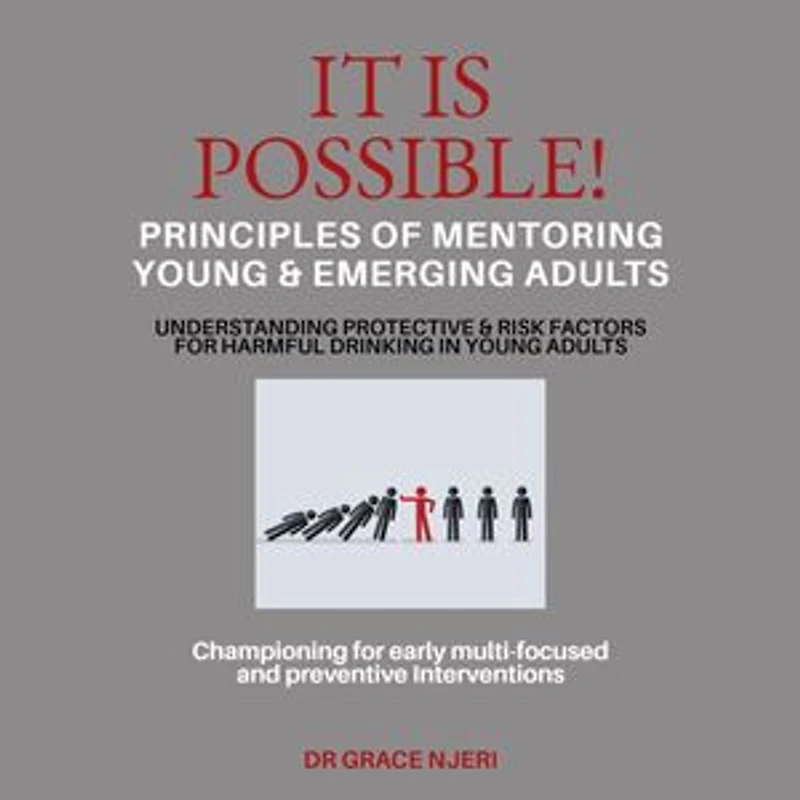
It Is Possible!: PRINCIPLES OF MENTORING YOUNG & EMERGING ADULTS, #1
Current price: $17.99

It Is Possible!: PRINCIPLES OF MENTORING YOUNG & EMERGING ADULTS, #1
Current price: $17.99
Loading Inventory...
Size: Kobo eBook
*Product information may vary - to confirm product availability, pricing, shipping and return information please contact Indigo
Evidence shows an increase of heavy drinking among young and emerging adults with alcohol-specific death rates for males more than double those of females. Lifelong patterns of alcohol consumption are established during this period of emerging adulthood, but evidence indicates that there is usually a window of two to four years before the initial risky behaviour turns into harmful drinking. If appropriate intervening measures are put in place, this two-year opportunity can result in a significant turnaround although it is not yet clear what these interventions are. Many of the existing programmes tend to focus on recovery rather than prevention and few are age relevant.
This research project explored the experiential accounts of young men between the age of 20 to 29 in the UK who had previously engaged in harmful drinking but who had since quit. Interpretive Phenomenological Analysis was utilised as the research methodology and eight participants were consented and interviewed. They gave rich data about their lived experiences of having engaged in harmful drinking and eventually quitting. In my analysis, I identified eight themes namely: initial pathways to drinking; pro-change factors; culture of drinking; life transition; connectedness with self and other; relationship with the body and environment; mental health and well- being and spiritual transcendence.
My findings reveal a complex multidimensional vulnerability to harmful drinking in emerging adulthood and show that this issue, which is broad, complex, and multifaceted requires multi-focused solutions. I conclude that harmful drinking among emerging adulthood requires relevant interventions that are integrative, multi-focused and preventative. This study makes a substantive and meaningful contribution to knowledge that can inform development of future alcohol misuse prevention programmes for emerging adults who are both in and out of education.
Evidence shows an increase of heavy drinking among young and emerging adults with alcohol-specific death rates for males more than double those of females. Lifelong patterns of alcohol consumption are established during this period of emerging adulthood, but evidence indicates that there is usually a window of two to four years before the initial risky behaviour turns into harmful drinking. If appropriate intervening measures are put in place, this two-year opportunity can result in a significant turnaround although it is not yet clear what these interventions are. Many of the existing programmes tend to focus on recovery rather than prevention and few are age relevant.
This research project explored the experiential accounts of young men between the age of 20 to 29 in the UK who had previously engaged in harmful drinking but who had since quit. Interpretive Phenomenological Analysis was utilised as the research methodology and eight participants were consented and interviewed. They gave rich data about their lived experiences of having engaged in harmful drinking and eventually quitting. In my analysis, I identified eight themes namely: initial pathways to drinking; pro-change factors; culture of drinking; life transition; connectedness with self and other; relationship with the body and environment; mental health and well- being and spiritual transcendence.
My findings reveal a complex multidimensional vulnerability to harmful drinking in emerging adulthood and show that this issue, which is broad, complex, and multifaceted requires multi-focused solutions. I conclude that harmful drinking among emerging adulthood requires relevant interventions that are integrative, multi-focused and preventative. This study makes a substantive and meaningful contribution to knowledge that can inform development of future alcohol misuse prevention programmes for emerging adults who are both in and out of education.
You May Also Like













More About Indigo at Erin Mills Town Centre
The largest book retailer in Canada also offers toys, music, home décor, gifts and lifestyle products. What's Inside...Books, Magazines, CD’s and DVD’s, Toys and Gifts, Home Accents, Electronics, Baby’s and Children’s Section, Bath and Body, Kitchen and Bedroom, Stationary Located outside in the exterior plaza.
5015 Glen Erin Dr, Mississauga, ON L5M 0R7, Canada
Find Indigo at Erin Mills Town Centre in Mississauga ON
Visit Indigo at Erin Mills Town Centre in Mississauga ON