

GIVE THE PERFECT GIFT
Erin Mills Town Centre Gift Cards are the perfect choice for your gift giving needs.Purchase gift cards at kiosks near the food court or centre court, at Guest Services, or click below to purchase online.PURCHASE HEREHome
Italian Renaissance Utopias: Doni, Patrizi, And Zuccolo
Indigo
Loading Inventory...
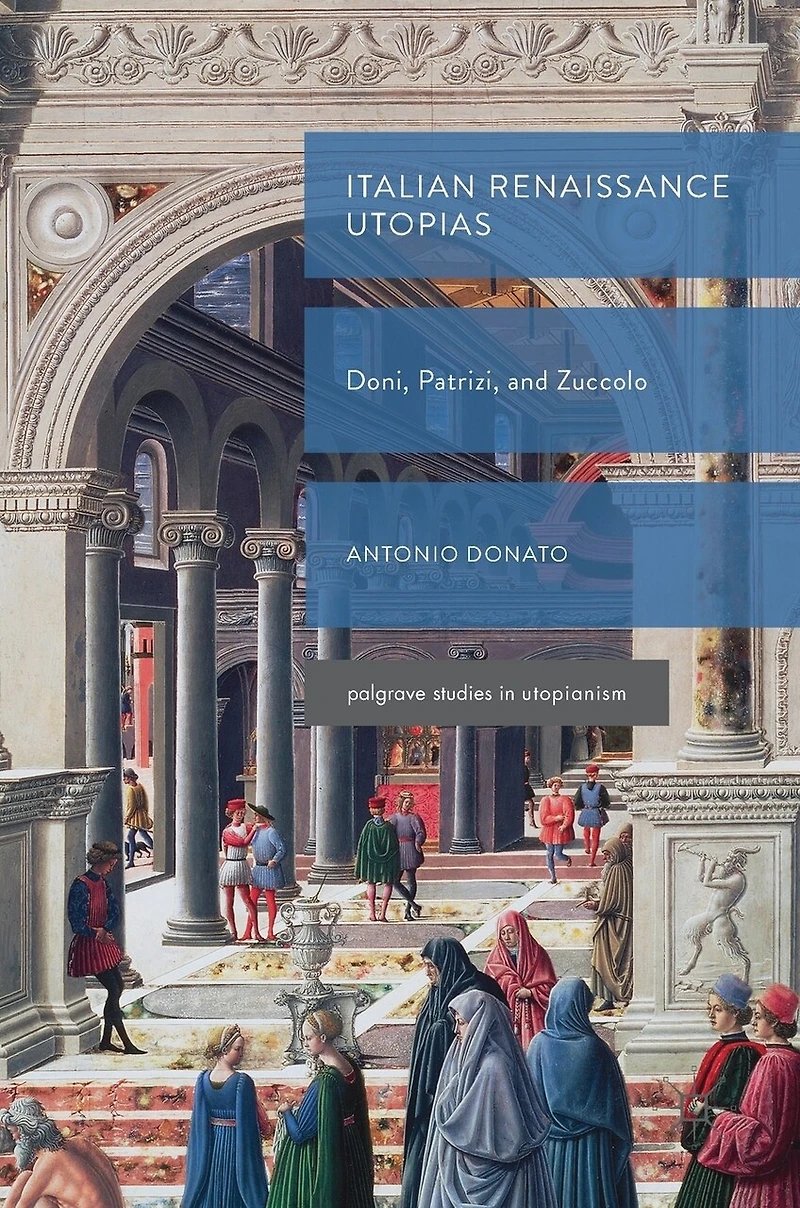
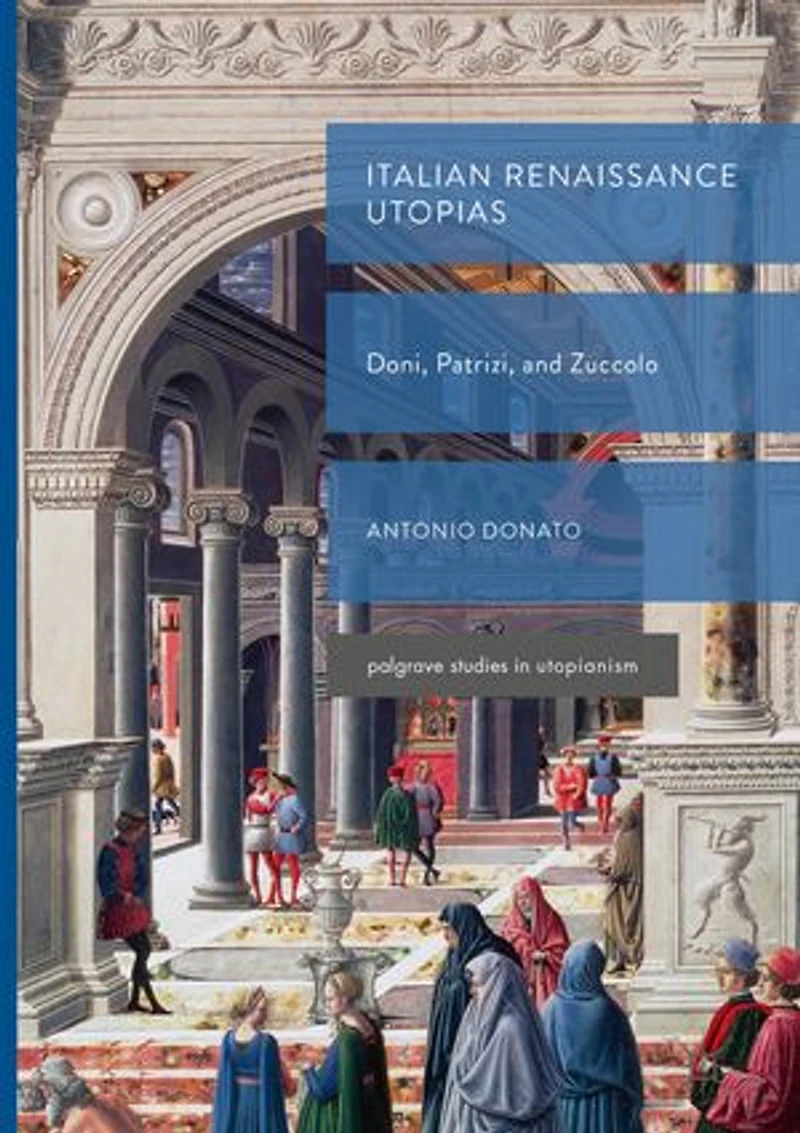
Italian Renaissance Utopias: Doni, Patrizi, And Zuccolo
Current price: $145.95

Italian Renaissance Utopias: Doni, Patrizi, And Zuccolo
Current price: $145.95
Loading Inventory...
Size: Hardcover
*Product information may vary - to confirm product availability, pricing, shipping and return information please contact Indigo
This book provides the first English study (comprehensive of introductory essays, translations, and notes) of five prominent Italian Renaissance utopias: Doni's Wise and Crazy World , Patrizi's The Happy City , and Zuccolo's The Republic of Utopia , The Republic of Evandria , and The Happy City . The scholarship on Italian Renaissance utopias is still relatively underdeveloped; there is no English translation of these texts (apart from Campanella's City of Sun ), and our understanding of the distinctive features of this utopian tradition is rather limited. This book therefore fills an important gap in the existing critical literature, providing easier access to these utopian texts, and showing how the study of the utopias of Doni, Patrizi, and Zuccolo can shed crucial light on the scholarly debate about the essential traits of Renaissance utopias.
This book provides the first English study (comprehensive of introductory essays, translations, and notes) of five prominent Italian Renaissance utopias: Doni's Wise and Crazy World , Patrizi's The Happy City , and Zuccolo's The Republic of Utopia , The Republic of Evandria , and The Happy City . The scholarship on Italian Renaissance utopias is still relatively underdeveloped; there is no English translation of these texts (apart from Campanella's City of Sun ), and our understanding of the distinctive features of this utopian tradition is rather limited. This book therefore fills an important gap in the existing critical literature, providing easier access to these utopian texts, and showing how the study of the utopias of Doni, Patrizi, and Zuccolo can shed crucial light on the scholarly debate about the essential traits of Renaissance utopias.
You May Also Like







More About Indigo at Erin Mills Town Centre
The largest book retailer in Canada also offers toys, music, home décor, gifts and lifestyle products. What's Inside...Books, Magazines, CD’s and DVD’s, Toys and Gifts, Home Accents, Electronics, Baby’s and Children’s Section, Bath and Body, Kitchen and Bedroom, Stationary Located outside in the exterior plaza.
5015 Glen Erin Dr, Mississauga, ON L5M 0R7, Canada
Find Indigo at Erin Mills Town Centre in Mississauga ON
Visit Indigo at Erin Mills Town Centre in Mississauga ON