

GIVE THE PERFECT GIFT
Erin Mills Town Centre Gift Cards are the perfect choice for your gift giving needs.Purchase gift cards at kiosks near the food court or centre court, at Guest Services, or click below to purchase online.PURCHASE HEREHome
Jane Austen: Sibling Rivalry, Unconscious Fantasy and Change
Indigo
Loading Inventory...
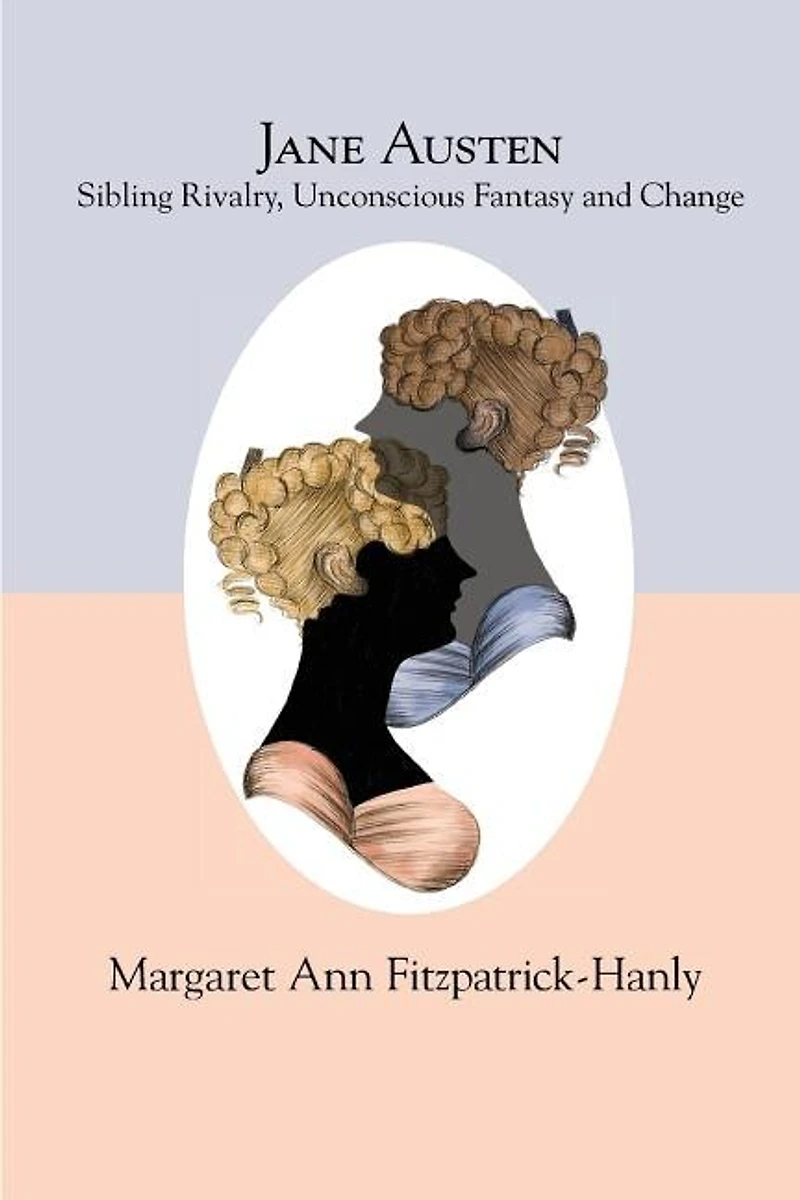
Jane Austen: Sibling Rivalry, Unconscious Fantasy and Change
Current price: $40.08

Jane Austen: Sibling Rivalry, Unconscious Fantasy and Change
Current price: $40.08
Loading Inventory...
Size: Paperback
*Product information may vary - to confirm product availability, pricing, shipping and return information please contact Indigo
From the Introduction by author: Love, Rivalry, and the Unconscious Jane Austen's novels have been praised by the literary critics, loved by the 'ordinary reader', and made into many films (Southam, 1967; Wiltshire, 2001). Psychoanalytic readings of the six great novels elaborate Austen's famous description of her 'subject' to her niece Anna. "You are now collecting your People delightfully, getting them exactly into such a spot as is the delight of my life;-3 or 4 Families in a Country Village is the very thing to work on' (Le Faye, 2011, p. 287). Austen's plots and language dramatize the love and mutual identifications, the jealousy and competitive strivings of family life as young women and men fall in love and marry. Austen's narrative method, free indirect discourse, presents the conflicted feelings and impulses of her heroines and heroes, as they separate from their families, relive early sibling and oedipal rivalries, and form attachments outside the family.
From the Introduction by author: Love, Rivalry, and the Unconscious Jane Austen's novels have been praised by the literary critics, loved by the 'ordinary reader', and made into many films (Southam, 1967; Wiltshire, 2001). Psychoanalytic readings of the six great novels elaborate Austen's famous description of her 'subject' to her niece Anna. "You are now collecting your People delightfully, getting them exactly into such a spot as is the delight of my life;-3 or 4 Families in a Country Village is the very thing to work on' (Le Faye, 2011, p. 287). Austen's plots and language dramatize the love and mutual identifications, the jealousy and competitive strivings of family life as young women and men fall in love and marry. Austen's narrative method, free indirect discourse, presents the conflicted feelings and impulses of her heroines and heroes, as they separate from their families, relive early sibling and oedipal rivalries, and form attachments outside the family.
You May Also Like







More About Indigo at Erin Mills Town Centre
The largest book retailer in Canada also offers toys, music, home décor, gifts and lifestyle products. What's Inside...Books, Magazines, CD’s and DVD’s, Toys and Gifts, Home Accents, Electronics, Baby’s and Children’s Section, Bath and Body, Kitchen and Bedroom, Stationary Located outside in the exterior plaza.
5015 Glen Erin Dr, Mississauga, ON L5M 0R7, Canada
Find Indigo at Erin Mills Town Centre in Mississauga ON
Visit Indigo at Erin Mills Town Centre in Mississauga ON