

GIVE THE PERFECT GIFT
Erin Mills Town Centre Gift Cards are the perfect choice for your gift giving needs.Purchase gift cards at kiosks near the food court or centre court, at Guest Services, or click below to purchase online.PURCHASE HEREHome
Japan's Economy by Proxy in the Seventeenth Century: China the Netherlands, and the Bakufu
Indigo
Loading Inventory...
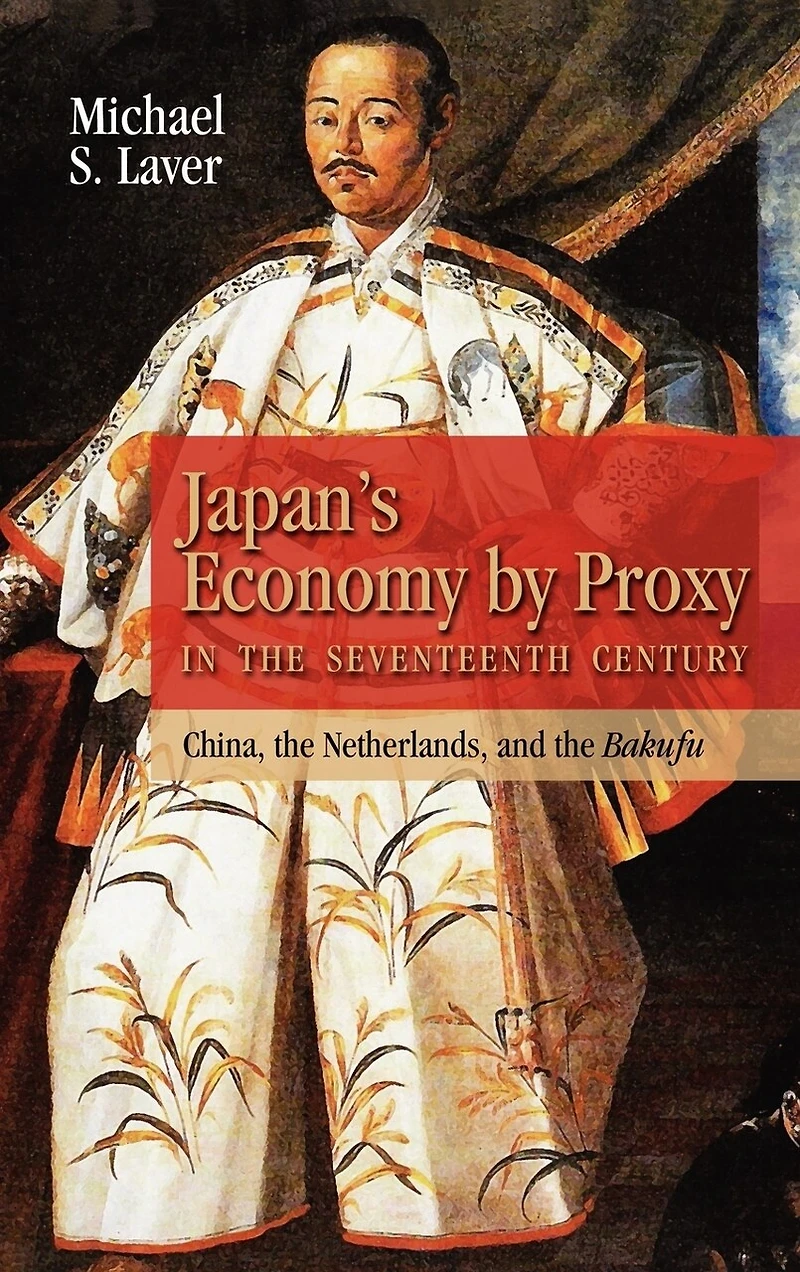
Japan's Economy by Proxy in the Seventeenth Century: China the Netherlands, and the Bakufu
Current price: $139.95

Japan's Economy by Proxy in the Seventeenth Century: China the Netherlands, and the Bakufu
Current price: $139.95
Loading Inventory...
Size: Hardcover
*Product information may vary - to confirm product availability, pricing, shipping and return information please contact Indigo
Although Japan had severely curtailed its political involvement with the wider world in the seventeenth century, the Japanese economic influence on Asia remained quite pronounced. Even when the Japanese government expelled the Spanish and Portuguese and limited the Dutch to a small outpost in Nagasaki, and also decided to prohibit its own citizens from traveling abroad, the Japanese economy remained a force in Asia and played a significant role in the world economy as well. The seventeenth-century economy of Japan, however, was an "economy by proxy" since the agents that exchanged Asian and European luxury goods for Japanese products and precious metals were not Japanese but rather Dutch, Chinese, Korean, and Ryukyu Islanders. These peoples moved in to fill the economic gap left by the forced exclusion of the native Japanese merchants from an active role in the foreign economy of Japan. This eloquently detailed account illuminates the tremendous impact that the Japanese economy had on Asia and on the foreigners trading in Japan in the seventeenth century. This is a valuable addition to all collections in Asian Studies and World History.
Although Japan had severely curtailed its political involvement with the wider world in the seventeenth century, the Japanese economic influence on Asia remained quite pronounced. Even when the Japanese government expelled the Spanish and Portuguese and limited the Dutch to a small outpost in Nagasaki, and also decided to prohibit its own citizens from traveling abroad, the Japanese economy remained a force in Asia and played a significant role in the world economy as well. The seventeenth-century economy of Japan, however, was an "economy by proxy" since the agents that exchanged Asian and European luxury goods for Japanese products and precious metals were not Japanese but rather Dutch, Chinese, Korean, and Ryukyu Islanders. These peoples moved in to fill the economic gap left by the forced exclusion of the native Japanese merchants from an active role in the foreign economy of Japan. This eloquently detailed account illuminates the tremendous impact that the Japanese economy had on Asia and on the foreigners trading in Japan in the seventeenth century. This is a valuable addition to all collections in Asian Studies and World History.
You May Also Like











More About Indigo at Erin Mills Town Centre
The largest book retailer in Canada also offers toys, music, home décor, gifts and lifestyle products. What's Inside...Books, Magazines, CD’s and DVD’s, Toys and Gifts, Home Accents, Electronics, Baby’s and Children’s Section, Bath and Body, Kitchen and Bedroom, Stationary Located outside in the exterior plaza.
5015 Glen Erin Dr, Mississauga, ON L5M 0R7, Canada
Find Indigo at Erin Mills Town Centre in Mississauga ON
Visit Indigo at Erin Mills Town Centre in Mississauga ON