

GIVE THE PERFECT GIFT
Erin Mills Town Centre Gift Cards are the perfect choice for your gift giving needs.Purchase gift cards at kiosks near the food court or centre court, at Guest Services, or click below to purchase online.PURCHASE HEREHome
Jelly Roll: A Black Neighborhood in a Southern Mill Town
Indigo
Loading Inventory...
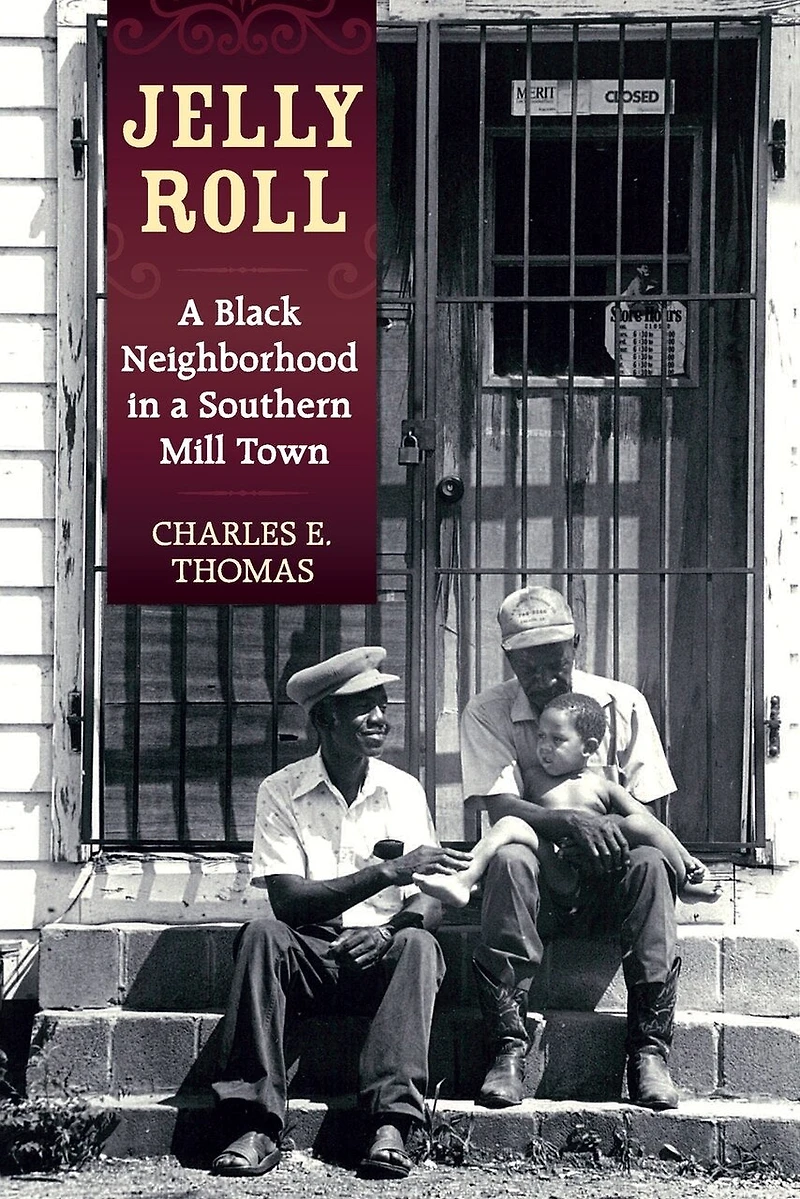
Jelly Roll: A Black Neighborhood in a Southern Mill Town
Current price: $29.95

Jelly Roll: A Black Neighborhood in a Southern Mill Town
Current price: $29.95
Loading Inventory...
Size: Paperback
*Product information may vary - to confirm product availability, pricing, shipping and return information please contact Indigo
Jelly Roll , a small community of African Americans living in company housing outside the Calion Lumber Company in Calion, Arkansas, is the subject of this classic Arkansas ethnography written by Charles E. Thomas, an anthropologist whose family owned the mill. Originally published in 1986, Jelly Roll combines Thomas’s unique perspective as both an academician and the grandson of the sawmill’s founder. Thomas conducted extensive interviews covering three generations among the eighty-four households forming this community, illuminating the residents’ lives in an unusually thorough and nuanced fashion. Now back in print and enhanced with later interviews revealing attitudes of growing restlessness over the slow movement toward racial equality and opportunity, Jelly Roll will be a welcome reference for anyone interested in African American studies, the South, or the sawmill industry.
Jelly Roll , a small community of African Americans living in company housing outside the Calion Lumber Company in Calion, Arkansas, is the subject of this classic Arkansas ethnography written by Charles E. Thomas, an anthropologist whose family owned the mill. Originally published in 1986, Jelly Roll combines Thomas’s unique perspective as both an academician and the grandson of the sawmill’s founder. Thomas conducted extensive interviews covering three generations among the eighty-four households forming this community, illuminating the residents’ lives in an unusually thorough and nuanced fashion. Now back in print and enhanced with later interviews revealing attitudes of growing restlessness over the slow movement toward racial equality and opportunity, Jelly Roll will be a welcome reference for anyone interested in African American studies, the South, or the sawmill industry.
You May Also Like


![Homestead [electronic Resource]: The Households of a Mill Town](https://cdn.mall.adeptmind.ai/https%253A%252F%252Fcdn.shopify.com%252Fs%252Ffiles%252F1%252F0655%252F8980%252F5233%252Ffiles%252F1_484eff41-20ba-43b3-8f5b-c32a53b95101.jpg_medium.webp)











More About Indigo at Erin Mills Town Centre
The largest book retailer in Canada also offers toys, music, home décor, gifts and lifestyle products. What's Inside...Books, Magazines, CD’s and DVD’s, Toys and Gifts, Home Accents, Electronics, Baby’s and Children’s Section, Bath and Body, Kitchen and Bedroom, Stationary Located outside in the exterior plaza.
5015 Glen Erin Dr, Mississauga, ON L5M 0R7, Canada
Find Indigo at Erin Mills Town Centre in Mississauga ON
Visit Indigo at Erin Mills Town Centre in Mississauga ON