

GIVE THE PERFECT GIFT
Erin Mills Town Centre Gift Cards are the perfect choice for your gift giving needs.Purchase gift cards at kiosks near the food court or centre court, at Guest Services, or click below to purchase online.PURCHASE HEREHome
Jesus the Oracle: Reading Mark Roman Egypt
Indigo
Loading Inventory...
Jesus the Oracle: Reading Mark Roman Egypt
Current price: $146.50

Jesus the Oracle: Reading Mark Roman Egypt
Current price: $146.50
Loading Inventory...
Size: Hardcover
*Product information may vary - to confirm product availability, pricing, shipping and return information please contact Indigo
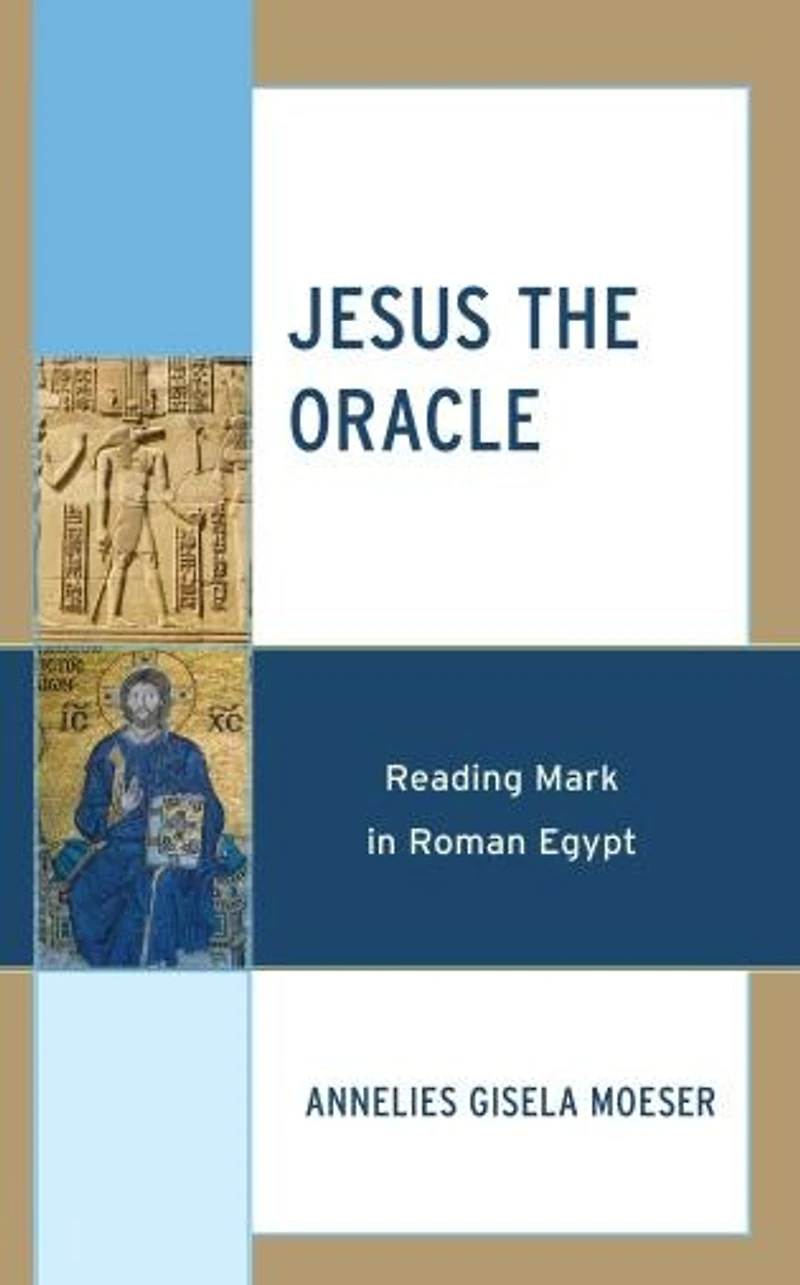
In Jesus the Oracle, Annelies Gisela Moeser reads Jesus's journey from Capernaum to Jerusalem in Mark's gospel through the cultural context of second/third century Roman Egypt. Moeser provides a rich description of the Egyptian practice of oracles, including processional oracles, to build a model with which to read Mark. This prism brings attention to descriptions of Jesus's supernatural knowledge and wisdom, such as in the story of the Rich Man (Mk 10:17-22). In contrast to Clement of Alexandria's homily on the Rich Man which counseled detachment from possessions, this reading from a non-elite perspective considers Jesus's advice to be more radical. This model of processional oracles highlights the importance of access to the divine, including by non-elite crowds, by persons with disabilities (e.g., in comparing Bartimaeus [Mk 10:46-52] with Gemellus Horion of Karanis [a town in Egypt]), and by children. Traditional Egyptian religion upheld the existing sociopolitical regime. However, Jesus's procession and proclamation of the basileia (reign) of G*d subverts the Roman world order and that of their local, elite allies.
In Jesus the Oracle, Annelies Gisela Moeser reads Jesus's journey from Capernaum to Jerusalem in Mark's gospel through the cultural context of second/third century Roman Egypt. Moeser provides a rich description of the Egyptian practice of oracles, including processional oracles, to build a model with which to read Mark. This prism brings attention to descriptions of Jesus's supernatural knowledge and wisdom, such as in the story of the Rich Man (Mk 10:17-22). In contrast to Clement of Alexandria's homily on the Rich Man which counseled detachment from possessions, this reading from a non-elite perspective considers Jesus's advice to be more radical. This model of processional oracles highlights the importance of access to the divine, including by non-elite crowds, by persons with disabilities (e.g., in comparing Bartimaeus [Mk 10:46-52] with Gemellus Horion of Karanis [a town in Egypt]), and by children. Traditional Egyptian religion upheld the existing sociopolitical regime. However, Jesus's procession and proclamation of the basileia (reign) of G*d subverts the Roman world order and that of their local, elite allies.
You May Also Like








More About Indigo at Erin Mills Town Centre
The largest book retailer in Canada also offers toys, music, home décor, gifts and lifestyle products. What's Inside...Books, Magazines, CD’s and DVD’s, Toys and Gifts, Home Accents, Electronics, Baby’s and Children’s Section, Bath and Body, Kitchen and Bedroom, Stationary Located outside in the exterior plaza.
5015 Glen Erin Dr, Mississauga, ON L5M 0R7, Canada
Find Indigo at Erin Mills Town Centre in Mississauga ON
Visit Indigo at Erin Mills Town Centre in Mississauga ON