

GIVE THE PERFECT GIFT
Erin Mills Town Centre Gift Cards are the perfect choice for your gift giving needs.Purchase gift cards at kiosks near the food court or centre court, at Guest Services, or click below to purchase online.PURCHASE HEREHome
Jubuntu: Giving and Belonging the Jewish Diaspora of Cape Town
Indigo
Loading Inventory...
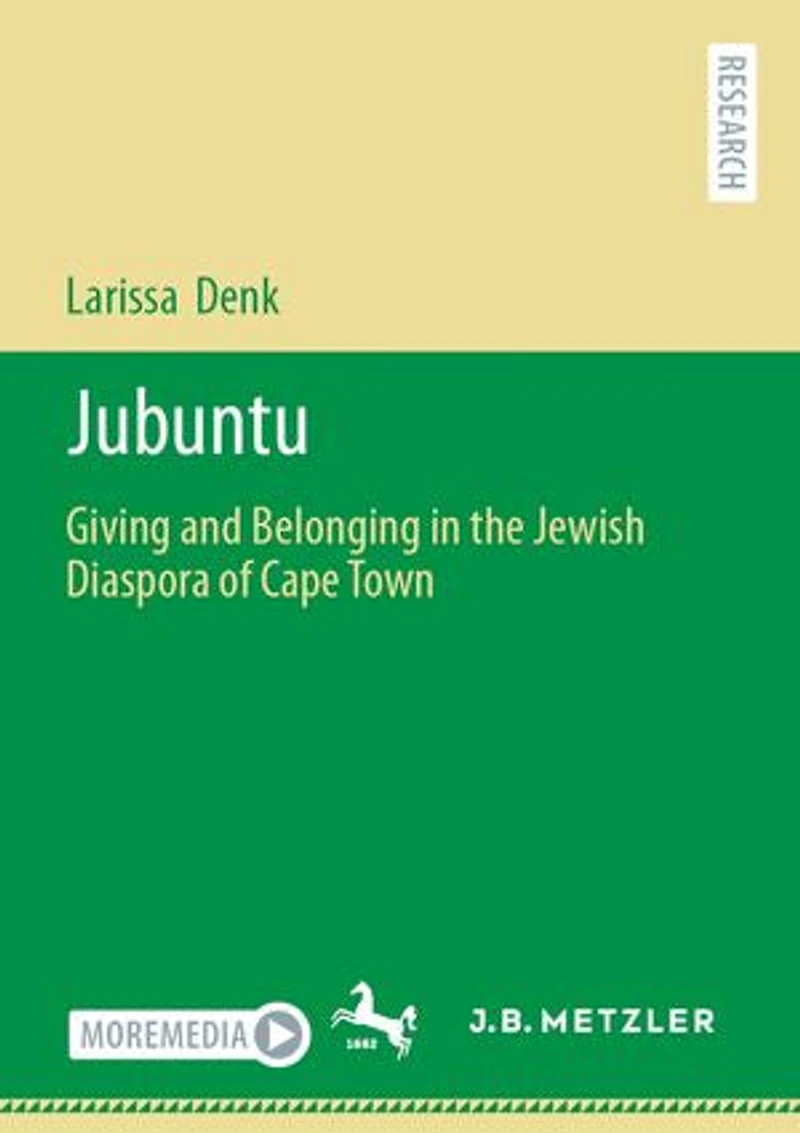
Jubuntu: Giving and Belonging the Jewish Diaspora of Cape Town
Current price: $116.09
Original price: $145.12

Jubuntu: Giving and Belonging the Jewish Diaspora of Cape Town
Current price: $116.09
Original price: $145.12
Loading Inventory...
Size: Kobo eBook
*Product information may vary - to confirm product availability, pricing, shipping and return information please contact Indigo
This study investigates the nexus between giving, belonging and Jewishness in South Africa. Charitable interactions are as much manifestations of inequalities as an expression of the giving individual's desire to alleviate them. Structuring aspects like class, race, economics, and post-apartheid politics are at the basis of this study. At the same time, though, it is individual agency reproducing inequalities and making sense of the ambiguity of the charitable interaction. In the context of the Jewish community in South Africa this analysis shows how the community's organisations, practices and concepts are connected to charitable giving. The author carved out three dimensions, which are entangled, reinforced, or at times contradict each other: Belonging, diaspora and charitable giving. Along with shared values and practices it relates to, volunteering or charitable giving connects one individual to a group, while possibly excluding another from it. Expressing belonging to the Jewish collective as a diaspora community, relates individuals or collectives to the triadic relationship between local diaspora group, host society and homeland and other local communities of the same diaspora.
This study investigates the nexus between giving, belonging and Jewishness in South Africa. Charitable interactions are as much manifestations of inequalities as an expression of the giving individual's desire to alleviate them. Structuring aspects like class, race, economics, and post-apartheid politics are at the basis of this study. At the same time, though, it is individual agency reproducing inequalities and making sense of the ambiguity of the charitable interaction. In the context of the Jewish community in South Africa this analysis shows how the community's organisations, practices and concepts are connected to charitable giving. The author carved out three dimensions, which are entangled, reinforced, or at times contradict each other: Belonging, diaspora and charitable giving. Along with shared values and practices it relates to, volunteering or charitable giving connects one individual to a group, while possibly excluding another from it. Expressing belonging to the Jewish collective as a diaspora community, relates individuals or collectives to the triadic relationship between local diaspora group, host society and homeland and other local communities of the same diaspora.
You May Also Like

















More About Indigo at Erin Mills Town Centre
The largest book retailer in Canada also offers toys, music, home décor, gifts and lifestyle products. What's Inside...Books, Magazines, CD’s and DVD’s, Toys and Gifts, Home Accents, Electronics, Baby’s and Children’s Section, Bath and Body, Kitchen and Bedroom, Stationary Located outside in the exterior plaza.
5015 Glen Erin Dr, Mississauga, ON L5M 0R7, Canada
Find Indigo at Erin Mills Town Centre in Mississauga ON
Visit Indigo at Erin Mills Town Centre in Mississauga ON